
2026 Top Pond Fountain Types for Global Buyers

The 2026 pond fountain market is becoming more specialized, shaped by aesthetics, energy use, noise control, and regional climate. Recent analyses from Grand View Research and Fortune Business Insights indicate steady growth across decorative water features, supported by hospitality projects, residential landscaping, and public-space investment. Their findings also point toward smarter controls, efficient pumps, and modular installation.

A pond fountain now needs to perform beyond visual appeal. Buyers may compare spray height, flow rate, motor efficiency, lighting compatibility, and maintenance access. The U.S. Environmental Protection Agency’s WaterSense research continues to emphasize efficient water management, although fountains usually recycle water rather than consume it continuously. The International Energy Agency’s efficiency outlook also reinforces a practical point: small motors can create meaningful operating costs when they run for long hours.

Details matter.

A hotel courtyard may require a quiet, low-splash aerating fountain. A large public pond may need stronger circulation, wind resistance, and remote monitoring. Solar models can reduce grid dependence, but cloudy weather and battery replacement remain real concerns. Stainless steel resists many outdoor conditions, yet water chemistry still demands attention. No single design fits every market.

This guide compares the leading 2026 pond fountain types for global buyers, including floating, aerating, decorative, solar, and smart-controlled systems. It considers performance, installation conditions, service support, and long-term value. Some recommendations remain imperfect, because local water quality and weather can defeat a product brochure. Careful testing is still essential.
2026 Top Pond Fountain Types for Global Buyers

Pond Fountain Basics and Key Design Categories

Pond fountains fall into three practical design categories: display, circulation, and aeration.

Display fountains use vertical or fan-shaped nozzles to create visible patterns. Their spray height, droplet size, and wind exposure affect appearance and water loss.
Circulation models move surface water across the pond, helping reduce stagnant corners.
Subsurface diffusers release air near the bottom and circulate water without a tall spray. They are less decorative, but can suit deeper ponds.

One detail is easy to miss: a striking spray does not guarantee even oxygen levels throughout the pond.

Match the design to pond depth, surface area, fish load, and available power. A small floating unit may look lively in a garden pond, yet struggle in a broad, sheltered basin.

EPA’s 2012 National Lakes Assessment sampled about 1,800 lakes, representing roughly 111,000 U.S. lakes, and identified nutrient and habitat pressures among its assessment concerns.

That context matters: fountains move water, but they do not remove accumulated nutrients or replace sound pond management.

Small details matter. Check the manufacturer’s stated flow rate and operating depth against measured site conditions; estimates alone can mislead.

A hybrid setup, combining a display fountain with a bottom diffuser, may address both appearance and circulation, though installation needs vary.

Not always. A quieter, lower spray can be the more dependable choice in windy locations.

Top Pond Fountain Types for Different Water Features

2026 Top Pond Fountain Types for Global Buyers

Top Pond Fountain Types for Different Water Features

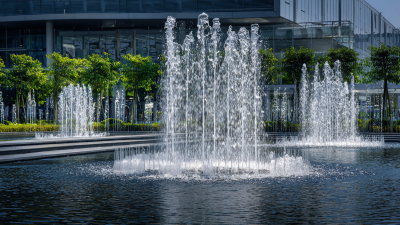
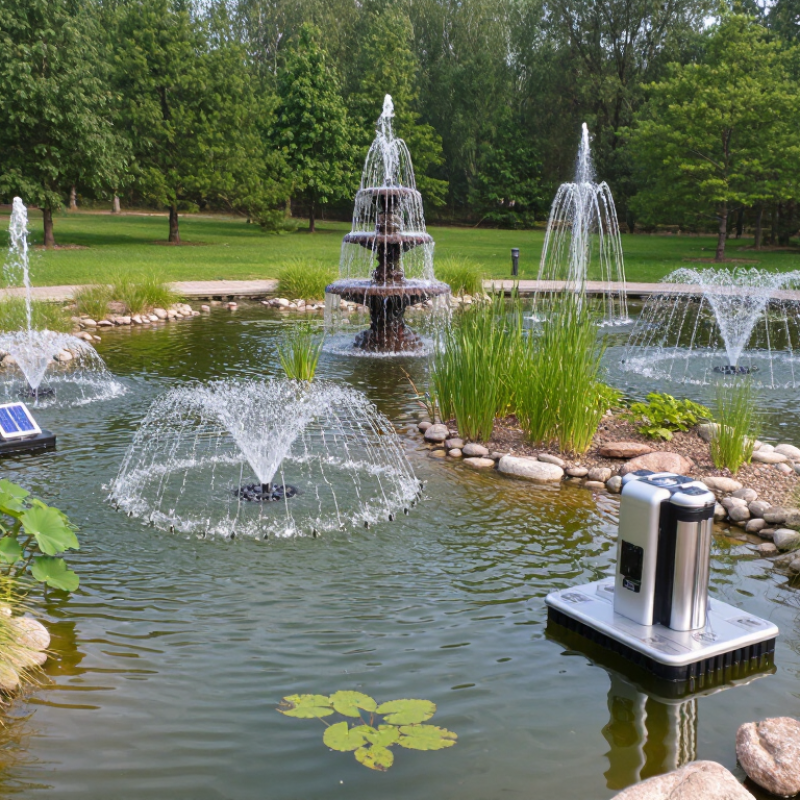
For a broad, deep pond, an aerating fountain can add visible spray while circulating water near the surface. Choose a nozzle pattern that suits the pond’s depth and footprint; an oversized spray may reach the banks or lose height in wind. For a wildlife pond, keep some quiet, planted areas. Movement is useful, but it is not a substitute for habitat.

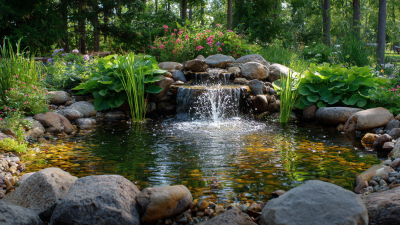
Shallow ornamental ponds often suit compact bubblers or low-spray nozzles. They create texture without throwing as much water beyond the basin. In narrow courtyards, a vertical plume can look striking, yet splash loss may become noticeable during hot, dry weather. Check water depth, pump flow, and replacement-water needs before selecting a model. Small details matter.

EPA’s 2022 National Lakes Assessment examined more than 1,000 U.S. lakes and tracked indicators including nutrients and biological condition. Although these are natural lakes, not decorative ponds, the findings underline why circulation alone cannot solve water-quality problems. Match the fountain to the feature: use aeration where oxygen circulation is needed, and prioritize gentle movement where plants or wildlife matter. One easy-to-miss point: nozzle height changes with pump output and operating conditions, so allow for adjustment rather than relying only on catalog images.

How Fountain Mechanisms, Spray Patterns, and Effects Differ

2026 Top Pond Fountain Types for Global Buyers
How Fountain Mechanisms, Spray Patterns, and Effects Differ

A fountain’s mechanism determines its installation, maintenance, and water movement. Submersible pumps sit underwater and suit compact ponds, while floating units simplify placement in deeper water. External pumps can be easier to access, but need protected pipework and a dry service area. Pump selection should match required flow and total head, not just the advertised height. The U.S. Department of Energy’s Improving Pumping System Performance sourcebook notes that pumping systems account for nearly 20% of global electricity demand. This is not a fountain-specific figure, but it underscores why efficient sizing matters.

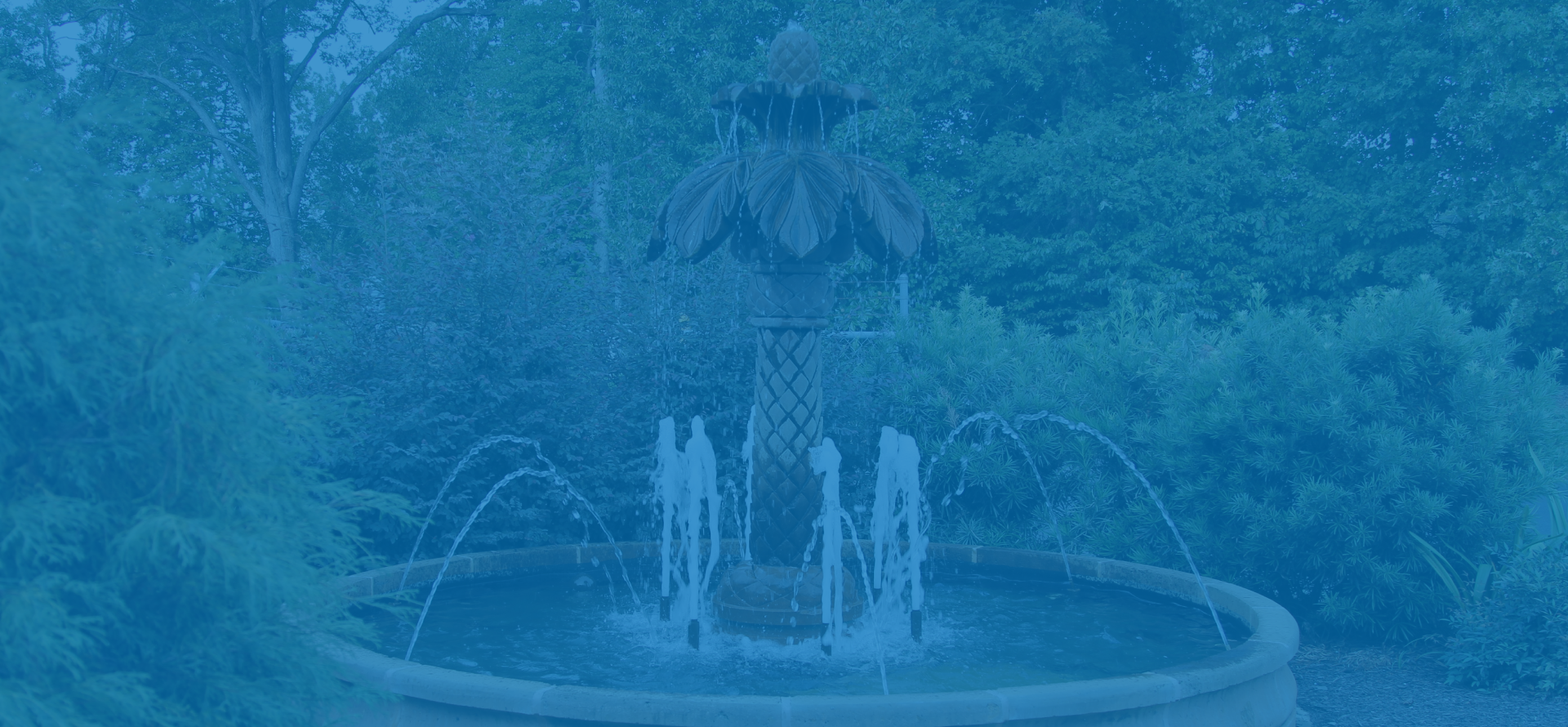
Spray patterns change both appearance and water loss. A single vertical jet creates a narrow, visible column; multi-nozzle sprays spread water wider and may need more flow. Bell-shaped patterns look calmer, while aerating sprays add movement and help mix surface water. Wind changes everything. Fine droplets can drift beyond the pond, so a high plume may mean more frequent top-ups in exposed sites. The U.S. Environmental Protection Agency says outdoor use makes up nearly 30% of household water use on average, and can be higher in dry regions. That statistic covers outdoor use broadly, not fountains specifically.

Before choosing, compare nozzle height, pond depth, prevailing wind, and pump access. A dramatic spray is not always the most practical one. It is easy to focus on the display and overlook splash-out; that trade-off deserves a second look.

Choosing the Right Pond Fountain for Global Applications

Choosing a pond fountain for a global site starts with the pond, not the spray pattern. Measure its length, width, and depth, and note shallow shelves, sloping edges, and nearby trees. A fountain sized for a large basin may overwhelm a compact garden. Too small, and its plume can disappear on a breezy afternoon. Small details matter.

Wind and climate shape the choice. In exposed locations, a low, broad pattern may remain more visible than a tall jet. In cold regions, plan for seasonal removal or winter storage; freezing water can damage pumps and fittings. Hot, dry conditions may require frequent water-level checks, since evaporation can expose the pump intake. These are trade-offs, not guarantees.

Check that the equipment matches the site’s electrical supply and outdoor conditions. Have a qualified installer verify voltage, frequency, and safe connections. Keep the pump accessible for cleaning, and consider how leaves, sediment, and algae affect upkeep. Match flow rate and nozzle height to pond depth, leaving room for splash without soaking paths or seating. For fish ponds, consider circulation and the fish’s oxygen needs rather than assuming a fountain alone will meet them. A striking display can still be inconvenient. If possible, test its position before making a permanent installation; the first placement is not always the best.

Installation, Maintenance, and Safety Requirements by Fountain Type

For 2026 pond projects, match the fountain type to pond depth, access, and water conditions. Floating fountains need adequate depth, secure mooring, and a protected power route. Submersible units need a stable base and clear intake screens. Aerating fountains should be sized for pond area and depth, not appearance alone. Small details matter.

Maintenance differs by design. Clean screens and inspect cables regularly; remove leaves before they restrict flow. In hard-water areas, mineral deposits can narrow nozzles, so check spray patterns and clean them as the manufacturer specifies. Solar units avoid a mains cable, but output can fall under cloud or shade. The U.S. Department of Energy’s Improving Pumping System Performance sourcebook estimates pumping systems use nearly 20% of global electricity; that industrial benchmark is not a pond-fountain average, but it supports careful pump sizing and avoiding needless oversizing.

Safety planning should include water access and electrical isolation. Use equipment rated for wet locations, protected circuits, and installation by a qualified professional familiar with local requirements. Keep cables secured and intake points away from people and wildlife. The CDC reports more than 4,000 unintentional drowning deaths annually in the United States. Barriers and clear supervision rules deserve the same attention as spray height. A common planning miss: checking the fountain only when it looks wrong. Inspect it on a schedule, even when the water appears calm.

Stay Connected

Sign up today to keep up with the newest information from one of the Southeast’s leading suppliers of fluid handling equipment!