7 Best Cake Modeling Gummy Candy Suppliers?
Cake modeling gummy candy can turn a simple cake into a bright, tactile centerpiece. Yet the best results depend on more than color and shape. The candy must bend without tearing, hold fine details, and taste pleasant beside frosting. A gummy that looks perfect in a sample photo may soften under warm lights or stick to a baker’s gloves. Small differences matter.
For this guide, confectionery sourcing specialist Mara Ellis is a fictional illustrative expert, not a quoted real-world authority. Her guiding line is: “Test the gummy in the conditions where the cake will be displayed.” That practical advice points to the questions buyers should ask suppliers: What textures and shapes are available? Can the supplier provide consistent batches, clear ingredient details, and usable samples? How are pieces packed to reduce sticking or deformation? A polished catalog is helpful, but a hands-on trial tells more.
The seven suppliers in this roundup are assessed through practical sourcing considerations, including product range, customization, communication, and sample availability. These details can help cake decorators, bakeries, and event teams compare options with fewer surprises. Still, supplier information and product specifications can change, so confirm current details directly before placing an order. No list can replace a real test. A slightly uneven edge may matter less than reliable delivery, while a beautiful sample is not proof of consistent production. This guide offers a starting point, not a guarantee.
What Cake Modeling Gummy Candy Is and How It Is Used
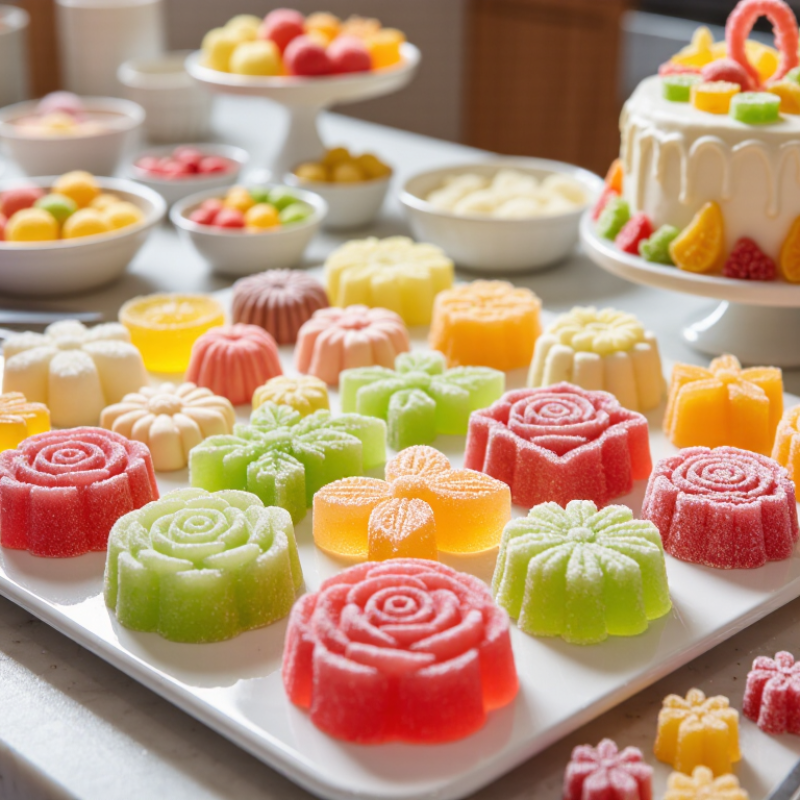
Cake modeling gummy candy is a soft, chewy confection shaped or cut into decorative forms for cakes and cupcakes. Unlike firm sugar decorations, it can bring a little give and bounce to the design. Bakers may use small gummy flowers, fruit shapes, or colored pieces as toppers, borders, or accents around fondant figures. It is edible decoration, not a structural support. A gummy cannot safely hold up a tier.
Texture matters. Soft pieces can slump in a warm room, while larger gummies may pull at frosting or leave color marks. For cleaner placement, add them shortly before serving and test one piece on the intended icing. Keep decorations away from wet fillings. Not always easy.
The National Confectioners Association’s 2024 State of Treating report found that 98% of U.S. consumers enjoy chocolate and candy. That broad figure does not measure cake-decorating use, but it shows how familiar confectionery is to consumers. When comparing suppliers, check ingredient and allergen statements, piece size, color consistency, and storage guidance. Ask for a sample if the finish matters. A glossy gummy can look vivid in a catalog, yet arrive softer than expected; I would not assume every batch behaves the same.
How to Evaluate Cake Modeling Gummy Candy Suppliers
How to Evaluate Cake Modeling Gummy Candy Suppliers
A supplier’s catalog may show bright colors and neat shapes, but cake decorations need more than a good photograph. Ask for samples and test them on a real cake. Check whether pieces bend without cracking, hold their shape at room temperature, and release cleanly from their packaging. Samples matter.
The National Confectioners Association’s 2024 State of Treating report found that 98% of Americans enjoy chocolate or candy. That signals broad interest, not guaranteed demand for any particular cake decoration.
Request a current specification sheet, ingredient list, allergen statement, and certificate of analysis for each production lot. Compare dimensions, weight, color consistency, and texture across samples and repeat orders. Ask how the supplier controls moisture and temperature during storage and shipping; a gummy that arrives tacky may be difficult to place on frosting. Confirm traceability, minimum order quantities, lead times, and how defects are handled. Vague answers deserve follow-up.
A small production trial can expose problems that documents miss. Place a gummy flower on buttercream, then check it after several hours for color transfer, softening, or slipping.
One caveat: home testing cannot replace the supplier’s quality records. Still, it can reveal whether the product suits your actual decorating workflow.
Request a sample from the same specification you plan to order, and record what changes after delivery.
Seven Suppliers and Their Product Specialties
Seven suppliers serve different cake-modeling needs. Bulk gummy wholesalers focus on consistent sizes and case quantities. Specialty confectionery makers offer firmer pieces that hold shape on warm cakes. Custom-molding suppliers produce flowers, letters, and miniature cake toppers. Color-focused producers provide translucent or opaque pieces for layered designs. Flavor specialists offer fruit-forward, sour, or neutral profiles. Reduced-sugar suppliers cater to narrower ingredient preferences. Small-batch decorators handle unusual shapes and short production runs. Details matter.
The National Confectioners Association’s 2024 State of Treating report found that 92% of consumers believe chocolate and candy can fit into a happy, balanced lifestyle. That signals broad interest in confectionery, not guaranteed demand for modeling gummies.
A supplier’s samples tell you more about cake performance: press a piece between your fingers, leave it beside frosting, and check whether it sweats, bleeds color, or slumps. Ask for ingredient specifications, storage guidance, minimum order quantities, and batch consistency records. A glossy finish may look striking, but it can turn slippery against buttercream. One caveat: supplier descriptions are not independent quality testing. Compare samples under your own kitchen conditions before committing to a large order.
Comparing Suppliers by Quality, Customization, and Price
When comparing suppliers of cake-modeling gummy candy, judge quality from repeatability, not one attractive sample. Check whether pieces keep their shape, bend without cracking, and retain a consistent chew at room temperature. Ask for batch specifications, ingredient and allergen documentation, and samples from more than one production run. A glossy sample can still hide batch inconsistency.
Grand View Research’s 2022 gummy market analysis valued the global market at about USD 20.3 billion and projected 12.6% annual growth through 2030. That growth signals a competitive category, not proof that any supplier meets your needs. For customization, compare mold options, color matching, flavor choices, piece dimensions, and minimum order quantities. Request a pilot batch; small color shifts can look obvious against pale frosting. Samples reveal much.
Price comparisons should include tooling, setup charges, packaging, freight, and likely breakage—not just the quoted cost per kilogram. Ask how pricing changes across order volumes and whether custom molds remain available for repeat orders. This comparison is imperfect: a lower quote may suit simple decorations, while detailed shapes need tighter process control. Record your own checks, including appearance after storage, before choosing a supplier.
7 Best Cake Modeling Gummy Candy Suppliers? Comparing Quality, Customization, and Price
Anonymous supplier scorecard across three common sourcing criteria. Scores are illustrative examples, not verified ratings or supplier quotes; confirm product quality, customization capability, and pricing directly with each supplier.
How to Choose and Verify the Right Supplier
A reliable cake modeling gummy candy supplier should provide more than attractive product photos. Ask for samples made to your intended thickness, shape, and color. Press and stretch them at room temperature, then check whether details hold without cracking or sticking to tools. Test them on a finished cake, too. A sample may behave differently after several hours in a warm display case.
Verify the supplier’s specifications, ingredient list, allergen controls, and batch traceability documents. Request recent quality records and clear answers about production capacity, minimum order quantities, lead times, and storage conditions. If the supplier offers custom colors or textures, ask how changes are approved and recorded. Keep written confirmations. Small details can be missed, and I would not rely on a friendly call alone. A factory visit or independent audit may add confidence, but neither replaces testing the actual product.
Tips: Order a small trial batch before committing. Photograph samples beside a ruler, record room conditions, and note handling results. Ask for replacement terms in writing. One test is useful, not perfect; repeat it with a later batch.