

10 Best Modern Log Cabin Kits for Global Buyers
Choosing a Modern Log Cabin kit is not simply a matter of comparing attractive photographs. Global buyers must examine timber quality, insulation, roof design, shipping protection, assembly guidance, and after-sales support. A cabin that performs well in Finland may need different wall systems in Australia, Canada, or a humid coastal region. Climate changes everything.
Log-home expert Rob Roy has written, “A log home is not just a structure; it is a relationship with the material.” That idea gives this guide a practical direction. The strongest kits balance natural beauty with careful engineering, clear documentation, and realistic construction requirements. Look for kiln-dried logs, precise milling, ventilated roof assemblies, generous eaves, and windows suited to local weather. Small details matter. A badly sealed corner can invite moisture, insects, and expensive repairs.
No kit is perfect.
This selection of the 10 Best Modern Log Cabin Kits for Global Buyers considers more than price or visual appeal. It examines floor-plan flexibility, insulation options, delivery conditions, installation complexity, supplier experience, and the availability of replacement parts. It also recognizes an uncomfortable truth: many advertised prices exclude foundations, utilities, interior finishes, permits, or regional taxes. Buyers should request a complete specification before paying a deposit. Independent technical advice is worthwhile, especially when the supplier operates overseas. The final choice should fit the land, the climate, the budget, and the people who will live there. Good design begins with honest questions.
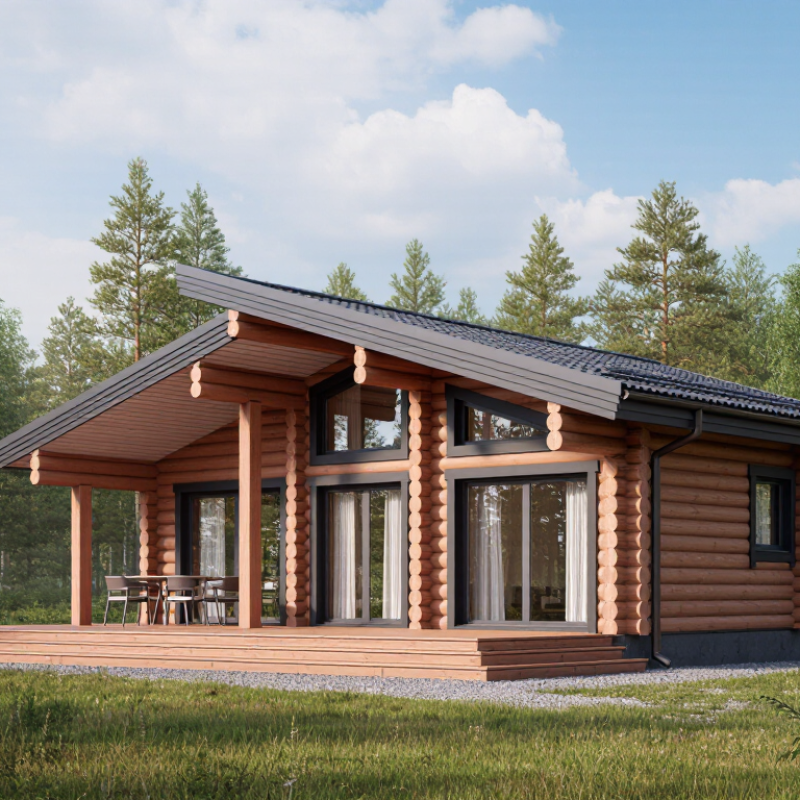
What Modern Log Cabin Kits Are and Who They Serve
Modern log cabin kits are pre-engineered packages for assembling a timber-based dwelling on a prepared site. They usually include wall logs, roof components, fasteners, doors, windows, and technical drawings. Some packages exclude foundations, insulation, plumbing, and electrical work. That difference matters. A “complete kit” is not always a finished home.
The global market is moving toward factory-made construction. Grand View Research valued the global modular construction market at about USD 91 billion in 2022 and projected strong growth through 2030. This supports interest in compact, transportable housing, but log kits remain a specialized segment. Buyers should examine timber moisture levels, thermal performance, snow-load calculations, and local building approval requirements. A cabin designed for a mild coastal climate may fail practical expectations in a cold mountain region.
These kits serve several groups. Rural homeowners may want a workshop, guest cabin, or year-round residence with a warm timber interior. Developers may use them for small lodges and remote rental properties. Owner-builders often choose kits because numbered components and pre-cut joints can reduce on-site guesswork. Yet labor is still real. A crane, weatherproof storage, skilled installation, and foundation inspection may be necessary. The International Energy Agency reports that buildings account for roughly 30% of global energy demand, making insulation and airtightness important, even for traditional-looking cabins. The romantic image can mislead. A beautiful log wall does not automatically deliver efficient living.
10 Best Modern Log Cabin Kits for Global Buyers - What Modern Log Cabin Kits Are and Who They Serve
A practical comparison of representative modern log cabin kit profiles by size, layout, construction format, and typical buyer.
| Rank | Kit Profile | Approx. Floor Area | Bedrooms | Bathrooms | Typical Footprint | Common Kit Format | Typical Kit-Only Cost* | Best Suited For |
|---|---|---|---|---|---|---|---|---|
| 1 | Compact Studio Cabin | 240–400 sq ft (22–37 m²) | 0–1 | 1 | 12 × 20 to 16 × 25 ft | Single-room shell, compact kitchen, bathroom partition, insulated wall package | US$35,000–80,000 | Solo owners, short-term rentals, garden offices, and low-impact sites |
| 2 | One-Bedroom Retreat | 450–650 sq ft (42–60 m²) | 1 | 1 | 16 × 28 to 20 × 32 ft | Open-plan living area, separate bedroom, bathroom, covered porch option | US$55,000–110,000 | Couples, vacation properties, and buyers seeking a compact primary home |
| 3 | Two-Bedroom Family Cabin | 750–1,050 sq ft (70–98 m²) | 2 | 1–2 | 20 × 36 to 24 × 44 ft | Pre-cut timber or panelized walls, full kitchen layout, utility room, porch option | US$85,000–165,000 | Small families, remote workers, and year-round residential use |
| 4 | Loft-Style Cabin | 600–900 sq ft (56–84 m²) | 1–2 | 1 | 18 × 30 to 24 × 36 ft | High ceiling, sleeping loft, open living zone, stair package, optional balcony | US$75,000–145,000 | Holiday accommodation, scenic plots, and buyers prioritizing vertical space |
| 5 | Three-Bedroom Modern Lodge | 1,100–1,500 sq ft (102–139 m²) | 3 | 2 | 24 × 44 to 30 × 52 ft | Engineered wall system, full-height glazing option, multiple bedrooms, larger kitchen | US$125,000–240,000 | Families, multi-season living, and higher-capacity vacation rentals |
| 6 | Two-Story Compact Home | 1,200–1,700 sq ft (111–158 m²) | 2–3 | 2 | 24 × 28 to 28 × 36 ft | Two-level structural package, compact footprint, upper bedrooms, enclosed stairwell | US$145,000–275,000 | Urban-edge plots, narrow sites, and buyers needing more space on less land |
| 7 | Accessible Single-Level Cabin | 850–1,300 sq ft (79–121 m²) | 1–2 | 1–2 | 24 × 36 to 28 × 48 ft | Step-free layout option, wide circulation paths, accessible bathroom planning | US$105,000–210,000 | Older buyers, multigenerational households, and mobility-conscious residents |
| 8 | Remote-Work Cabin | 700–1,100 sq ft (65–102 m²) | 1–2 | 1–2 | 20 × 32 to 24 × 44 ft | Dedicated office, improved insulation option, utility zone, daylight-focused openings | US$90,000–175,000 | Digital professionals, consultants, and hybrid workers in rural locations |
| 9 | Guest and Rental Duplex | 900–1,500 sq ft (84–139 m²) | 2–4 | 2 | 24 × 36 to 30 × 50 ft | Two independent living zones, shared structural package, separate entrances or kitchenette areas | US$135,000–260,000 | Hospitality operators, extended families, and owners seeking rental income |
| 10 | Large Premium Lodge | 1,800–2,600 sq ft (167–242 m²) | 3–4 | 2–3 | 30 × 50 to 36 × 60 ft | Heavy-timber or engineered frame, vaulted living room, large glazing, expanded porch | US$210,000–400,000 | Large families, luxury retreats, group accommodation, and premium rural residences |




Stay Connected
Sign up today to keep up with the newest information from one of the Southeast’s leading suppliers of fluid handling equipment!