10 Best Organic Spirulina Suppliers for Global Buyers
Organic Spirulina is gaining attention among food, supplement, and ingredient buyers seeking plant-based nutrition and traceable supply. Grand View Research’s 2023 Spirulina Market Size, Share & Trends Analysis estimated the global market at USD 463.3 million in 2022, with projected growth through 2030. Market estimates differ by research firm and product scope. They indicate demand, not supplier quality.
For global buyers, choosing a supplier requires more than comparing price per kilogram. Check current organic certificates against the destination market’s requirements, then request lot-specific certificates of analysis. Useful details include protein content, moisture, microbial results, and tests for heavy metals and microcystins. Ask how batches are cultivated, harvested, dried, and traced back to production. Small gaps matter. A certificate may cover a site or product range, not every shipment. The label alone is not enough.
This guide reviews ten Organic Spirulina suppliers through practical sourcing criteria: certification transparency, documentation, production capacity, export experience, and responsiveness. These indicators help narrow a shortlist; they do not replace independent audits or sample testing. Even polished brochures leave gaps. Buyers should confirm specifications in writing and compare samples under the same test methods before placing large orders. Supplier claims can change, and public information is sometimes incomplete. That uncertainty deserves attention, not guesswork.
What Organic Spirulina Is and How Its Global Supply Chain Works
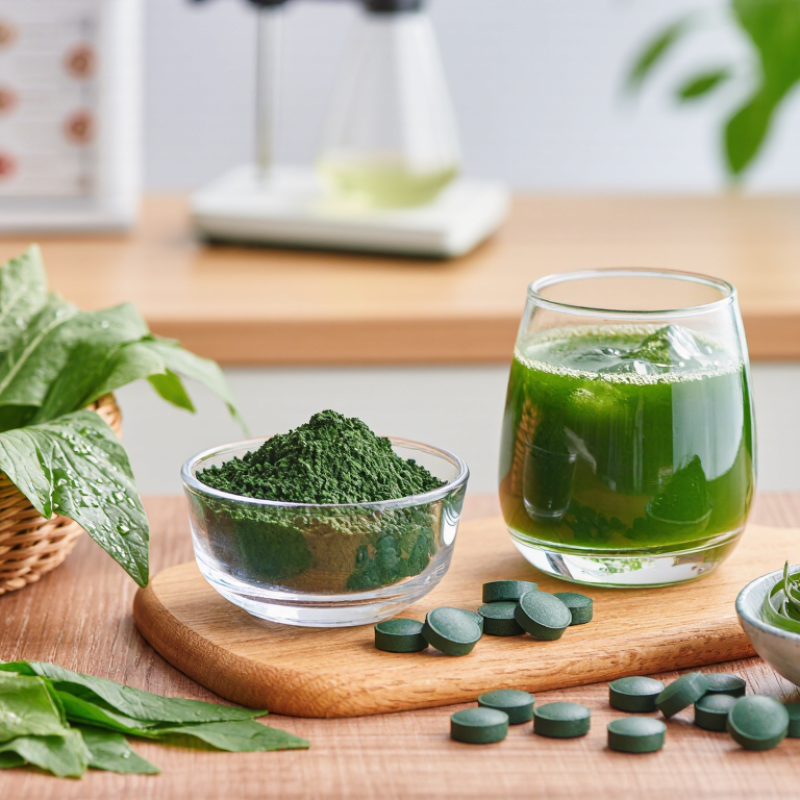
Organic spirulina is dried biomass from Arthrospira, a photosynthetic cyanobacterium often sold as blue-green algae. “Organic” describes verified production practices, not a different species. Certification rules vary by market, so buyers should check the certificate, its scope, and the production site. Small details matter.
The supply chain usually starts with starter cultures grown in controlled ponds or tanks. Producers monitor water quality, nutrients, temperature, and light; the vivid green culture is then filtered, washed, and dried. Milling and packing follow. Each step can affect color, odor, and nutrient stability. FAO’s The State of World Fisheries and Aquaculture 2024 reports 37.8 million tonnes of global algae production in 2022. That figure includes many algae types; it is not a spirulina output estimate.
Global sourcing also means verifying each handoff. Ask for batch-level identity, contaminant, and microbiological testing, alongside traceability records and a current organic certificate. IFOAM and FiBL’s The World of Organic Agriculture 2024 reports 96.4 million hectares of certified organic farmland in 2022, but that land-area measure does not count spirulina production. One gap remains: supplier documents may look complete while giving little detail about harvest and drying controls. Request those specifics, and compare them with the actual batch records.
How to Evaluate Organic Spirulina Suppliers
A dependable organic spirulina supplier should be able to show more than a certificate logo. Request the current organic certificate, then check that its scope covers spirulina, the processing site, and the relevant product form. Confirm the issuing body and certificate dates directly where possible. Details matter.
Ask for a recent, lot-specific certificate of analysis. It should identify the batch and report results for relevant contaminants, including heavy metals, microcystins, and microbiological indicators. Check whether an independent laboratory performed the tests and whether the methods are stated. A green sample proves little. Compare its color, smell, and powder texture with later production lots; small differences can reveal changes in drying or handling.
Traceability is just as important. Ask where the algae is cultivated, how water quality is monitored, and how harvested biomass is dried and packed. A clear supplier can explain each step without relying on vague assurances. Request a small sample and review packaging, moisture protection, and batch documents before discussing larger orders. I would still keep one reservation: paperwork can look complete while routine quality control remains uneven. Ask how complaints are investigated and whether corrective actions are documented. If answers are slow or inconsistent, pause and verify the details independently.
Ten Organic Spirulina Suppliers for Global Buyers
Choosing among ten organic spirulina suppliers for global buyers takes more than comparing prices. Start with the growing region, cultivation method, and current organic certificate. Ask whether the certificate covers the product and processing site you intend to buy from. Request a recent certificate of analysis for the specific lot, not a generic sample. It should identify key quality measures and relevant contaminant tests, with results traceable to an independent laboratory where available.
Look closely at drying and packaging. A supplier should explain how it limits moisture, heat exposure, and contamination between harvest and shipment. Ask for batch codes, storage guidance, and samples packed like a commercial order.
Small details matter. A vivid green powder can look reassuring, but appearance alone cannot verify purity or freshness.
I would also compare minimum order quantities, lead times, export documents, and how quickly staff answer technical questions. One imperfect point: supplier paperwork may be complete while communication remains vague. That is worth weighing.
For a fair comparison, record the same questions for all ten suppliers, then check that their answers match the documents and sample experience.
How to Verify Suppliers and Import Organic Spirulina Safely
Before selecting an organic spirulina supplier, verify its certification rather than relying on a label or logo. Ask for the current certificate and check that it covers the actual product, production site, and seller. Confirm the certifier and certificate status through the issuing organization. Request a batch-specific certificate of analysis showing identity, heavy metals, and microbiological results. The numbers should match the lot you plan to buy. Paperwork can look convincing; it is not proof by itself.
Ask for production dates, traceability records, and clear storage instructions. A small sample can help you assess color, odor, and how the powder handles, though appearance cannot establish purity. Before paying, agree on specifications, packaging, lead time, and what happens if results fail. For import, check the destination country’s current organic labeling, food import, and documentation requirements with a qualified customs professional. Confirm that shipping papers describe the goods accurately and that moisture-resistant packaging suits the route. Keep copies of approvals and lot records. Even careful checks leave some uncertainty, so start with a manageable order and review the delivered batch independently when practical.