7 Best Spectrum Stained Glass Sheets for Sale
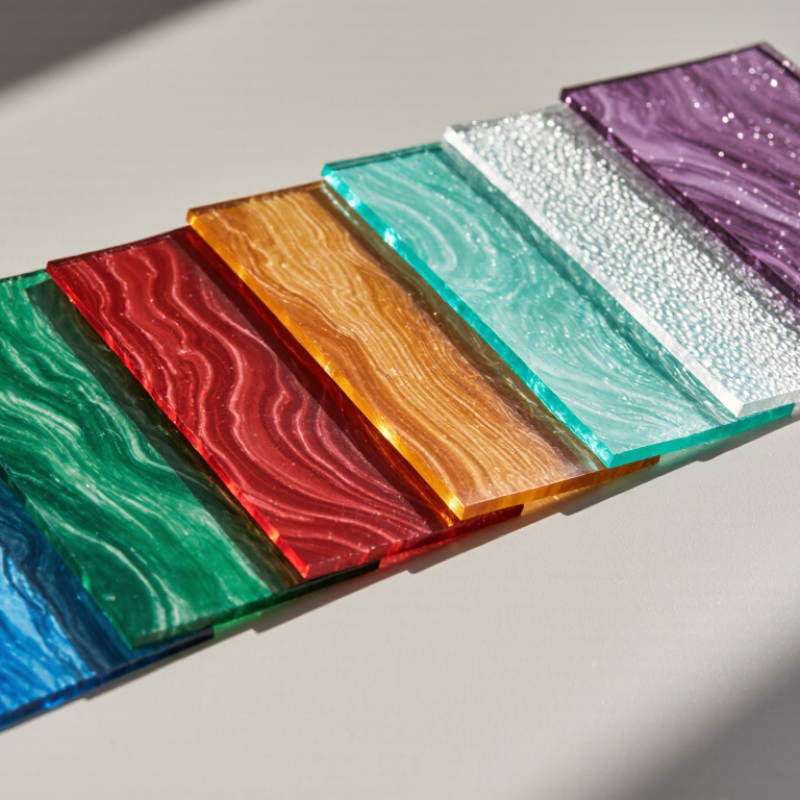
Choosing the right Spectrum Stained Glass Sheets starts with the project, not just the color name. A deep blue sheet may look calm in a sample, then turn almost black beside a bright window. Texture matters too. Wavy, rippled, or lightly mottled surfaces change how light moves through a finished panel. Small details. Big difference.
This guide compares seven options for sale, with practical points to check before buying: color, texture, sheet size, thickness, and product information. These details can help you match glass to a sunlit window, a small lamp, or a decorative panel. Look closely at photographs and descriptions, and confirm dimensions when available. Monitor settings can shift color, so an online image is only a starting point. Even a careful comparison has limits. Glass may vary slightly between sheets, and a texture that looks subtle on screen can feel stronger in person. That uncertainty is worth considering. The best choice is not always the brightest or most expensive one; it is the sheet that suits your design, cutting comfort, and available light. Before ordering, check the seller’s current specifications and return details. That simple step can prevent an avoidable mismatch.
Spectrum Stained Glass: Composition, Colors, and Common Uses
Stained glass sheets are usually made from silica-based glass, with mineral colorants added during production. Their exact composition varies, so two sheets with similar colors may transmit light differently. Some are transparent and clear; others contain streaks, ripples, or dense patches that soften the view beyond the glass. These variations are part of the material, not always flaws. Still, a sheet can look surprisingly different beside a window than under workshop lighting.
Color choice depends on how the finished piece will be seen. Warm amber and ruby shades can create a rich glow, while pale blue and green often feel calmer in daylight. Texture matters, too. A rippled surface scatters light across a small panel, but may obscure fine details in a larger design. Light changes everything. Hold a sample against a window before committing, and check several areas of the sheet for shifts in color or thickness. I still find photographs unreliable for judging subtle tones.
Common uses include decorative windows, cabinet inserts, lampshades, and small mosaic panels. For a lampshade, translucent glass can spread light without making the pattern disappear. In a privacy panel, more opaque or textured pieces may work better. Plan cuts around visible streaks and color transitions; otherwise, a carefully drawn design can feel unbalanced once assembled.
How to Choose Sheets for Color, Texture, and Project Needs
Choosing stained glass sheets starts with the light in the finished space. Hold samples against a window at the same time of day the panel will be used. A ruby sheet may glow in direct sun but look nearly brown in a shaded hallway. Compare color, opacity, and texture together; rippled glass can soften a view, while dense streaks may interrupt a small pattern. Keep a few offcuts. They reveal more than a catalogue photograph.
Project needs matter as much as appearance. For a small sun catcher, bold color and heavy texture can work well; a cabinet insert may need calmer tones and clearer sightlines. If the glass is part of a commercial interior, daylight choices also affect the room: the U.S. Energy Information Administration’s 2018 Commercial Buildings Energy Consumption Survey reports that lighting used about 17% of commercial-building electricity. That figure is not a glass-selection rule, but it supports testing how much daylight a design will admit. Ask suppliers for available sheet dimensions and note color variation between pieces. I once chose a vivid sample that read differently in the completed panel. A useful reminder. Test before committing.
Seven Spectrum Stained Glass Sheets to Consider
Spectrum stained glass sheets come in varied colors and textures, so compare them under natural light before choosing. Clear ripple glass bends light into lively lines and suits windows or small panels. Pale blue cathedral glass gives a cool, even wash of color. Amber cathedral glass brings warmth to borders and lampshades. Opalescent white softens bright daylight, though it can hide small details behind it. Wispy green glass adds gentle variation without a sharp pattern. Streaky red creates a stronger focal point. Hammered clear glass scatters reflections and adds texture while keeping the design mostly transparent.
Tips: Ask for a small sample when possible. Hold it near a window, then check the color indoors. Texture can make cuts less predictable, so allow extra material for practice and breakage.
Before buying, check sheet dimensions, thickness, and whether the surface suits your project. Colors may look different in photographs than in person. That part is easy to overlook. If several sheets will sit side by side, compare them together; subtle shifts between batches can change the finished panel. Keep a simple sketch with each color marked, but leave room to adjust once the glass is on your workbench.
Comparing the Sheets by Appearance, Workability, and Use
Choosing stained-glass sheets means balancing appearance, cutting behavior, and the finished panel’s purpose. Cathedral glass passes clear light through a room; opalescent sheets soften it and obscure background details. Wispy and streaky patterns add movement, but dense color can muddy small designs. Light changes everything. View samples against daylight and a dark backing, because one sheet can look surprisingly different under each condition. Test cuts reveal more than a showroom glance.
Workability depends on thickness consistency, surface texture, and how cleanly a score runs. Textured sheets may need careful layout and extra grinding. The U.S. Geological Survey’s Mineral Commodity Summaries 2024 estimates U.S. industrial sand and gravel production at about 120 million tons in 2023. This signals the scale of a raw material used in glassmaking, not the quality of any craft sheet. For lamps, consider color stability and use a suitable light source; for suncatchers, weigh edge contrast against the finished piece’s weight. For windows, check opacity from both sides and test your planned line spacing. I still overvalue vivid color sometimes. A small mock-up can expose that mistake.
7 Best Spectrum Stained Glass Sheets for Sale — Comparing Appearance, Workability, and Use
Ratings are a qualitative guide on a 1–5 scale, not laboratory measurements or product specifications. Cutting and foiling results can vary with glass thickness, tools, and technique; test a sample before starting a project.
Where to Buy Spectrum Sheets and What to Check Before Purchase
For Spectrum stained glass sheets, start with specialist art-glass shops, local stained-glass suppliers, and established online retailers. A local shop lets you tilt a sheet toward the window and see how its color changes. Online, look for clear return terms and photographs of the actual sheet, not just a sample image. Ask for a close-up.
Before buying, confirm the sheet’s dimensions, thickness, and texture. Check the listing for chips, hairline cracks, bubbles, or uneven edges, especially if the glass will be shipped. Colors can shift between production runs, so ask whether several sheets come from the same batch. A red that looks even on screen may appear darker near a window.
Consider how you plan to cut and use the glass. Strong texture can make detailed cuts less predictable, and opaque or translucent sheets behave differently in a finished panel. If possible, compare a sample with your pattern and the light where the piece will hang. Not just the label. Seller descriptions can be incomplete; I would verify any unclear detail in writing before paying.