2026 How to Choose the Best Wire Mesh Weaving Machine?
Choosing the right wire mesh weaving machine is crucial for your production needs. With numerous options available, it can be overwhelming. The features and specifications often vary, leading to confusion.
You might consider factors like machine type and production volume. Different applications require different weaving techniques. Ensure you assess your requirements carefully. A wire mesh weaving machine should match your intended use.
Quality and durability are also key points to evaluate. Machines vary in their ability to create fine or coarse meshes. Reflect on how often you will use the machine and the types of materials involved. This choice can impact your efficiency and profits significantly.
Types of Wire Mesh Weaving Machines Available in the Market
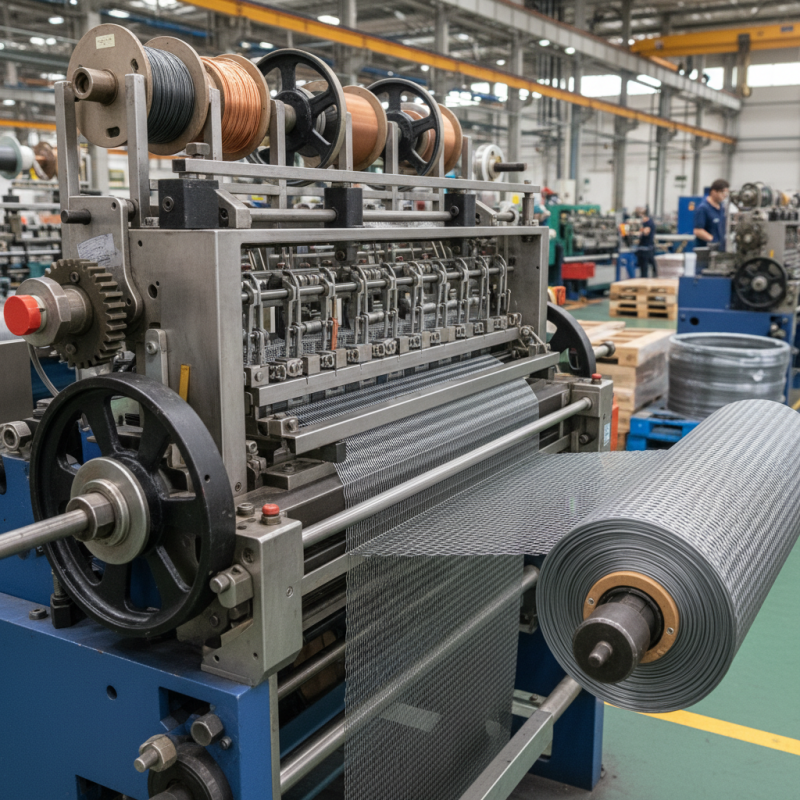
When exploring wire mesh weaving machines, it's essential to understand the types available in the market. There are various machines designed for different mesh types. Some machines focus on producing welded wire mesh, ideal for construction and fencing projects. Others specialize in woven wire mesh, commonly used in filtration and screening applications. Each type has unique features and capabilities, making it crucial to assess your specific needs.
The automation level is another factor to consider. Manual machines offer simplicity, yet they require more labor. Automated machines can increase efficiency, but they come with higher upfront costs. Assessing the production volume can help in making the right choice. Do you need a machine for low-volume tasks or high productivity?
It may also be worth reflecting on your operational space. Some machines require significant room for installation and operation. Evaluating your workspace will prevent future complications. Remember, the right choice may not always be the most advanced. Sometimes, a simple machine that meets your needs effectively can be the better option.
2026 How to Choose the Best Wire Mesh Weaving Machine?
| Machine Type | Wire Diameter (mm) | Mesh Size (mm) | Production Capacity (kg/h) | Power Consumption (kW) | Typical Applications |
| Automatic Loom | 1.0 - 4.0 | 5 - 100 | 200 | 3.5 | Construction, Fencing |
| Semi-Automatic Loom | 0.5 - 3.0 | 3 - 50 | 150 | 2.5 | Industrial Applications |
| Manual Loom | 0.2 - 2.0 | 1 - 30 | 50 | 1.0 | Artisanal Crafts |
| Coiling Machine | 0.8 - 5.0 | 10 - 200 | 300 | 4.0 | Wire Products |
Key Features to Consider When Selecting a Wire Mesh Weaving Machine
When selecting a wire mesh weaving machine, several key features deserve attention. One of the most critical aspects is the machine's weaving speed. Reports indicate that high-speed machines can increase production efficiency by 30%. This efficiency is vital for meeting growing market demands. The choice of materials is equally crucial. A machine compatible with various wire diameters offers flexibility, allowing businesses to cater to diverse customer needs.
Another important factor is the ease of operation. User-friendly interfaces can significantly reduce training times. Machines equipped with automated controls can minimize errors and enhance product quality. Moreover, consider the machine's maintenance requirements. Regular downtime for repairs can lead to considerable losses. A machine that is durable yet easy to maintain can be a game-changer for many manufacturers. Industry statistics suggest that 20% of manufacturers face unplanned downtime due to maintenance issues, highlighting the importance of durability.
Lastly, pay attention to the machine's energy efficiency. Devices that consume less power not only help reduce operational costs but also align with sustainability goals. In a market that is increasingly environmentally conscious, choosing energy-efficient machinery can be a strategic advantage. Reflecting on these aspects can lead to better decision-making, ultimately enhancing productivity in wire mesh production.
2026 Wire Mesh Weaving Machine Selection Criteria
Assessing Production Capacity and Efficiency of Weaving Machines
When selecting a wire mesh weaving machine, production capacity and efficiency are key factors. Different machines offer varying outputs. For instance, some can weave up to 200 meters of mesh per hour, while others may only reach 80 meters. This significant difference impacts productivity. Efficiency is equally important. Machines that operate smoothly minimize downtimes and increase overall output. A study found that well-maintained machines can boost efficiency by 30%.
Tips: Consider the type of material you will be using. Some machines perform better with specific materials. Research specs and user reviews. Look for insights on common issues and resolutions. This will help you avoid potential pitfalls.
Production capacity isn't just about speed; it's about consistency too. A machine that weaves quickly but regularly jams is not efficient. Maintenance plays a role in consistent output. Machines require regular checks. This prevents unplanned breakdowns. Remember, a reliable machine is an investment in your business growth.
Tips: Track the machine's performance over time. Document any trends in production. Analyze the data to determine if adjustments are needed. Each improvement can lead to better efficiency and higher profits.
Understanding Material Compatibility for Wire Mesh Weaving
Selecting the right wire mesh weaving machine involves understanding the materials you’ll work with. Compatibility is key. For instance, if you plan to weave stainless steel, ensure your machine can handle its specific requirements. A report from the International Wire and Cable Manufacturers Association noted that over 40% of production issues stem from material mismatch. This highlights the importance of knowing your materials well.
When evaluating machines, consider the gauge of wire. Thicker wires require robust machines. However, finer wires necessitate precision. It's crucial to know the range your chosen machine can handle. Also, think about the weave patterns compatible with your materials. Different patterns will affect the overall strength and application of the mesh.
Tips: Always test your wire with a machine demo. Make mock samples before full-scale production. This prevents costly mistakes. Consult machine specifications to ensure optimal performance. A mismatched wire can seriously derail your project. Finally, research the durability of your chosen material and its suitability for your intended use. Not all materials perform equally under pressure.
Evaluating Cost vs. Quality in Wire Mesh Weaving Machine Selection
When selecting a wire mesh weaving machine, balancing cost and quality is crucial. According to industry reports, investing in higher-quality machines can lead to a 20% increase in production efficiency. Equipment that is built to last can reduce long-term operational costs. However, these machines often come with a higher initial price tag. Striking the right balance is fundamental for profitability.
Tip: Assess your production needs first. If your demand fluctuates, it may be wiser to invest in versatile machines rather than the most expensive options.
Quality does not only involve material. Advanced features often enhance usability and automation. Many manufacturers report that machines with user-friendly interfaces reduce operator training time by 30%. This directly impacts labor costs, an often-overlooked factor when evaluating total cost.
Tip: Consider future scalability. Opt for machines that can handle differing mesh sizes and materials. This flexibility can save money and resources as your production needs change.