Why Choose Home EV Wallbox for Your Electric Vehicle Charging?
As the demand for electric vehicles (EVs) continues to grow, more drivers are seeking convenient and efficient charging solutions. One option gaining popularity is the Home Ev Wallbox. This device offers a reliable way to charge your vehicle right at home. It can significantly reduce charging time compared to standard outlets. Many EV owners appreciate the ease of having their own charging station.
However, not all Home EV Wallboxes are created equal. Some models may lack advanced features or compatibility with various EV brands. It's essential to evaluate your needs and the specifications of each Wallbox. A thorough understanding of your charging habits will help you make an informed decision. This could involve considering charging speed, installation options, and safety features.
Ultimately, investing in a Home EV Wallbox enhances your electric vehicle ownership experience. It provides flexibility and peace of mind, knowing your car is always ready to go. Yet, weigh the pros and cons carefully. It's a significant investment that may or may not align with your lifestyle. Take the time to reflect on your options before making a choice.
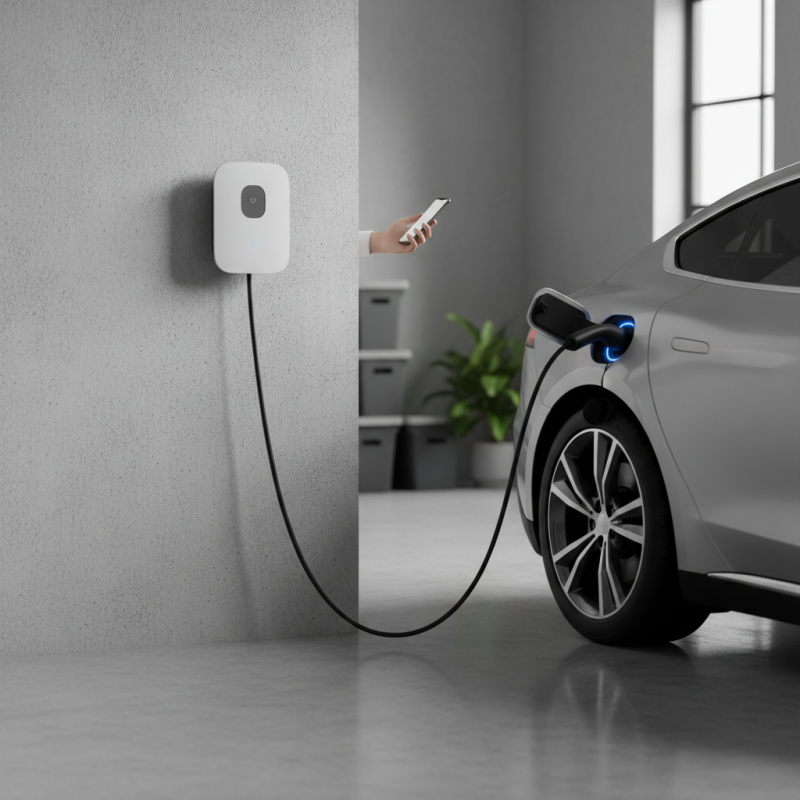
Benefits of Home EV Wallbox for Electric Vehicle Owners
Home EV wallboxes are becoming increasingly popular among electric vehicle (EV) owners. One major benefit of installing a home wallbox is convenience. According to a report by the International Energy Agency, over 70% of EV owners charge their vehicles at home. This allows them to avoid long charging times at public stations. Instead, they can simply plug in their vehicles overnight, ensuring a full battery in the morning.
Cost savings are another significant advantage. A study from the U.S. Department of Energy indicated that charging at home can be up to 60% cheaper than using public charging stations. Additionally, home charging can be timed to take advantage of off-peak electricity rates. This helps further reduce overall energy costs. However, the initial investment for a home EV wallbox can be considerable. Not all homeowners may be aware of the potential savings and benefits an EV wallbox brings.
Charging speed is also important to consider. Home wallboxes typically provide faster charging than standard outlets, delivering around 7 to 22 kW. This means that even if you come home late, you will have a substantially faster charging experience. However, not all homes are equipped to handle this level of power, sometimes requiring electrical upgrades. This can lead to unexpected expenses that some homeowners may not be prepared for.
In conclusion, choosing a home EV wallbox presents numerous benefits for electric vehicle owners, but it requires thoughtful consideration of costs,
convenience, and infrastructure suitability.
Comparison: Home Wallbox vs. Public Charging Stations
When choosing between home EV wallboxes and public charging stations, it's essential to consider efficiency and practicality. A report by the International Energy Agency (IEA) indicates that home charging accounts for over 80% of electric vehicle (EV) charging sessions. This preference highlights the convenience of charging at home, particularly for daily commuters.
Public charging stations offer a quick solution, but they can often be crowded or non-functional. It’s not uncommon to find long wait times at public locations, especially during peak hours. In contrast, home wallboxes provide consistent availability, which translates to time savings. According to a study by the U.S. Department of Energy, home charging typically takes four to six hours, significantly shortening refueling times compared to public stations.
Yet, home charging isn't without its flaws. Not all homeowners have the ability to install a wallbox due to lack of infrastructure. Also, the initial installation cost can be a barrier. Public stations can sometimes be more accessible, especially for renters or those without a private parking space. Balancing convenience and cost will depend on individual circumstances and needs, creating a nuanced decision for EV owners.
Installation Process and Requirements for Home EV Wallbox
Installing a home EV wallbox involves several key steps and requirements that ensure efficient charging for electric vehicles. The first step is assessing your electrical system. Many homes require an upgrade to accommodate the wallbox. According to industry reports, about 30% of homes need a panel upgrade to handle the additional load.
Next, choose a suitable location for the installation. Ideally, the wallbox should be mounted close to where the vehicle is parked. Accessibility and weather protection are crucial factors. For example, wallboxes installed in garages can avoid exposure to elements, while outdoor installations require weatherproof units. It's important to comply with local regulations and obtain necessary permits.
The installation itself typically requires a licensed electrician. This ensures that wiring meets safety codes. Industry guidelines recommend using a Ground Fault Circuit Interrupter (GFCI) to protect against electrical hazards. Don't forget to consider the charging speed; some wallboxes can deliver up to 22 kW, allowing you to charge an EV overnight. However, not every home will support such high power. It's essential to consult with a professional to find the best solution tailored to your needs.
Cost Analysis: Long-Term Savings with Home Charging Solutions
Home EV wallboxes provide a practical charging solution, significantly impacting long-term savings. Research shows that homeowners can enjoy an average electricity cost of $0.12 per kWh. In contrast, public charging rates can soar to $0.40 per kWh or more. This disparity highlights the financial advantages of home charging. Over the lifespan of an electric vehicle, these savings can accumulate to several thousand dollars.
Another aspect to consider is the convenience of home charging. A study by the International Energy Agency reveals that up to 80% of EV charging occurs at home. However, while the surface benefits seem clear, the initial cost of installation can deter potential users. Installing a home wallbox may range from $500 to $2,000. Homeowners must also account for potential electrical upgrades.
**Tip:** Look into local incentives that may help offset installation costs. These programs can potentially ease the financial burden of transitioning to home charging.
The value of time saved by avoiding public stations is often overlooked. Waiting for a charger at a public station may take up to 30 minutes, disrupting your routine. In contrast, a home wallbox allows you to utilize downtime effectively. Yet, users must assess their daily charging needs critically. Each home is unique, and understanding your energy consumption patterns can maximize your savings.
Future Trends in Home EV Charging Technology and Infrastructure
The home electric vehicle (EV) charging market is evolving rapidly. Innovations in charging technology promise faster charging times and more efficient energy use. Home wallboxes are becoming more compact and user-friendly, making them accessible for most households.
One trend driving this change is the integration of smart technology. Many charging stations now feature apps that allow users to monitor charging status and energy consumption in real-time. This transparency empowers homeowners to optimize their energy use, potentially lowering their electric bills. However, not all systems are user-friendly, which can lead to frustration for some.
In addition, renewable energy sources are influencing charging infrastructure. As solar panels and home batteries become more common, homeowners can charge their EVs using clean energy. This shift can help reduce the reliance on fossil fuels. Yet, the initial costs and technological complexities can deter some users, showing that there’s still room for improvement. The future promises advancements, but accessibility remains a challenge for widespread adoption.