How to Choose the Best Fountain Pump for Your Garden Pond
Creating a tranquil oasis in your garden involves more than just a beautifully landscaped pond; the right fountain pump plays a crucial role in achieving that serene environment. A fountain pump not only circulates water, preventing stagnation and maintaining clear water, but it also enhances the visual appeal of your garden pond through the dynamic movement of water. With various options available on the market, choosing the best fountain pump can seem overwhelming. This guide will help you navigate the essential factors to consider when selecting a pump that meets your pond's unique requirements.
When looking for the ideal fountain pump, it is important to evaluate aspects such as flow rate, energy efficiency, and compatibility with your pond's size and design. Understanding these key features will empower you to make an informed decision, ensuring that your fountain pump meets both your aesthetic and functional needs. Whether you seek a gentle trickle or a powerful spray, the right pump can transform your garden pond into a captivating focal point, while promoting a healthy aquatic ecosystem. By carefully assessing your options, you can enjoy the harmonious sounds and sights of water in your own backyard for years to come.
Understanding the Role of Fountain Pumps in Garden Ponds
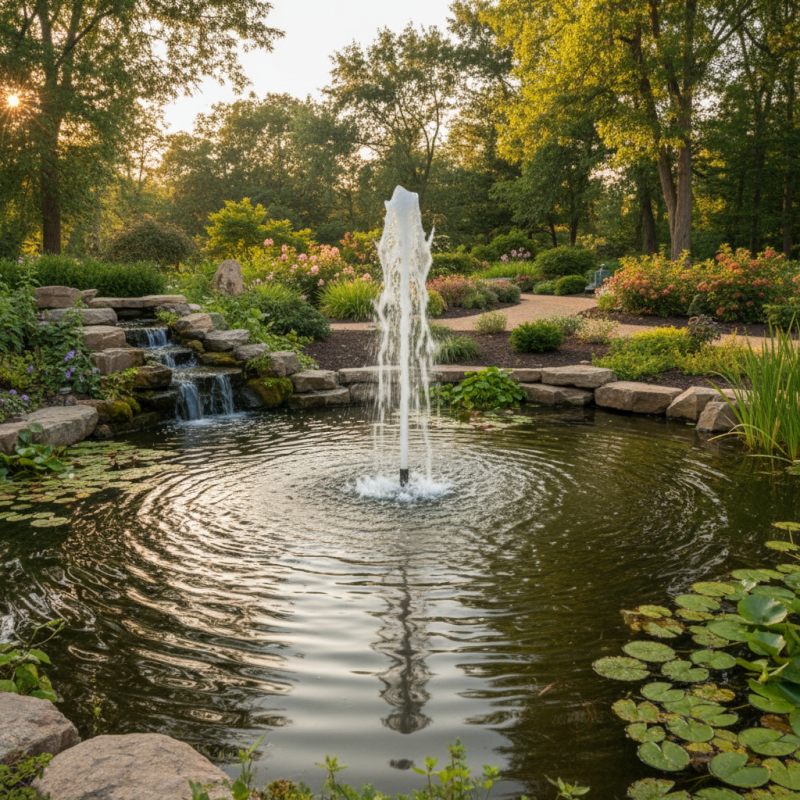
Fountain pumps play a crucial role in enhancing the aesthetics and ecological balance of garden ponds. These pumps are essential for circulating water, which helps to keep it oxygenated and reduces algae growth. A study by the Water Gardening Association revealed that properly maintained pond water, facilitated by efficient pumps, can reduce algae proliferation by up to 50%, creating a healthier environment for aquatic life. Additionally, fountain pumps contribute to the water's visual appeal by generating dynamic water features, which attract birds and other wildlife, thereby enriching the pond ecosystem.
When selecting a fountain pump, it’s important to consider the pump's flow rate, which is typically measured in gallons per hour (GPH). Research indicates that a flow rate of 100 GPH for every foot of height is ideal for moderately sized fountains; this ensures that water is adequately circulated and maintained. Furthermore, choosing the right size and type of pump can prevent common issues such as flooding or inadequate performance. According to recent data from the National Association of Realtors, properties with well-maintained water features can see a significant increase in market value, thus emphasizing the importance of selecting a fountain pump that meets both aesthetic and functional needs in garden pond design.
How to Choose the Best Fountain Pump for Your Garden Pond
| Pump Model |
Flow Rate (GPH) |
Power Consumption (W) |
Max Head (ft) |
Ideal Pond Size (gallons) |
| Model A |
600 |
70 |
8 |
200-600 |
| Model B |
800 |
85 |
10 |
300-800 |
| Model C |
1000 |
100 |
12 |
400-1000 |
| Model D |
1200 |
120 |
14 |
600-1200 |
| Model E |
1500 |
150 |
16 |
800-1500 |
Factors to Consider When Selecting a Fountain Pump
When selecting a fountain pump for your garden pond, a few critical factors come into play that can significantly influence performance and sustainability. Firstly, the pump's flow rate is essential; it determines how much water is circulated, which is vital for maintaining the health of aquatic life. Industry standards suggest that a pump should move at least half of the pond volume per hour. For instance, a 1000-gallon pond would ideally require a pump with a flow rate of 500 gallons per hour. Under or overestimating this can lead to issues such as stagnant water or excessive erosion.
Another crucial factor to consider is the pump's head height, which refers to the vertical distance the water needs to travel. Most pumps are designed to work efficiently within a certain head height range. Exceeding this height can diminish the pump's efficiency and longevity. According to industry research, a pump’s efficiency drops significantly beyond 75% of its maximum rated head. Additionally, it’s essential to evaluate the pump's energy consumption; energy-efficient models can save you money in the long run, with some high-efficiency pumps offering up to 50% energy savings compared to traditional options. By factoring in these aspects—flow rate, head height, and energy efficiency—you can ensure a well-functioning fountain pump that enhances your garden pond while supporting a healthy ecosystem.
Types of Fountain Pumps and Their Applications
When choosing a fountain pump for your garden pond, it is essential to understand the various types available and their specific applications.
Submersible pumps are among the most popular options, as they are designed to be submerged in water, providing efficient circulation and aeration. These pumps are ideal for smaller ponds and fountains, where space can be limited. Their ease of installation and operation makes them a favored choice for gardeners looking to create a peaceful ambiance with minimal hassle.
Another type of fountain pump is the external pump, which is typically placed outside of the pond. These pumps are more powerful than their submersible counterparts and are suitable for larger bodies of water. They are often used in applications that require higher water flow rates or head heights, making them great for creating dramatic water features. External pumps also tend to have easier maintenance, as they are accessible without the need to drain the pond.
Solar-powered pumps offer an environmentally friendly option for those looking to minimize energy consumption. These pumps harness solar energy, making them ideal for locations where electrical sources are unavailable or impractical. While they may not provide as strong a flow rate as traditional powered pumps, they are well-suited for smaller ponds and can add a charming element to garden aesthetics. Understanding the differences between these types of fountain pumps will help you select the best option for your specific garden pond needs.
Calculating the Required Flow Rate for Your Pond
When selecting the best fountain pump for your garden pond, calculating the required flow rate is essential for ensuring optimal water movement and oxygenation. The flow rate necessary for your pond largely depends on its size and the type of aquatic life you're supporting. For example, the general guideline suggests aiming for a flow rate that circulates the entire volume of your pond once every two hours. If you have a 1,000-gallon pond, this would require a pump with a flow rate of 500 gallons per hour (GPH). The Water Quality Association emphasizes that maintaining this circulation can help in promoting a healthy ecosystem by preventing stagnation and algae growth.
Tips: Always measure your pond's dimensions accurately to ascertain its volume. If your pond is irregularly shaped, consider breaking it down into smaller sections to calculate the total volume more effectively. Additionally, consider the head height, which refers to the vertical distance the pump must push water to its discharge point; a higher head height will reduce the effective flow rate.
When planning, also consider the specific requirements of your plants and fish. Some species thrive in a gentle flow, while others benefit from stronger currents. The University of Florida's IFAS Extension highlights that a good balance needs to be struck to maintain a comfortable environment for all aquatic inhabitants. Therefore, it’s advisable to have a pump that allows for adjustable flow settings. This versatility lets you tailor the water movement based on seasonal changes and the needs of your pond’s ecosystem.
Maintenance Tips for Keeping Your Fountain Pump Running Smoothly
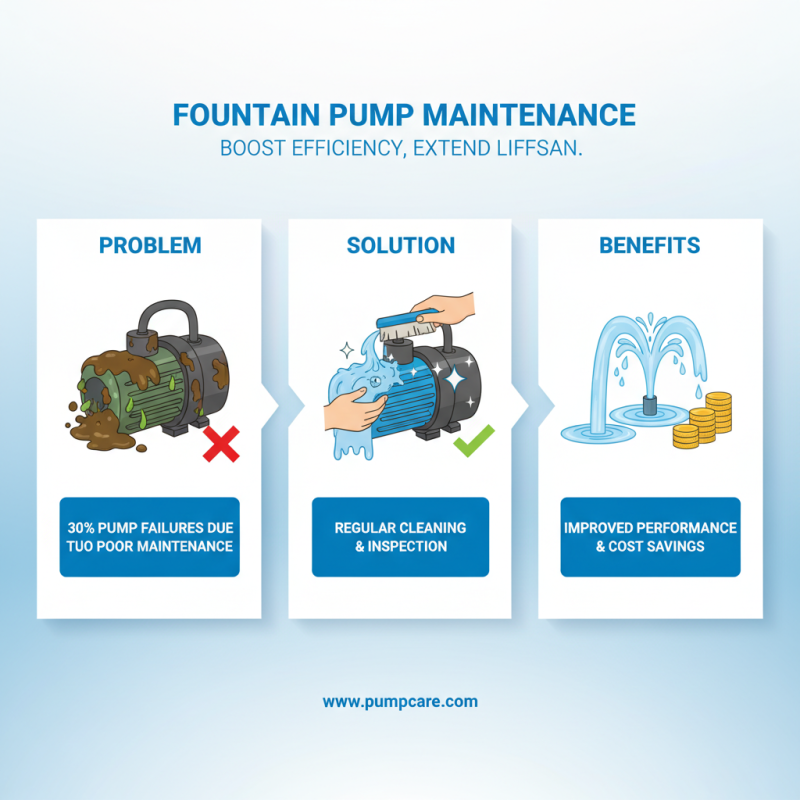
To ensure that your fountain pump operates efficiently and has a long lifespan, regular maintenance is essential. According to industry reports, approximately 30% of pump failures can be attributed to inadequate maintenance. Keeping your pump clean and well-maintained can not only improve its performance but also prevent costly repairs in the future.
One crucial maintenance tip is to routinely inspect and clean the pump's filter. Debris accumulation can reduce the pump’s efficiency and lead to overheating. Make it a habit to check the filter every month, especially during peak usage seasons, and clean it thoroughly as needed. Additionally, ensure that the intake and discharge lines are free from obstructions to maintain optimal water flow.
Another important aspect is to monitor the fountain's water level. Pumps are designed to operate within a specific range, and running a pump dry can cause significant damage. It's advisable to install an automatic refill system or regularly check the water level, particularly during hot weather. According to a study by the Water Quality Association, maintaining the right water levels can extend the life of your pump by up to 40%. Regularly keeping an eye on these elements will help keep your fountain pump running smoothly for years to come.