

Choosing Preschool Sensory Furniture in 2026 starts with watching how children use the room, not simply following a design trend. A child who seeks movement may gravitate toward a stable rocking seat, while another may prefer a quiet nook with soft textures and fewer visual distractions. Needs differ. Educators and caregivers can note where children pause, fidget, or feel crowded before selecting pieces. A low shelf, a textured wall panel, or a small balance seat can change how a space feels, but each should have a clear purpose. More stimulation is not always better.
This guide explores how to compare comfort, stability, materials, cleanability, and fit within a preschool’s daily routines. It also considers age range, available floor space, adult supervision, and the manufacturer’s care and use instructions. Measure doorways and play areas before ordering; a beautiful chair is not useful if it blocks a busy path. Look for sturdy construction and finishes that can handle frequent cleaning, then ask staff to observe how children respond over time. Not every choice will work. That is worth admitting. A piece that calms one child may distract another, so flexibility matters more than a perfect-looking room. The aim is a welcoming, practical environment where children can explore different ways to sit, move, and settle, with thoughtful choices rather than a one-size-fits-all solution.
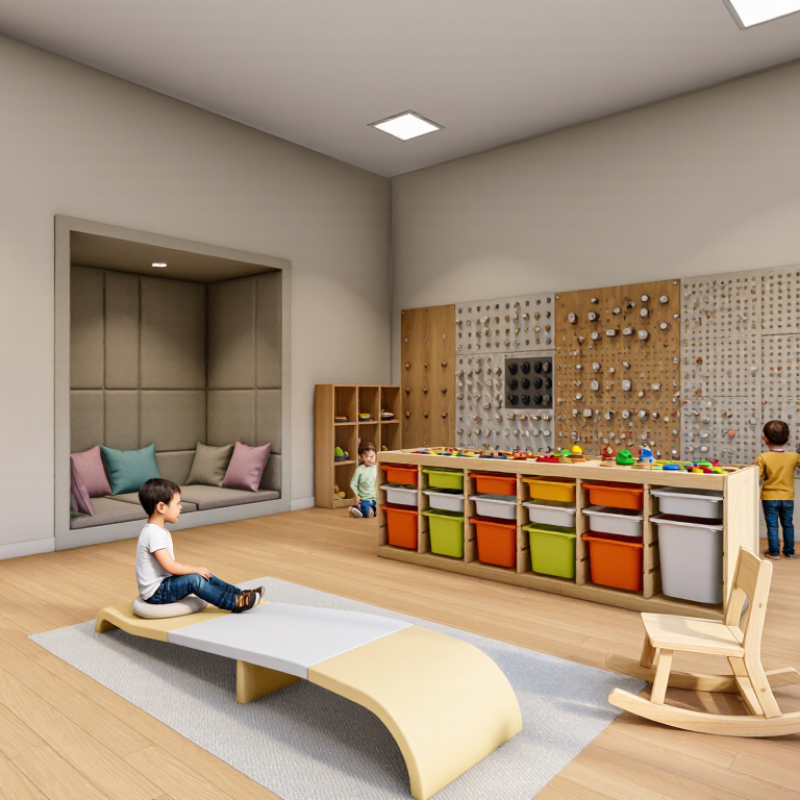
Preschool sensory furniture is seating and equipment designed to offer gentle movement, varied textures, or calming support. It can include wobble stools, soft floor cushions, low rocking seats, and padded quiet corners. A child might press both feet against a footrest while listening to a story, or choose a textured cushion during group time. These small choices can help children notice what their bodies need.
Small changes matter.
Sensory furniture supports learning by making participation more comfortable, not by guaranteeing better behavior or focus. Gentle movement may help some children stay with a task, while a snug reading nook can give others space to settle. Teachers can observe whether a child returns to an activity, listens longer, or seems more at ease. The effect is not always tidy; a wobble stool may distract one child and help another. That is useful information, not failure. Furniture works best alongside patient guidance, clear routines, and options to move or rest. It should feel stable, fit the child, and be easy to clean. A quiet corner should remain welcoming, never a place used to exclude a child.

A preschool sensory space should begin with observation, not a shopping list. Watch how each child responds during arrival, circle time, and quiet play. Does a child leave the carpet when the room grows loud? Do they press their feet against a chair rung or seek movement between activities? Small patterns can reveal useful clues. One difficult morning proves little, though. Record what happens across several days, and ask families what helps at home. A teacher’s notes are valuable, but they are not a diagnosis.
Turn those observations into classroom goals. If children need calmer transitions, place a soft seating option near the book area, where an adult can still supervise. If movement helps some children attend, consider a stable rocking seat or a clear floor space for stretching. Keep pathways open and furniture easy to clean. Test one change at a time, then notice whether children stay engaged, share materials, or return to play more easily. Ask children, too. Their feedback may be a gesture or a repeated choice. It can be messy to interpret. Review the setup with families and, when appropriate, a qualified specialist. Sensory preferences differ, so offer choices rather than expecting one chair to work for everyone.
Children who seek movement may prefer a low rocking chair or a gently springy seat, provided it has a stable base and clear space around it. A wobble cushion can offer smaller movements at a table, but it should not make sitting feel precarious. Some children settle better in a firm, supportive chair with both feet resting on the floor or a footrest. Small details matter. Watch how a child uses the furniture during ordinary play, not only during a brief trial.
For children who avoid touch or noise, choose smooth, easy-clean surfaces and a quiet nook with a supportive chair. Soft upholstery can feel comforting to one child and irritating to another, so offer choices where possible. Low shelves and simple visual surroundings may help reduce distractions, though a bare room is not automatically calming. A tidy room can still be the wrong room. Check that furniture fits the child’s size, has no sharp edges, and can be cleaned regularly. Educators and caregivers can note patterns over several days; if needs are complex, an occupational therapist can help guide choices. Even then, the first furniture choice may need changing.
| Sensory need or preference | Furniture types to consider | Useful features | Selection and setup considerations |
|---|---|---|---|
| Movement and vestibular input Enjoys gentle rocking or movement while seated. | Stable rocking chair, glider, or a movement seat designed for supervised classroom use. | Controlled range of motion, a broad stable base, smooth edges, and a seat sized for the child. | Place on a level surface with clear space around it. Check the product’s age, weight, and use guidance; supervise use and avoid furniture that tips or moves unpredictably. |
| Proprioceptive input Seeks pushing, pulling, or firm pressure through everyday activities. | Child-sized tables and chairs that can be used for practical activities, plus sturdy, fixed seating. | Durable construction, secure joints, appropriate seat height, and surfaces that stay in place during use. | Furniture is not a substitute for therapeutic equipment. Offer safe, purposeful activities and follow advice from the child’s occupational therapist when applicable. |
| Quiet retreat and reduced stimulation Benefits from a calmer place to pause or work. | Low-backed lounge chair, soft seating, or a small retreat area with a chair and low shelf. | Comfortable washable upholstery, rounded edges, a defined but open layout, and subdued colors. | Keep the area visible to educators and easy to enter and leave. Avoid enclosed spaces that restrict supervision, airflow, or emergency access. |
| Tactile sensitivity Prefers predictable, non-irritating surfaces. | Standard classroom chairs, benches, or soft seating with smooth, consistent surfaces. | Removable or cleanable covers, minimal seams, non-abrasive finishes, and options to try before purchase. | Textures are experienced differently by each child. Check materials for cleaning requirements and select finishes that meet applicable safety standards. |
| Visual sensitivity May find busy surroundings or strong visual contrast distracting. | Simple desks, chairs, and storage furniture with uncluttered profiles. | Matte, low-glare finishes, restrained color choices, and clearly organized storage. | Consider the whole room, including lighting, wall displays, and furniture placement. Avoid assuming one color scheme will suit every child. |
| Postural support and body awareness Needs a stable, comfortable position for seated activities. | Adjustable child-sized chair, matching table, or supportive classroom seating. | Feet can rest on the floor or a suitable footrest; the table allows comfortable arm positioning; the seat supports an upright, relaxed posture. | Measure the child and furniture rather than relying only on age labels. Adjust the setup as the child grows and consult a qualified professional if positioning concerns persist. |
| Flexible movement and changing tasks Benefits from alternating between sitting and standing. | Height-appropriate activity table with stable chairs, or a suitable sit-to-stand workspace. | Stable legs, rounded corners, adequate knee clearance, and a height that supports comfortable use. | Provide clear pathways and enough space for mobility aids where needed. Ensure adjustable parts lock securely and are operated by an adult when required. |
| Shared or varied sensory preferences Children in the same group need different seating options. | A small mix of conventional chairs, soft seating, and stable movement-friendly options. | Consistent safety standards, easy-to-clean materials, clear storage locations, and more than one seating choice. | Observe how children use each option and invite their preferences where possible. Review the layout regularly for access, supervision, stability, and wear. |
Selection note: Sensory preferences vary from child to child. Choose furniture for the intended activity, verify age and weight limits, inspect it regularly, and follow local childcare safety requirements and professional guidance where relevant.
How to Choose Preschool Sensory Furniture in 2026
How to Assess Safety, Accessibility, Durability, and Cleanability
A calm-looking room can still hide hazards. Check each piece for a stable base, secure fasteners, and gaps that could trap small fingers. Edges matter. Press gently on raised platforms and seating to check for wobbling or shifting. Confirm age and weight guidance, and compare materials with applicable safety standards. I would not rely on appearance alone; labels and care instructions deserve a closer look.
Accessibility means children can approach, use, and leave furniture with different bodies and movement needs. Keep clear routes between pieces, including space for mobility devices to turn. Offer varied seat heights and supported floor-level options. Place tactile panels and storage within children’s reach, without blocking exits. Check beneath it. A detail that seems minor during planning can become frustrating in a busy classroom.
Daily use tests durability more honestly than a showroom visit. Look for reinforced seams, smooth finishes, replaceable parts, and construction suited to repeated climbing or leaning. Cleanability matters just as much. Choose surfaces that tolerate the classroom’s approved cleaning products, and inspect seams where crumbs or moisture may collect. Let materials dry fully before children return. One compromise: highly textured surfaces can invite touch but take longer to clean, so weigh sensory value against upkeep.
Suggested starting weights for a furniture evaluation—not regulatory requirements or product ratings. Check stability, edges, and pinch points for safety; usable access and transfer space for accessibility; construction and wear resistance for durability; and whether surfaces can be cleaned using your setting’s routine. Confirm applicable local codes and the needs of the children and staff who will use the space.
Choosing preschool sensory furniture in 2026 starts with comparing how each piece works in your actual room. Measure clear floor space, doorways, and busy paths before reviewing product dimensions. Check stability, cleanable surfaces, weight limits, and whether children can use the furniture with appropriate supervision. A soft seat may look inviting, but it should also be easy to inspect and maintain. Ask staff which activities need calm corners, movement, or shared seating. Their daily experience can reveal details a catalog misses.
Tips: Compare two or three options side by side. Note dimensions, care needs, expected use, and total cost. Test samples when possible.
Plan the classroom around routines, not just furniture zones. Mark where children gather for stories, transition between activities, and need quieter moments. In 2026, flexible pieces may help a room adapt as enrollment or classroom needs change. Avoid filling every open space; children need room to move safely. Our first layout may still feel crowded once the day gets busy, so leave time to observe and adjust. A simple floor plan and staff feedback can make those changes easier.
Sign up today to keep up with the newest information from one of the Southeast’s leading suppliers of fluid handling equipment!