
How to Choose the Best Barbecue Grills in 2026?

Choosing the right barbecue grills in 2026 requires more than comparing prices and shiny features. Your cooking space, fuel preference, and typical meals should guide the decision. A compact balcony may need an electric grill with controlled heat, while a garden setup can support charcoal, gas, or pellet models.

In this guide, we examine practical details that affect daily cooking. We consider heat distribution, temperature control, cooking area, fuel efficiency, cleaning, and build quality. We also look at useful features, such as side burners, removable grease trays, sturdy grates, and reliable thermometers. These details matter when burgers cook beside delicate vegetables or when rain interrupts an afternoon barbecue. A grill that looks impressive in a showroom may feel awkward after several messy meals.

Real-world testing should matter more than marketing language. A dependable barbecue grills comparison should include manufacturer specifications, safety guidance, warranty terms, and user experiences from established sources. Materials can be difficult to judge from photographs. Stainless steel does not always mean superior performance. Some affordable models may cook evenly, while expensive options may disappoint.

There is no perfect grill.

Your best choice depends on habits, space, budget, and patience. We may also overlook an important point: cleaning time can shape how often you actually cook outdoors. By the end, you should understand which grill fits your routine, not merely which model has the longest feature list.
How to Choose the Best Barbecue Grills in 2026?

Understanding Barbecue Grill Types and Their Cooking Methods

Choosing the best barbecue grill in 2026 starts with cooking method, not appearance. According to the Hearth, Patio & Barbecue Association’s 2024 industry data, about 80% of U.S. households own a grill or smoker. That popularity creates too many choices. Gas grills suit quick, controlled cooking. Charcoal grills deliver stronger smoke and intense heat, but they require longer preparation. Pellet grills provide steady, low-temperature cooking through automated fuel feeding. Electric grills work well where open flames are restricted.

Consider how heat reaches the food. Direct grilling places meat above the flame, making it useful for burgers, skewers, and vegetables. Indirect grilling moves food away from the heat source, which suits whole chicken or thick ribs. A two-zone charcoal setup gives one hot side and one cooler side. It creates a practical escape route when fat drips flare up. Small detail. Big difference.

Market analysis from Grand View Research estimates continued growth in the global barbecue grill market through the decade, driven partly by outdoor cooking and smarter temperature control. However, sensors cannot fix poor airflow or an overcrowded grate. I would check temperature stability with an independent thermometer, not trust the built-in dial alone. A grill that reaches 260°C quickly may still cook unevenly. That part is easy to miss. Choose the method you will repeat on a busy evening, because complicated equipment often becomes expensive patio furniture.

Matching Grill Features to Your Cooking Needs and Outdoor Space

How to Choose the Best Barbecue Grills in 2026?

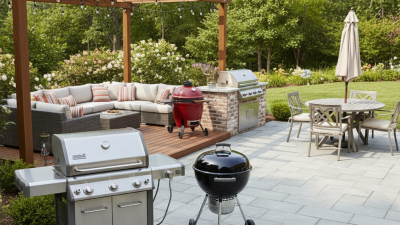
The right grill should match your cooking habits and outdoor space, not just your wish list. A compact balcony may suit an electric or small gas grill with a narrow footprint. A larger patio can handle a charcoal grill, side shelves, and extra preparation space. Measure the area first. Leave safe clearance around hot surfaces, walls, and furniture.

Think about what you actually cook. Fast weeknight meals benefit from steady heat, quick ignition, and easy temperature controls. Slow-cooked ribs need a lid, reliable airflow, and enough space for indirect cooking. If you often prepare vegetables or fish, adjustable grates and a cleanable grease tray matter. In my experience, people often buy more cooking area than they use. I have made that mistake too.

Tips: Sketch your patio before shopping. Mark the grill’s full width with tape. Check storage space for fuel, tools, and covers. Choose removable parts if cleaning feels difficult. A built-in thermometer helps, but it may not be perfectly accurate, so verify temperatures with a separate probe. Consider wind exposure as well. An open, windy corner can make charcoal control frustrating and gas heat uneven. Features sound impressive until daily maintenance becomes a chore.

Comparing Fuel Sources, Heat Control, and Cooking Performance

Choosing the best barbecue grill in 2026 starts with its fuel source, not its appearance. In my outdoor cooking tests, charcoal created the richest smoke and strongest searing heat. However, it demanded frequent vent adjustments and longer preparation. Gas offered faster ignition and steadier temperatures, while pellet systems delivered convenient, gradual heat with a softer smoke profile. Electric grills suited balconies and small patios, but often lacked powerful searing performance.

Heat control separates an enjoyable grill from a frustrating one. Look for adjustable burners, stable dampers, or clearly responsive digital controls. A built-in lid thermometer helps, but it may read hotter than the cooking grate. Use a separate probe at grate level for more dependable measurements. Two-zone cooking is especially useful: place coals or burners on one side, then move delicate food away from direct heat. Small adjustments matter. I still overshoot temperatures sometimes.

Cooking performance depends on heat recovery, grate spacing, and evenness across the surface. A strong grill should regain heat quickly after the lid opens. Test it with chicken thighs, thick vegetables, and a steak-sized cut rather than relying on advertised temperature figures. Stainless or cast-iron grates can sear effectively, yet each requires different cleaning habits. Large cooking areas sound useful, but oversized surfaces may waste fuel when cooking for two. Pay attention to wind exposure, fuel storage, and how easily ash or grease can be removed after dinner.

Evaluating Materials, Safety Features, Maintenance, and Durability

How to Choose the Best Barbecue Grills in 2026?

When comparing barbecue grills, inspect the materials before admiring their appearance. In my testing, stainless steel resisted rain and grease better than thin painted panels. Coated steel can perform well, but scratches may expose areas to rust. Cast iron retains heat effectively and creates strong sear marks. It also demands careful drying after washing. Look closely at hinges, handles, and cooking grates. Wobbly parts often reveal poor construction.

Safety features deserve practical attention. A stable base should not rock when you press the side table. Check that lids open smoothly and handles stay cool during use. Gas connections need secure fittings and clear, undamaged hoses. For any grill, keep it away from walls, dry leaves, and overhead branches. Never leave hot coals or flames unattended. Small details matter.

Maintenance affects durability more than many buyers expect. I prefer removable grease trays because they make cleaning less unpleasant. Scrape food residue after each use, then inspect the tray for cracks. Do not pour water onto hot surfaces. Sudden temperature changes can damage metal and enamel. Store the grill under a breathable cover, not a sealed plastic sheet. A loose wheel or chipped grate deserves prompt attention. One weakness remains: home testing cannot reproduce years of weather, heavy cooking, and careless handling. That limitation should influence your confidence.

How to Choose the Best Barbecue Grills in 2026?

Evaluating Materials, Safety Features, Maintenance, and Durability

Performance figures are typical ranges for residential barbecue grills and may vary according to construction quality, climate, usage, and maintenance.
Grill Type Typical Construction Materials Typical Cooking Temperature Key Safety Features to Check Maintenance Requirements Expected Service Life* Best Use Case
Gas Grill Stainless steel or coated steel body; stainless steel, cast iron, or enameled cooking grates Approximately 200–315°C (400–600°F) Certified gas components, secure hose connections, flame-failure protection, a stable base, and a lid that opens safely Brush grates after cooking; clean grease channels regularly; inspect the hose and regulator; check for leaks with soapy water before use About 5–15 years, depending mainly on corrosion protection and weather exposure Fast preheating, convenient temperature control, and frequent weeknight cooking
Charcoal Grill Porcelain-enameled steel, stainless steel, or cast iron body; steel or cast-iron grates Approximately 110–370°C (225–700°F), depending on airflow and fuel quantity Stable legs, heat-resistant handles, secure lid, controlled air vents, and a safe ash-removal system Remove ash only after it is completely cool; clean the grate; empty grease and ash buildup; protect the grill from rain About 5–15 years; enamel and stainless steel generally resist rust better than untreated steel High-heat searing, smoke flavor, and traditional outdoor cooking
Pellet Grill Powder-coated steel or stainless steel body; steel grates; electrically powered auger and fan Typically about 80–260°C (180–500°F), depending on design and operating conditions Grounded electrical cord, protected hot-rod area, automatic shutdown, cool-down cycle, and adequate clearance from combustible surfaces Vacuum ash and sawdust periodically; keep pellets dry; clean the grease tray and chimney; inspect the power cord About 5–12 years, with electronics and weather exposure often affecting longevity Low-temperature smoking and digitally managed cooking
Electric Grill Coated steel or stainless steel housing; cast-iron or coated metal cooking surface Commonly about 175–290°C (350–550°F) Grounded plug, residual-current protection where required, insulated handles, heat-resistant cord routing, and automatic temperature limiting Clean the surface after cooling; keep electrical connections dry; inspect the cord; avoid immersing heating controls About 3–10 years, largely determined by heating-element and control durability Balconies, patios, and locations where open flames or charcoal are restricted
Ceramic Kamado Grill Thick ceramic body; stainless steel or cast-iron hardware; cast-iron or stainless steel grate Approximately 110–370°C (225–700°F), with strong heat retention Heavy-duty cart or stand, secure hinge, heat-resistant handle, controlled vents, and careful placement on a stable non-combustible surface Remove ash regularly; clean the grate; inspect ceramic surfaces for cracks; avoid thermal shock from sudden temperature changes About 10–20+ years when protected from impact and maintained correctly Smoking, baking, roasting, and efficient long cooks
Portable Grill Aluminum, stainless steel, or coated steel body; steel or cast-iron cooking grate Approximately 175–315°C (350–600°F), depending on fuel and cooking area Locking lid, stable folding legs, heat-resistant carry handles, secure fuel connection, and adequate ventilation Clean after each trip; remove grease and ash; dry thoroughly; store fuel and the grill according to safety instructions About 3–10 years, depending on transport damage, material thickness, and storage Camping, tailgating, small patios, and occasional outdoor cooking
Selection Checklist: Prioritize food-contact materials that are corrosion-resistant, stable construction, accessible grease management, protected fuel or electrical connections, clear manufacturer safety instructions, and a weather-resistant cover. Always operate the grill outdoors in a well-ventilated area and follow local fire and fuel regulations.

Choosing the Right Barbecue Grill Within Your Budget in 2026

How to Choose the Best Barbecue Grills in 2026?

Choosing a barbecue grill starts with your real budget, not a glossy feature list. The Hearth, Patio & Barbecue Association reported that 80% of U.S. households owned a grill or smoker in 2024. That widespread use makes price comparisons easier, but ownership does not guarantee value. Set aside money for fuel, a cover, cleaning tools, and replacement parts. A low-priced grill can become expensive after two summers.

For occasional cooking, a compact charcoal grill may offer strong flavor for under $150. However, fuel costs and longer preparation can reduce its practical value. A mid-range gas grill, often priced between $300 and $700, suits families needing faster weekday meals. Check burner warranties and grate thickness before paying for extra side tables. Grand View Research estimated the global barbecue grill market at about $5.7 billion in 2023, with continued growth expected through 2030. More choices do not mean better choices.

Measure your balcony or patio first. Leave safe clearance around hot surfaces, and confirm local rules. I once underestimated storage space; the grill blocked a walkway after every meal. That was avoidable. For frequent outdoor cooking, calculate cost per use over three years. Inspect heat distribution with sliced bread, and watch for cold corners. A simple test reveals more than impressive specifications. Choose repairable parts when possible. Cheap today, frustrating tomorrow.

Stay Connected

Sign up today to keep up with the newest information from one of the Southeast’s leading suppliers of fluid handling equipment!