How to Choose the Best Sink Stoppers for Your Needs?
Choosing the right Sink Stoppers is essential for any household. They play a vital role in preventing clogs and maintaining cleanliness in your sink. However, with various types on the market, finding the best option can feel overwhelming. It's important to consider your specific needs and preferences when selecting sink stoppers.
Think about the size and design that would fit well with your sink. Some stoppers are designed with unique features, like removable components or specific materials. These factors can significantly affect usability and functionality. Not every sink stopper will meet your expectations. Some may not create a watertight seal, while others may wear out quickly.
It's crucial to do thorough research before purchasing. Customer reviews often highlight real-world experiences that can guide your decision. Remember, a reliable sink stopper can improve your daily routine and save you from future plumbing issues. A poorly chosen stopper can lead to inconveniences in your home. Hence, weigh your options carefully.
Factors to Consider When Choosing Sink Stoppers for Your Kitchen
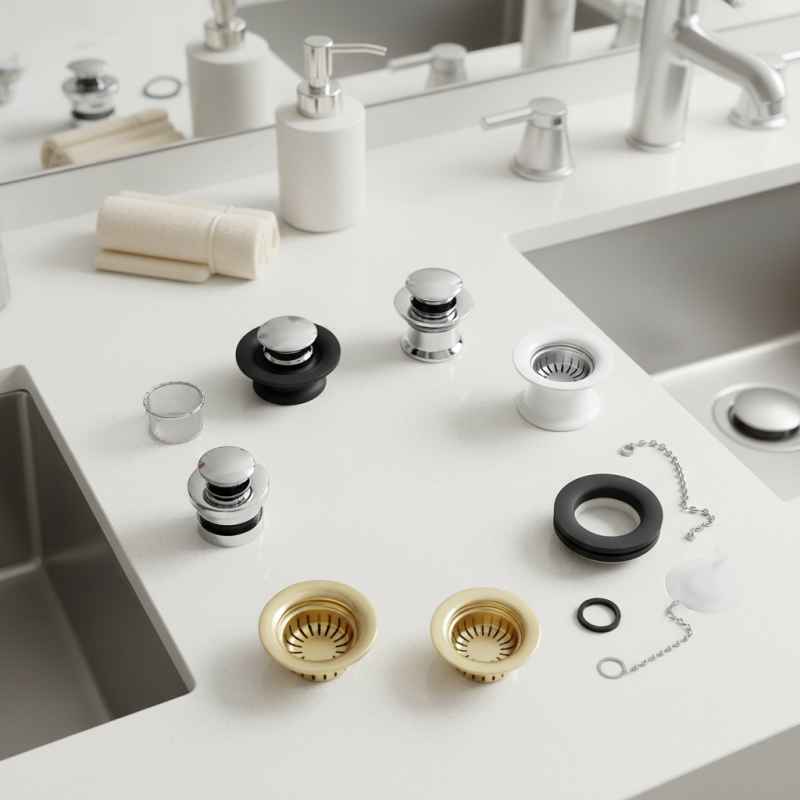
Choosing the right sink stopper for your kitchen can be challenging. It’s crucial to evaluate a few key factors before making a decision. Think about the material of the stopper. Rubber, silicone, or stainless steel are common options. Each has its pros and cons. Rubber is affordable and flexible, while stainless steel offers durability.
Lift-out stoppers are easy to handle. They can be removed quickly when needed. However, if you prefer a more secure fit, consider a twist-lock design. This option reduces leaks, which is a common issue with cheaper stoppers.
**Tip:** Always measure your sink drain before buying. Not all stoppers fit all sinks. A wrong size can lead to frustration.
Another factor is the style of the stopper. Sleek designs can enhance your kitchen’s aesthetic. But functionality should remain your priority. Sometimes, style can trump usability, and that’s worth pondering.
**Tip:** Clean your stoppers regularly. Build-up can lead to unpleasant odors and hinder performance. A little maintenance goes a long way.
Finally, consider the ease of use. A stopper that’s difficult to operate can become a nuisance. Seek options that provide convenience, especially in a busy kitchen environment. Making the right choice can save time and enhance your day-to-day tasks.
Types of Sink Stoppers: A Comparison of Materials and Designs
When choosing a sink stopper, various materials and designs come into play. Rubber stoppers are a popular choice. They're affordable and flexible. These stoppers create a tight seal, preventing water from leaking. However, rubber can degrade over time, leading to unpleasant odors. Regular replacement is necessary for hygiene.
Metal stoppers, such as those made of stainless steel, offer durability and hygiene. They resist rust and are easy to clean. A drawback is their higher cost and potential for scratching the sink's surface. Glass stoppers provide a sleek aesthetic but can be fragile. They might shatter if dropped. Their beauty comes at a risk.
There are also innovative designs like pop-up stoppers. These stoppers allow for convenient use. Just press a lever to seal or release water. Yet, mechanisms can fail, and repair may be needed. Each type has its own pros and cons. Consider your specific needs to make an informed choice.
Understanding Compatibility: Ensuring Your Stopper Fits Your Sink
When selecting a sink stopper, compatibility is key. It’s not just about style; it’s about functionality. Every sink is designed differently. The drain size, shape, and design can vary widely. Measure your sink’s drain opening carefully. A poor fit can lead to leaks or ineffective sealing.
Visual details matter too. Some stoppers are spring-loaded, while others may be a simple rubber design. Consider how you'll use the sink. A kitchen sink often requires a more robust stopper than a bathroom sink. Think about your cleaning routine as well. An overly complicated stopper can cause frustration when cleaning.
It's easy to overlook compatibility. Many assume a stopper will fit just because it looks right. This assumption can lead to wasted time and effort. Reflect on your choices before purchasing. A few moments spent examining specifications can save headaches later. Prioritize a fit that matches your sink perfectly for optimal performance.
Durability and Maintenance: How to Choose Long-lasting Sink Stoppers
Choosing a long-lasting sink stopper requires careful consideration of materials. Stainless steel and silicone stoppers often stand the test of time. They resist rust and damage from water exposure. However, some affordable options may seem appealing, yet they could wear out quickly. It’s crucial to balance cost and quality when making a decision.
Regular maintenance can extend the lifespan of your sink stoppers. Cleaning them after use prevents buildup and clogs. A simple wipe with soapy water can do wonders. Inspect the stopper regularly for signs of wear. If it’s cracked or doesn’t fit, the time for a replacement has arrived. This might sound trivial, but overlooking it can lead to bigger plumbing issues.
Durability is not just about the material but also the design. A well-designed stopper creates a proper seal, preventing sink leaks. However, poorly designed options may lead to frustration and frequent replacements. Reflect on how often you use your sink. Frequent usage demands a more durable choice to avoid repeated purchases and hassle.
Cost vs. Quality: Analyzing the Price Range of Sink Stoppers in the Market
When selecting sink stoppers, it's essential to consider both cost and quality. The price of sink stoppers varies widely. You can find basic models for a few dollars, while more durable options may cost significantly more. Cheaper stoppers might seem appealing, but they often lack longevity. In the long run, investing a bit more may save you money on replacements.
Quality is crucial. High-quality sink stoppers are made from durable materials that withstand wear and tear. Look for models with a solid seal to prevent leaks. Some stoppers come with features like easy-release mechanisms that can simplify usage. Performing thorough research can help you identify the best options.
Tips:
- Measure your sink drain before purchasing. This ensures compatibility and prevents frustration.
- Read user reviews. They can give insight into long-term performance.
- Don't rush your decision. Take time to weigh the pros and cons of various options.