
10 Tips for Choosing Outdoor Kitchen Appliances?

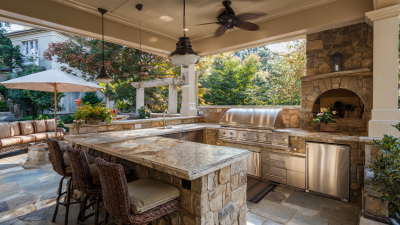
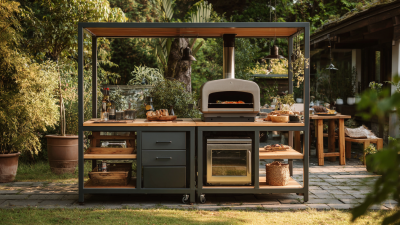
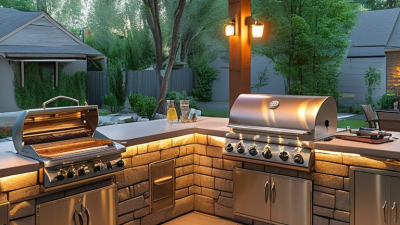
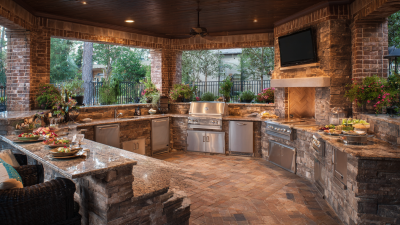
Choosing outdoor kitchen appliances requires more than matching stainless steel with a patio. Outdoor cooking exposes equipment to rain, salt air, heat, grease, and sudden temperature changes. Your climate matters. So does the distance between the grill and your home.

The National Kitchen & Bath Association’s 2024 Outdoor Living Report identifies cooking, dining, refrigeration, and weather protection as major outdoor-living priorities. Houzz’s 2024 U.S. Outdoor Trends Study also reports continued investment in upgraded outdoor spaces, including built-in cooking areas. These findings suggest a practical shift: homeowners want outdoor kitchens to function like dependable rooms, not temporary barbecue stations.

Russ Faulk, a longtime outdoor-kitchen product expert and former Kalamazoo Outdoor Gourmet executive, has described the central design idea this way: “An outdoor kitchen should be an extension of your indoor kitchen.” That principle sounds simple. It is often ignored.

A powerful burner may impress guests, yet poor ventilation can make cooking uncomfortable. A compact refrigerator may save space, but its outdoor rating determines whether it survives summer humidity. Even attractive cabinetry can fail when water reaches unsealed joints.

This guide offers 10 tips for choosing outdoor kitchen appliances with greater confidence. It examines cooking power, fuel type, refrigeration, ventilation, weather resistance, maintenance, energy use, warranties, safety, and total ownership cost. Some recommendations may feel overly cautious. They are. Replacing a corroded appliance after two seasons costs more than selecting the right specification today. A measuring tape, product manual, and honest assessment of your cooking habits can prevent expensive regret.
10 Tips for Choosing Outdoor Kitchen Appliances?

Assess Your Outdoor Cooking Needs and Available Space

Assess Your Outdoor Cooking Needs and Available Space

Start with the meal, not the appliance. Do you grill for two people, prepare family dinners, or host twenty guests? Your answer affects cooking surface, refrigeration, storage, and fuel requirements. Measure the patio carefully, including door swings and walking paths. Leave clear space around hot equipment. A compact counter may work better than a crowded outdoor kitchen.

The National Fire Protection Association reported an average of 158,400 home cooking fires annually from 2017 to 2021. Cooking equipment caused about 49% of those fires. Treat ventilation, heat clearance, and safe placement as essential design features. Keep appliances away from combustible walls and busy pathways. I once planned a cooking area too close to a door. It looked efficient, but traffic quickly became frustrating.

Energy use also deserves attention. The U.S. Environmental Protection Agency states that certified refrigerators use at least 10% less energy than federal minimum standards. Select the smallest refrigerator that matches your real storage habits. A large unit can waste energy and valuable counter space. For food safety, the U.S. Department of Agriculture recommends keeping perishable food below 40°F and limiting room-temperature exposure to two hours. Add shade, drainage, and weather protection before choosing accessories. Space always reveals weak planning.

Choose Appliances Suited to Your Climate and Outdoor Conditions

10 Tips for Choosing Outdoor Kitchen Appliances

Choose Appliances Suited to Your Climate and Outdoor Conditions

Weather decides more than appearance when selecting outdoor kitchen appliances. In coastal areas, salty air can corrode ordinary metal quickly. Choose corrosion-resistant stainless steel, sealed controls, and hardware designed for humid conditions. Harsh sunlight also weakens plastic knobs and faded finishes. Look for UV-resistant components and strong insulation around refrigerated storage.

Cold climates create different problems. Water trapped in supply lines may freeze, expand, and cause expensive damage. Select appliances with accessible shutoff valves and drain points. Cover or store removable parts before winter arrives. In wet regions, raised appliances and sloped countertops help prevent standing water. Electrical equipment should have suitable outdoor protection and professional installation.

I once underestimated wind exposure. A sheltered cooking area can become surprisingly uncomfortable during storms. Check ventilation paths, burner stability, door seals, and appliance anchoring before buying. High humidity may also overload poorly protected refrigeration systems. Energy ratings matter, but real performance depends on shade and airflow. Read installation requirements carefully. They are easy to ignore.

Your cooking habits should match the local environment. A frequent griller may need fast ignition and durable grates. Someone hosting evening meals may value reliable lighting and weather-resistant storage more. Leave service access around every appliance. Repairs become frustrating when cabinets block essential panels. My first layout looked efficient, but maintenance proved awkward. Practical choices often look less impressive. They usually last longer.

Compare Fuel Sources, Utility Connections, and Energy Efficiency

10 Tips for Choosing Outdoor Kitchen Appliances

Tip 1: Compare fuel sources before choosing an appliance. Natural gas can provide steady heat, but it needs a fixed connection. Propane offers flexibility, although tanks require regular replacement. Electricity is convenient for refrigeration and induction cooking, but outdoor outlets must be properly protected. Tip 2: Ask a licensed professional to inspect gas lines, wiring, and ventilation. I once underestimated cable length, and the installation became unnecessarily expensive. Tip 3: Check whether your home can support the appliance load. A tripped circuit can ruin dinner.

Tip 4: Match the fuel source to your cooking habits. Charcoal may create strong flavor, but it needs storage and longer preparation. Tip 5: Examine utility locations before designing cabinets or counters. Moving a gas line later can damage finished surfaces. Tip 6: Choose appliances with insulated lids and efficient burners. They use less energy while maintaining stable temperatures. Tip 7: Look for refrigerators with reliable seals and adjustable temperature controls. Small gaps waste energy continuously. Tip 8: Protect electrical appliances from rain, moisture, and direct sunlight. Outdoor-rated equipment is essential, not optional.

Tip 9: Measure standby energy use, especially for refrigerators and lighting. Efficient operation matters over an entire season. Tip 10: Consider maintenance access before installation. Filters, burners, and connections should remain reachable. I have seen attractive kitchens become difficult to service because access panels were ignored. Efficiency ratings help, but real performance also depends on insulation, placement, and daily habits. A shaded refrigerator may work better than a powerful model exposed to afternoon heat.

Evaluate Materials, Features, Safety Standards, and Installation Needs

Outdoor kitchen appliances endure sun, rain, salt, grease, and sudden temperature changes.
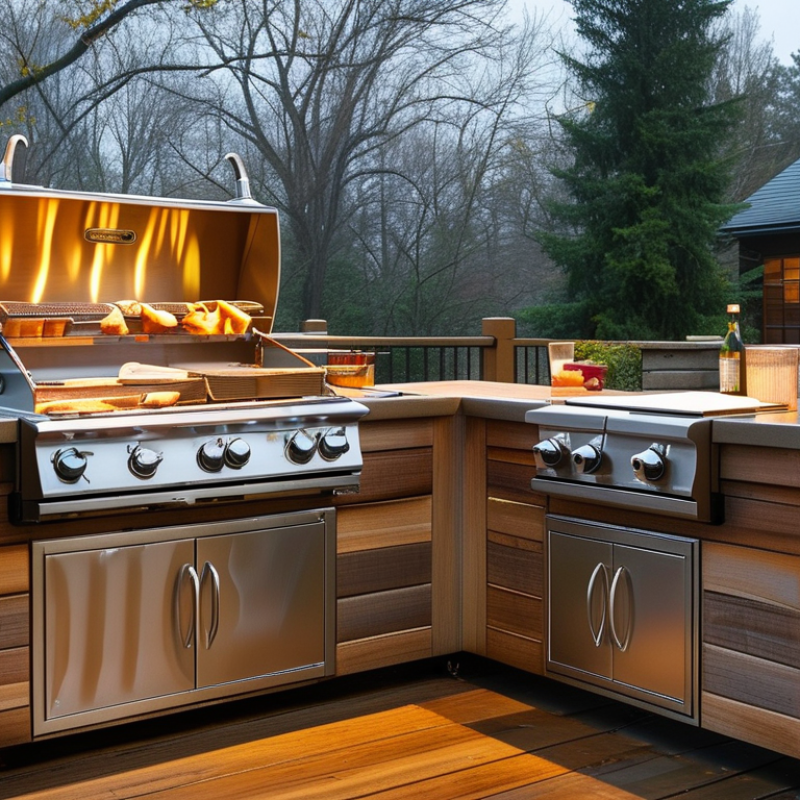
Material selection matters. Marine-grade stainless steel resists corrosion better than painted steel, but it still needs regular cleaning.

Tip 1: Inspect welds, hinges, and seals.
Tip 2: Choose sealed controls and weather-resistant electrical covers.
Tip 3: Match appliance capacity to your cooking habits.

Oversized equipment wastes space and energy. NFPA reports that grills caused an average of 5,400 home structure fires annually from 2017 to 2021. That figure makes safety features essential, not decorative.

Tip 4: Look for recognized safety certification, such as ANSI or CSA standards for gas appliances.

Tip 5: Confirm automatic gas shutoff protection.

Tip 6: Keep burners away from combustible walls and roof materials.

Tip 7: Install a properly sized ventilation system.

Tip 8: Require GFCI protection for outdoor electrical circuits, following local code.

Tip 9: Check gas-line sizing before delivery.

Tip 10: Leave service access around every appliance.

A cramped cabinet becomes frustrating quickly. Manufacturer manuals often seem clear, yet installation drawings can hide drainage problems. A practical inspection should test water flow, door clearance, ignition, and emergency shutoff access.

CPSC safety guidance also emphasizes carbon monoxide awareness around fuel-burning equipment. I would not trust appearance alone. A polished surface can conceal poor wiring, weak ventilation, or trapped moisture.

Plan Your Budget, Maintenance, Warranty, and Long-Term Value

Outdoor kitchen appliances should match your budget, cooking habits, and climate. A low purchase price can hide costly installation, gas connections, electrical upgrades, or drainage work.

Tip 1: Set a complete budget before shopping. Include cabinets, ventilation, delivery, permits where required, and a 10 percent repair reserve. I once underestimated wiring costs. That mistake mattered.

Tip 2: Compare maintenance needs, not just features. Look for removable grease trays, accessible burners, sealed controls, and corrosion-resistant materials. After cooking, wipe salt, grease, and moisture from exposed surfaces.

Tip 3: Ask about seasonal protection. A fitted cover helps, but it cannot replace airflow and regular inspections. Neglected moisture causes quiet damage.

Tip 4: Read the warranty line by line. Check coverage periods, labor terms, exclusions, and professional installation requirements. Keep invoices and service records in one folder.

Tip 5: Estimate long-term value through energy use, repair access, replacement parts, and expected lifespan. A cheap appliance that fails during a family gathering is not truly cheap. I would also question oversized features I rarely use. Impressive controls may become another maintenance burden. Choose practical capacity, sturdy construction, and support that remains available after the sale.

Stay Connected

Sign up today to keep up with the newest information from one of the Southeast’s leading suppliers of fluid handling equipment!