2026 How to Choose the Best Soccer Back Brace?
Choosing the best Soccer Back Brace in 2026 requires more than comparing prices and attractive product photos. Players need support that matches their position, movement style, injury history, and training surface. A lightweight midfielder may value flexible compression, while a goalkeeper may need broader lumbar coverage during repeated dives. Small details matter, including breathable fabric, adjustable straps, stitching, and whether the brace stays flat beneath a jersey.
This guide combines practical equipment experience with current sports-support principles. It examines fit, stability, comfort, mobility, material quality, and verified customer feedback. It also considers manufacturer information and advice commonly used by physiotherapists and sports-medicine professionals. A brace should support movement, not replace proper rehabilitation. Persistent pain, numbness, weakness, or pain after contact deserves professional assessment.
There is no perfect choice for every player. That is easy to forget. Some braces feel secure during warm-ups but become restrictive after sixty minutes. Others look comfortable but shift during sprinting. Personal testing remains important, and online reviews can be inconsistent. This guide will help readers question marketing claims, compare realistic features, and identify warning signs before purchasing. The goal is not maximum compression. It is dependable support that allows confident movement without creating new discomfort. Availability, sizing accuracy, and return policies may also change during 2026, so checking current details is essential.
What a Soccer Back Brace Is and When Players May Need One
2026 How to Choose the Best Soccer Back Brace?
What a Soccer Back Brace Is and When Players May Need One
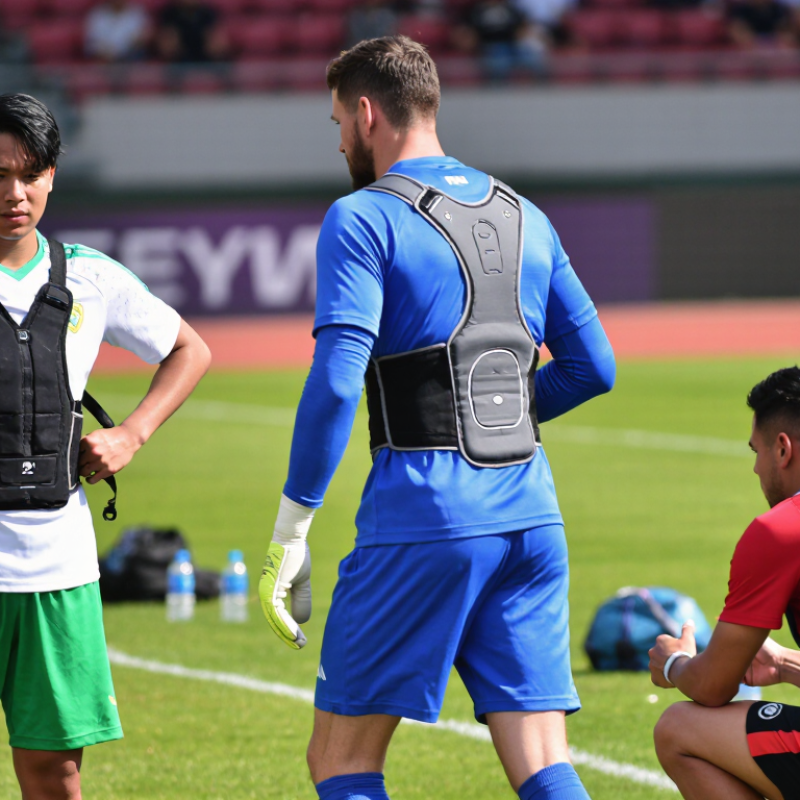
A soccer back brace is a wearable support designed to limit excessive movement around the lower back. It may provide compression, warmth, and body-position awareness during training or matches. Some designs use flexible panels, while others offer firmer support. The right choice depends on the player’s symptoms, movement demands, and medical history.
Players may consider one after a qualified clinician identifies mild instability, recurring muscle strain, or discomfort during bending and rotation. A brace can also support a gradual return after rehabilitation. It should not replace strength training, mobility work, or proper medical assessment. Pain changes the plan. Sudden pain, numbness, leg weakness, or bladder changes require prompt professional care.
Fit matters. A brace should feel secure without restricting breathing, sprinting, or hip movement. Test it during walking before using it for competitive play. Check for rubbing beneath the jersey, especially around the ribs and waist. In my experience, athletes sometimes tighten braces too much, believing stronger pressure means better protection. That assumption can reduce comfort and natural movement. A sports physician or physical therapist can help determine whether support is appropriate and how long to wear it. Younger players need extra care because growing bodies and developing movement patterns require individual guidance. A brace may help confidence, but confidence alone does not prove recovery.
2026 How to Choose the Best Soccer Back Brace?
What a Soccer Back Brace Is and When Players May Need One
A soccer back brace is an external support designed to provide lumbar compression, posture feedback, or movement control. Flexible braces generally allow more mobility, while semi-rigid and rigid designs provide progressively greater motion restriction. Players may consider a brace for recurring back discomfort, during a clinician-guided recovery plan, or when additional support is recommended after assessment. A brace should not be used to ignore severe pain, numbness, weakness, or pain that travels down the leg.
Relative design scale: 1 = low and 5 = high. These values describe general brace characteristics, not a medical prescription or clinical effectiveness score.
How to Assess Support, Protection, and Freedom of Movement
2026 How to Choose the Best Soccer Back Brace?
A soccer back brace should support movement, not simply compress your waist. The UEFA Elite Club Injury Study reports about eight injuries per 1,000 player-hours, with match injuries occurring far more often than training injuries. This figure does not prove a brace prevents injury. It shows why fit and movement deserve careful testing. Look for firm support around the lower back, soft edges, and adjustable tension. When standing, the brace should feel secure without forcing your spine into one position.
Test it during realistic actions. Jog, sprint, rotate, bend, and kick with the brace fitted. Your hips should move freely. Your breathing should remain easy. A rigid panel may feel protective during contact, yet restrict rotation during a quick turn. That trade-off is easy to miss. I would not trust one laboratory claim as a universal answer. Comfort changes with sweat, match length, and body shape. Stop using the brace if you notice numbness, tingling, skin color changes, or increasing pain. Seek qualified medical advice after a significant collision.
Tips: Wear the brace over a thin, moisture-wicking layer. Check whether it slides during repeated sprints. Sit, tie your boots, and raise one knee. If the brace digs into your ribs or pelvis, reconsider the size or design. Wash it according to the care instructions, because stretched materials can reduce reliable support.
How to Use, Maintain, and Replace a Soccer Back Brace
How to Use, Maintain, and Replace a Soccer Back Brace
Choose a soccer back brace for controlled support, not maximum tightness. Start with a sports physiotherapist’s assessment. Professional guidance matters because back pain may involve muscles, joints, or nerves. The World Health Organization reports that low back pain affected 619 million people worldwide in 2020. It also projects 843 million cases by 2050. A brace cannot correct every cause.
Use the brace during approved training or matches. Position the lumbar panel over your lower back. Fasten it firmly, but keep breathing comfortable. It should support movement without limiting hip rotation. Do not wear it over broken skin. Stop playing if numbness, leg weakness, or increasing pain appears. The UEFA Elite Club Injury Study identifies workload and previous injury as important injury factors, so a brace should support rehabilitation, not replace it.
After each session, check the seams, fasteners, and elastic edges. Hand-wash the brace with mild soap, then air-dry it fully. Avoid bleach, hot dryers, and prolonged sunlight. Damp fabric can irritate skin and develop unpleasant odors. Replace the brace when support feels uneven, the elastic stays stretched, or stitching begins to open. Follow the manufacturer’s replacement guidance rather than guessing a fixed date. One honest limitation remains: a brace may improve confidence, but it can also hide worsening symptoms. Persistent pain deserves qualified medical review.