How to Choose the Right Heavy Duty Lock for Your Needs?
Choosing a Heavy Duty Lock starts with the door, gate, or equipment it must protect—not the largest lock on the shelf. A warehouse side door faces different demands from a salt-sprayed marina gate. Weight, weather exposure, daily use, and the hasp or frame all affect performance. A thick shackle cannot compensate for a weak mounting point. Looks can mislead.
The FBI’s 2023 Crime in the Nation report estimated 847,522 burglary offenses in the United States. That figure describes reported crime; it does not show which lock would have prevented an incident. It does, however, underline why selection should begin with a realistic risk assessment. For commercial door hardware, ANSI/BHMA standards provide performance grades for specific lock types. Check that the cited grade applies to the product and application you are considering. Standards matter.
Security technologist Bruce Schneier has written, “Security is a process, not a product.” That principle applies to locks: hardware works as part of a system that includes the door, frame, installation, and access routine. Before comparing models, note where the lock will be fitted, who needs access, and how often it will be opened. Then compare materials, corrosion resistance, key control, and tested performance. Do not choose by appearance alone. Even a certified lock can disappoint when installed on a flimsy gate. This guide will help you weigh those details and choose a Heavy Duty Lock that fits your actual needs—not an imagined worst-case scenario. A small caveat: product claims can be difficult to compare, so verify the test standard and rating with the manufacturer.
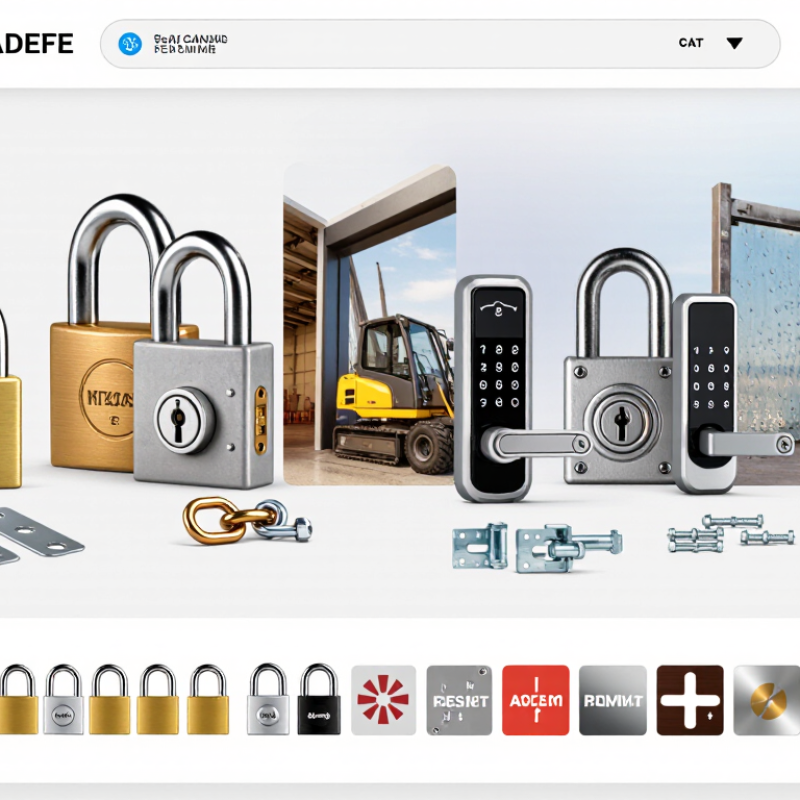
Assess Security Risks, Traffic Volume, and Environmental Exposure
Choose a lock for the site’s actual risks, not just its door. The FBI estimated 847,522 burglary offenses in the United States in 2022, but national figures cannot predict a single property’s risk. Review local incident patterns, access points, and what would be exposed if entry occurred. A storage gate with valuable equipment needs stronger resistance than a low-risk interior door. Small detail, big difference.
Traffic volume affects wear. Count daily openings, including deliveries and staff changes, then compare that use with the lock’s tested duty rating. For bored locks, ANSI/BHMA A156.2 includes a one-million-cycle operational test for Grade 1 products. That benchmark does not apply to every lock type, so check the relevant standard and product documentation. A heavy door that slams can add strain too; cycle counts alone won’t tell the whole story.
Environmental exposure matters just as much. Rain, coastal salt, dust, and temperature swings can corrode parts or make a mechanism stiff. ASTM B117 provides a salt-spray test method for evaluating corrosion resistance, but lab results do not guarantee a specific service life outdoors. Inspect the latch, fasteners, and keyway after installation. I would not assume a “weather-resistant” label fits every site. Choose materials and finishes suited to the exposure, and plan periodic checks where moisture or grit collects.
Choose Between Deadbolts, Padlocks, and Heavy-Duty Latches
A heavy-duty lock should match how a door or gate is used, not just its advertised strength. A deadbolt suits a solid entry door that needs a fixed bolt engaging deeply in the frame. It is often convenient for daily access. Fit matters. A strong bolt cannot compensate for a short strike plate or loose screws. Check the frame and door thickness before buying.
A padlock is more flexible. It works well on a hasp, storage chest, or outdoor gate where a lock must be removed or shared. Look for a hardened shackle and a body that limits exposed space around it. Weather covers help, but water can still collect inside. A closed-shackle design can reduce exposure. Not every gate has room for one.
A heavy-duty latch is useful when quick closing matters, such as on a workshop door or equipment enclosure. Some models accept a separate padlock, combining easy use with added control. Compare the mounting points with the material beneath them; thin sheet metal may bend before the hardware fails. That detail is easy to overlook. I would not choose by weight alone. Consider who uses the door, how often it opens, and whether the lock can be maintained. The right choice may still feel imperfect: convenience, weather resistance, and resistance to tampering rarely peak in the same design.
Compare ANSI/BHMA Grades and Their Cycle-Test Requirements
ANSI/BHMA grades help compare lock strength, but cycle ratings depend on the lock type and applicable standard. For bored locks, ANSI/BHMA A156.2 sets commonly cited endurance benchmarks: Grade 1 is tested for 1,000,000 cycles, Grade 2 for 400,000, and Grade 3 for 200,000. One cycle represents a complete operating sequence, not simply a handle press. These figures describe laboratory testing, not a promised service life. Other tests also assess factors such as security and operational performance.
Match the grade to actual traffic. A busy school entrance or shared commercial doorway may justify Grade 1; a lightly used interior door may not need it. Grade 2 can suit moderate-use areas, while Grade 3 is generally intended for lighter-duty applications. Check the product’s stated standard and edition, since cycle requirements vary across lock categories. A rating alone is not the whole story. Door alignment, closer force, and installation can affect wear, too. I would avoid choosing by cycle count alone; it is an easy number to compare, but not a full picture. Sometimes the door itself is the weak point.
Check UL 437 Cylinder Ratings and ASTM F883 Padlock Tests
A heavy-duty lock should match the attack risks and conditions where it will be used. For a keyed cylinder, check whether the exact model is listed to UL 437. This standard evaluates resistance to attacks such as picking, drilling, and manipulation. A rating is useful evidence, not a promise that a lock cannot be defeated. Confirm the listing applies to the cylinder you are buying, not just a similar product in the same range.
For a padlock, look for test information tied to ASTM F883. The specification covers performance areas such as security, operation, and environmental exposure; the applicable tests depend on the model and edition. Compare those results with the setting: a damp outdoor gate needs corrosion resistance, while a storage-room hasp may need stronger resistance to physical attack. Check shackle clearance and body fit, too. A thick shackle can still leave a weak installation. Standards cannot assess every hasp or mounting point.
Tips: Ask for documentation naming the exact model and test standard. Match the cylinder or padlock to your door, gate, or equipment. Check that the shackle fits without excess space. If the use is critical, get a qualified locksmith to review the whole assembly. Ratings help, but installation deserves a second look.
Confirm Door Fit, Backset, Shackle Clearance, and Installation Needs
How to Choose the Right Heavy Duty Lock for Your Needs?
A lock can be strong and still fit badly. Measure the door thickness, bore diameter, and backset—the distance from the door edge to the knob or cylinder center. Common backsets are 2⅜ and 2¾ inches, but confirm the existing preparation before ordering. Check the door’s handing and material, too. A metal door may need different fasteners from a solid wood one. Measure twice. A few millimeters can leave the latch rubbing or the bolt short of the strike.
For a padlock, compare the shackle’s inside height and width with the hasp or fitting. Leave enough clearance to close it without forcing the shackle against an edge. Then check the body size and the space around the mounting point; a large lock may simply not fit. Small gaps matter. If the lock mounts to a door, confirm the required holes, fasteners, and tools, and check whether the door needs to retain its rated hardware.
Durability ratings can help, but they do not fix a poor fit. ANSI/BHMA A156.2 testing assigns bored locksets performance grades; Grade 1 testing includes one million operating cycles. That is a laboratory benchmark, not a promise of a million trouble-free cycles on every door. Measure the existing setup before choosing a grade. If drilling, door alignment, or replacement hardware is uncertain, ask a qualified installer to check the opening. I would not assume the old holes are centered.