2026 How to Use POF Shrink Tube Bags Effectively?
In today's fast-paced world, packaging plays a vital role in preserving product quality. One key player in this space is the POF Shrink Tube Bag. This versatile packaging solution is known for its durability and effectiveness. It has been widely adopted across various industries.
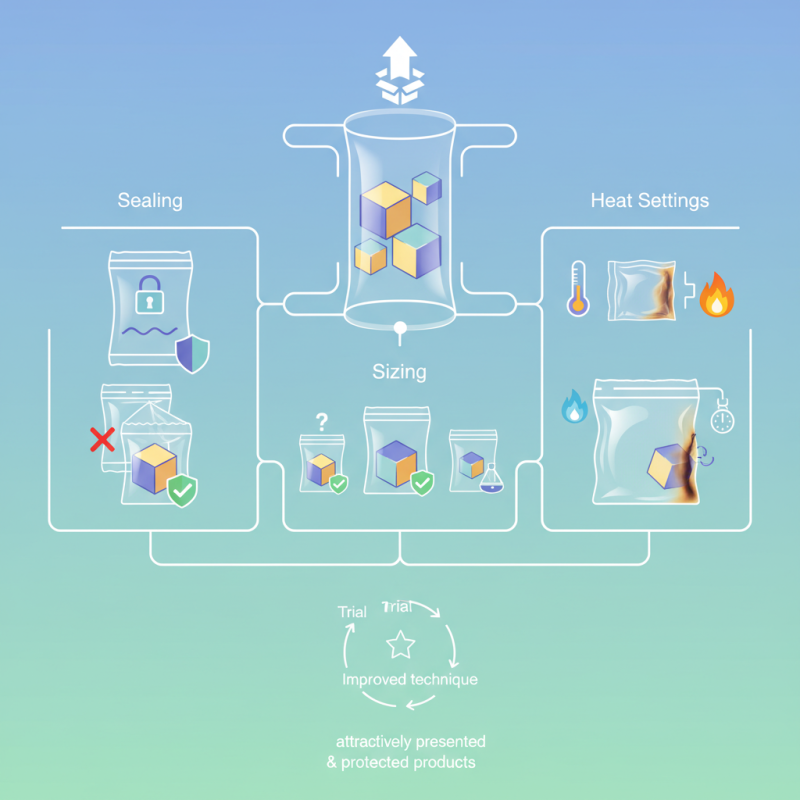
Using POF Shrink Tube Bags effectively requires some insight and practice. Many users underestimate the importance of proper sealing. If the bags are not sealed correctly, products may spoil. This brings us to another challenge: selecting the right size. Not all products fit perfectly in every bag. Additionally, some people struggle with adjusting heat settings on their shrink machines. This can lead to uneven shrinkage.
Yet, with some trial and error, improved techniques can be achieved. Remember, the goal is to protect and present your products attractively. POF Shrink Tube Bags can elevate your packaging when used correctly. Understanding their properties will help avoid common pitfalls and drive better results.
Understanding POF Shrink Tube Bags and Their Benefits
POF shrink tube bags are versatile tools used in packaging. These bags provide excellent protection for various items. They are made from polyolefin, a material that shrinks when heated. This property ensures that the bags tightly wrap around products, offering a neat and secure finish.
One of the primary benefits of using POF shrink tube bags is their durability. They resist moisture and dust, keeping items clean and safe. Additionally, these bags are transparent, allowing customers to see the product inside. This transparency can boost sales by attracting consumers. However, not everyone uses them effectively. Some may find the process of sealing challenging. Experiment with different heat sources to find what works best.
Moreover, improper handling can lead to a waste of materials. Users often overlook the importance of temperature control. If it's too high, bags can become overly brittle. If too low, they may not shrink properly. Finding the right balance is essential for optimal results. Awareness of these factors can enhance the packaging experience significantly.
2026 How to Use POF Shrink Tube Bags Effectively? - Understanding POF Shrink Tube Bags and Their Benefits
| Feature | Description | Benefits | Applications |
| Material | POF (Polyolefin) | Tear-resistant, flexible, and durable | Food packaging, electronics, gifts |
| Heat Shrink Quality | High shrink ratio (50%) | Perfect fit for odd shapes | Retail packaging, art crafts |
| Thickness Options | Available in various thicknesses | Customizable protection levels | Shipping, distribution |
| Environmental Impact | Recyclable material | Reduced carbon footprint | Sustainable packaging solutions |
| Cost Efficiency | Affordable pricing | Cost-effective for bulk packaging | Manufacturing, retail |
Choosing the Right Size and Type of POF Shrink Tube Bags
Choosing the right size and type of POF shrink tube bags is crucial for effective packaging. If the bags are too small, they won't fit your items. Larger bags may lead to excess material waste. It’s essential to measure your items accurately before making a choice. For instance, fragile items like glassware require snug bags to prevent movement.
Different types of POF shrink tube bags cater to various needs. Some are designed for heavy-duty use, while others are lighter for everyday items. Consider the thickness of the bag. A thicker bag provides better protection, but it may take longer to shrink. That’s a balance to think about.
Users often overlook the importance of compatibility with heating tools. Not all bags shrink equally. Some require a higher temperature for effective sealing. Experimenting with different settings can yield imperfect results. You may find that the bag hasn’t shrunk properly or has melted too much. Take notes on what works best for future use.
Step-by-Step Process for Using POF Shrink Tube Bags
Using POF shrink tube bags can be straightforward if you follow a systematic approach. Begin by selecting the right size of the bag for your product. Too large, and the item may shift. Too small, and it won’t fit. Lay the product flat on a clean surface. Ensure it is dry and dust-free. This step is crucial for achieving a smooth shrink.
Next, insert the product into the bag. Take care to create a close fit. You might face challenges here. If the bag is crumpled or misaligned, it won’t shrink evenly. Use a heat source carefully. A heat gun works well, but an oven can be risky. Maintain the right distance to avoid burning. Watch the bag closely as it shrinks. But if it takes too long, you might end up with wrinkles. Always stay attentive during this process.
Once the bag is fully shrunk, let it cool for a moment. Inspect the sealing edges. They should be firm and secure. If not, reheat the bag carefully. It can be frustrating to get it right. You might not achieve perfection on your first try. Don't hesitate to practice. Each attempt teaches you something. Embrace the learning curve with patience.
Usage Statistics of POF Shrink Tube Bags
Tips for Achieving Optimal Sealing with POF Shrink Tube Bags
When using POF shrink tube bags, achieving optimal sealing requires attention to several key factors. Proper heat management is crucial. According to industry studies, a temperature range of 120 to 180 degrees Celsius effectively activates the shrink characteristics of the film. Too much heat can cause burn-through, while too little may lead to inadequate sealing. Keep your heat source consistent to avoid these pitfalls.
Timing also plays a vital role. It's essential to allow the bags sufficient time to shrink completely. A quick seal can lead to loose packaging that may compromise product integrity. Reports indicate that a dwell time of 1 to 3 seconds often yields the best results. However, individual products may require adjustments. Experimentation can be beneficial, but it requires commitment and patience.
Finally, inspect your equipment regularly. A poorly maintained heat tunnel can result in uneven shrinkage. This issue is commonly overlooked but can have significant downstream effects. Regular cleaning and calibration could vastly improve performance. It’s a process of trial and error, but getting it right ensures that your products are securely and attractively packaged.
Common Mistakes to Avoid When Using POF Shrink Tube Bags
Using POF shrink tube bags can be an efficient way to package products, but common mistakes often lead to unsatisfactory results. According to a recent industry report, improper usage can diminish the protective qualities of the bags. Many users fail to check for temperature requirements. If the temperature is too low, shrinkage may be uneven or inadequate. This oversight can lead to wasted materials and time.
Another frequent mistake is not allowing enough space for air to escape. When wrapping items too tightly, bubbles form, leading to an ineffective seal. A study shows that 23% of packaging failures are due to inadequate air removal. To achieve the best outcomes, create ventilation holes or leave slight gaps. This ensures optimal sealing and reduces the risk of package failure.
Additionally, not using the right heat source can lead to inconsistent results. Some users rely on heat guns without proper calibration. This often results in scorch marks or damage. The ideal approach is to use a consistent heat source and monitor the process closely. In fact, reports indicate that over 30% of packaging defects are related to heat application. Being mindful of these common pitfalls can greatly improve the effectiveness of POF shrink tube bags.