What is a Prefabricated Container House Benefits and Uses?
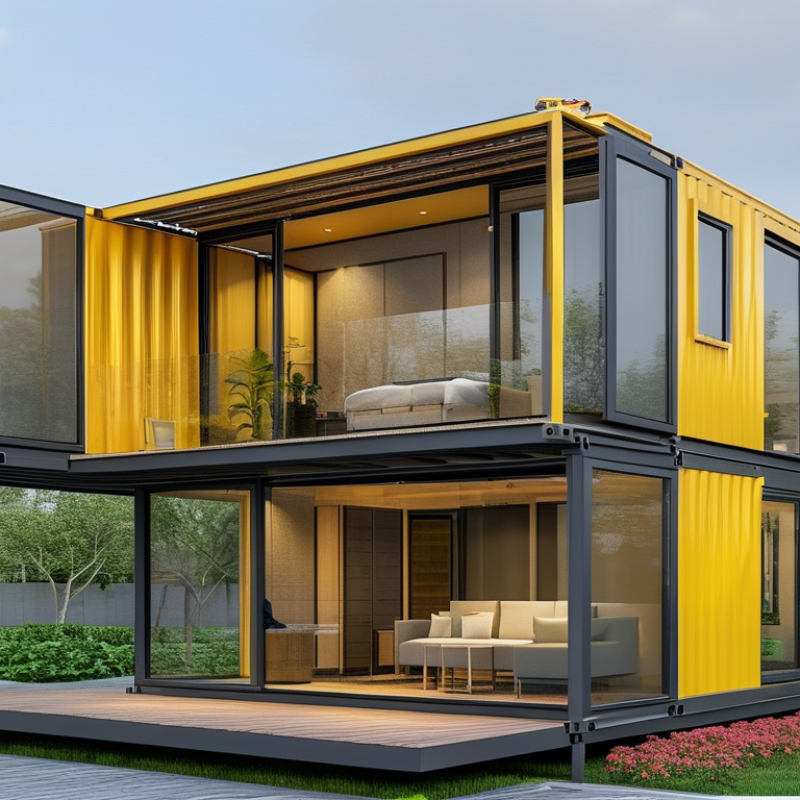
In recent years, the interest in sustainable housing solutions has surged. A Prefabricated Container House stands out as a modern and innovative choice. These homes utilize shipping containers, which are durable and widely available.
The benefits of a Prefabricated Container House extend beyond affordability. They offer quick assembly and flexibility in design. Homeowners can customize their spaces, making each container home unique. Additionally, these structures are eco-friendly, repurposing materials that would otherwise go to waste.
As with any housing option, there are challenges. Local regulations may impose restrictions, and some designs may lack traditional amenities. Yet, for many, the advantages outweigh the drawbacks. Embracing this evolving trend can lead to creative living solutions that redefine modern architecture.
What is a Prefabricated Container House?
A prefabricated container house is a structure made from shipping containers. These houses are gaining popularity due to their unique design and cost-effectiveness. They offer a quick and efficient building solution, appealing to many homeowners and businesses alike. Typically, container homes can be assembled faster than traditional homes, allowing for more flexibility in project timelines.
One key benefit of container houses is their eco-friendliness. Using recycled shipping containers reduces waste in landfills. Additionally, these structures can be modified to include energy-efficient appliances and solar panels. Space is often limited, so creative storage solutions are essential. Consider multi-functional furniture to maximize space efficiency.
Tips for designing your container home include planning for insulation and ventilation. Proper insulation ensures thermal comfort. Ventilation is crucial to prevent condensation. Remember to choose the right location, considering sunlight and wind patterns. Be aware of local building regulations that may affect container construction. Embrace the challenge of creating a unique space that reflects your personality while meeting your needs.
Benefits of Prefabricated Container Houses
Key Benefits of Prefabricated Container Houses
Prefabricated container houses are gaining popularity for various reasons. These structures offer quick and efficient housing solutions. They can be assembled rapidly, saving both time and labor. The design flexibility is another major advantage. Homeowners can customize layouts to suit their needs. They also come in various sizes suitable for different purposes, from small homes to large offices.
One key benefit is sustainability. Using recycled shipping containers reduces waste. This approach is eco-friendly and requires fewer resources compared to traditional construction. Additionally, container homes are often more affordable. The reduced need for extensive foundation work cuts costs. However, insulation and finishing can sometimes be overlooked. It's crucial to ensure proper weatherproofing.
Another aspect is mobility. Container homes are portable. Owners can relocate them easily if needed. However, zoning laws may restrict where they can be placed. It's essential to research local regulations. This way, potential buyers can avoid complications. There’s also the unique aesthetic appeal. The industrial look attracts many. Yet, it might not suit everyone's taste. Adjusting to these challenges can lead to better living experiences.
Common Applications and Uses in Various Industries
Prefabricated container houses are increasingly popular across various industries. They offer a versatile solution for space needs. In construction, for instance, they serve as temporary offices or storage units on-site. The ease of assembly and transport makes them ideal for remote locations.
In the healthcare sector, these units are repurposed as clinics or quarantine facilities. They provide quick setups in emergency situations. The need for timely medical response makes container houses a valuable asset. However, they may lack long-term durability in extreme weather, which is something to consider.
Education facilities have also found utility in prefabricated container houses. They can be transformed into classrooms or libraries. Organizations can quickly expand educational services during high demand. Yet, space limitations and acoustic challenges might arise. Careful planning is crucial to maximize effectiveness and address potential shortcomings.
Cost-Effectiveness Compared to Traditional Building Methods
Prefabricated container houses offer significant cost benefits compared to traditional building methods. These structures are manufactured off-site, reducing material waste and labor costs. By optimizing construction timelines, homeowners save both time and money. This efficiency is appealing to those on a budget or looking for quick housing solutions.
Container houses can be an affordable option for many. The initial savings can be substantial. However, unexpected costs may arise during installation or modification. Planning ahead becomes crucial. Consider weather conditions and site preparation to avoid potential delays. Regular communication with contractors also helps maintain a clear budget.
When choosing this building method, be mindful of zoning regulations. Local laws may influence whether container housing is permitted. Always verify requirements beforehand to avoid costly surprises later. These precautions contribute to a smoother project flow. A well-thought-out strategy enhances the reliability of your investment.
Sustainability and Environmental Impact of Container Homes
Container homes are becoming a popular choice for sustainable living. They utilize recycled shipping containers, significantly reducing material waste. These homes often come with a lower carbon footprint compared to traditional buildings. By repurposing containers, builders conserve resources and energy.
However, the environmental impact isn’t exclusively positive. Container homes can lead to thermal issues without proper insulation. Many opt for quick fixes, compromising energy efficiency. Additionally, the production of containers involves significant energy use. It’s essential to measure the benefits against these concerns. Thoughtful design and construction can mitigate some negative effects.
Water management is another critical aspect of sustainability. Container homes may struggle with proper drainage. Improperly managed systems can lead to water pooling, which affects the structure. Sustainable landscapes around these homes can help absorb rainfall. With mindful planning, the benefits of container homes can be maximized.