Top 5 Tips for Choosing the Best Swimming Pool Brush?
Choosing the right swimming pool brush is essential for maintaining pool hygiene. According to expert Mark Johnson, “A quality brush can make all the difference.” His advice highlights the importance of investing time in selecting the best tool for the job.
When considering a swimming pool brush, factors like material and brush type play a crucial role. The right brush ensures efficient cleaning and prolongs the life of your pool surface. However, with so many options available, making the right choice can feel overwhelming.
Painted surfaces, tile, and vinyl require different brushing techniques. Not all brushes suit every pool type, and using the wrong one might lead to damaging your pool. Reflecting on your specific pool needs is vital. Take the time to analyze which brush fits your requirements best.
Understanding Different Types of Swimming Pool Brushes and Their Uses
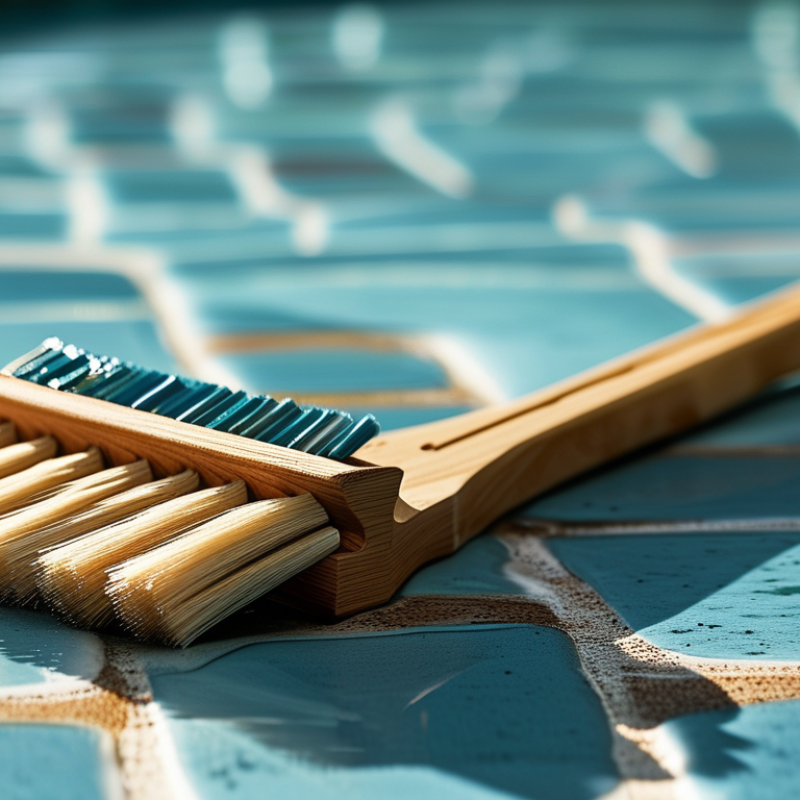
Choosing the right swimming pool brush involves understanding the various types available. Brushes are typically categorized into three main types: nylon, stainless steel, and combo brushes.
Nylon brushes are gentle and ideal for plaster and vinyl pools. They help prevent scratches while effectively removing dirt and algae.
Stainless steel brushes are more aggressive. They work well for concrete and gunite pools but can damage softer surfaces. Use them with caution.
Combo brushes, which blend nylon and stainless steel bristles, offer versatility. They adapt to various pool surfaces, making them practical for mixed material pools.
Consider the size of your pool. A larger brush can cover more area but may be cumbersome to handle. Smaller brushes maneuver easily but require more time for larger pools. Take your pool's surface type and condition into account. Reflect on how often you clean your pool. A more durable brush may save you money in the long run.
Evaluating Materials for Durability and Effectiveness in Pool Brushes
When choosing a swimming pool brush, the material significantly impacts durability and effectiveness. Common choices include nylon, aluminum, and stainless steel. Nylon bristles are gentle yet effective for regular cleaning. They prevent scratching on vinyl and fiberglass pools but may wear out faster with heavy use. Those needing more muscle may opt for tougher materials like stainless steel. While robust, they can damage delicate surfaces if not used carefully.
Recent industry reports highlight that aluminum brushes offer a balance. They resist rust and corrosion while providing strength. For example, a study indicated that aluminum brushes last 30% longer than nylon in harsh conditions. However, users must ensure their pool surface can handle the abrasive quality of aluminum. Durability is critical, but effectiveness hinges on the right match for your pool type.
While many focus solely on price, material choice can denote quality. Improper selection may lead to quicker wear or insufficient cleaning. Evaluating the specific needs of your pool is vital. Consider the surface's sensitivity alongside debris types. Ignoring these factors can lead to dissatisfaction, requiring frequent replacements or additional cleaning efforts.
Considering Brush Size and Shape for Various Pool Surfaces
When choosing the right swimming pool brush, size and shape play crucial roles. For tiled or concrete surfaces, a stiff-bristled brush is the best option. The bristles can effectively dislodge debris and algae. However, if you have a vinyl pool, softer bristles are essential. They prevent scratching and maintain the pool liner's integrity.
Consider the brush shape as well. A flat brush works well on wide surfaces like floors. In contrast, a curved brush is ideal for corners and edges. This allows for better maneuverability. You might find it challenging to clean those hard-to-reach areas with a flat brush. It's worth noting that not all brushes reach the same level of efficiency. A brush that fits snugly into corners minimizes cleaning time and effort.
Don’t overlook the benefits of size. A long-handled brush may seem appealing for deep pools. Yet, it can be cumbersome in shallower areas. Experimenting with different sizes can help you find what works best. Investing time in finding the right combination will save you frustration in the long run. The goal is to make pool maintenance efficient and effective. Reflect on your specific needs, and choose accordingly.
Assessing Bristle Firmness for Efficient Cleaning Without Damage
When choosing a swimming pool brush, bristle firmness plays a crucial role in effective cleaning. Soft bristles are ideal for delicate surfaces like fiberglass. They help prevent scratches and damage while gently removing dirt and algae. If you have a concrete pool, stiffer bristles might be necessary. They can tackle tougher debris but may require more caution to avoid harming the surface.
Consider the brush's design and intended use. Not all brushes excel on every surface. A well-balanced brush is easier to maneuver and can reduce strain on your wrists. Sometimes, users choose a brush that is too stiff or too soft for their specific needs. This can lead to ineffective cleaning or damage. It's vital to assess what your pool requires before making a choice. Think about your cleaning habits and the types of debris common in your area. Understanding these factors will help you select the right brush.
Budgeting Wisely: Finding Quality Brushes at Different Price Points
When it comes to choosing the right swimming pool brush, budgeting wisely is essential. Quality brushes can vary significantly in price. A recent industry report shows that pool brushes range from $10 to over $100. It's vital to understand what you are paying for. Brushes at the lower end often compromise on durability and effectiveness. However, more expensive options must be justified by their features, materials, and longevity.
Many users have reported that investing a little more upfront can save money down the line. A reliable brush reduces maintenance costs. According to survey data, about 70% of pool owners who opted for premium brushes noted better cleaning performance. They also found fewer issues with algae buildup. This highlights the importance of quality over mere affordability.
Not every expensive brush is the best choice for every pool type. Some brushes are designed for specific surfaces. Always consider your pool's material before buying. Users often overlook this aspect, resulting in subpar performance. Reflecting on these details can greatly improve your overall pool maintenance experience.