
China Top 10 Cosmetic Bottle Manufacturers for Buyers

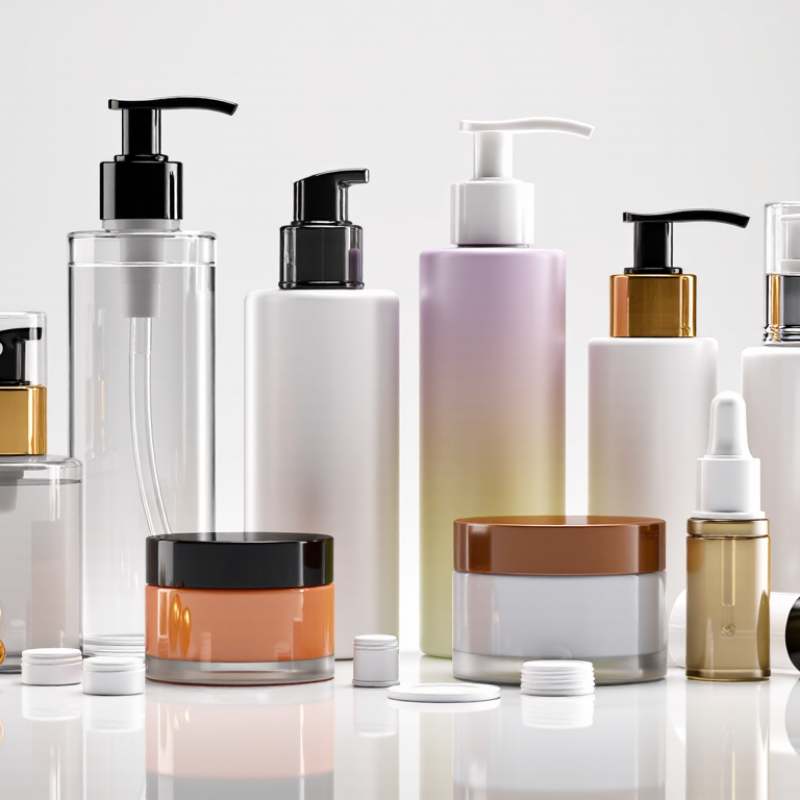
Choosing among China’s top 10 cosmetic bottle manufacturers takes more than comparing prices or browsing polished product photos. Buyers need to examine material options, bottle capacity, closure compatibility, decoration methods, production flexibility, and communication. A glass bottle may feel substantial in the hand, while a lightweight plastic bottle can suit a different product and shipping plan. Small details matter. A mismatched pump or loose cap can create problems that a showroom sample will not reveal.

Packaging expert Walter Soroka describes packaging as “the science, art, and technology of enclosing or protecting products for distribution, storage, sale, and use.” That perspective is useful when assessing a Cosmetic Bottle supplier: appearance matters, but so do protection, usability, and consistent production. This guide introduces ten Chinese manufacturers and outlines practical questions buyers can ask about samples, customization, quality checks, and lead times. It also considers how suppliers handle design changes and order requirements, rather than treating a catalog as proof of capability. No shortlist removes every compromise. Even so, clear specifications and careful sample reviews can help buyers make a more informed choice. Some details are easy to overlook. A bottle’s finish, weight, and dispensing feel may seem minor until customers use it every day.
China Top 10 Cosmetic Bottle Manufacturers for Buyers

Understanding China's Cosmetic Bottle Manufacturing Industry

China’s cosmetic bottle manufacturing industry serves a wide range of product needs, from lightweight travel containers to thick-walled glass jars. Production often brings together mold making, material processing, surface decoration, and assembly. Common materials include PET, PP, and glass, each offering different weight, clarity, and barrier properties.

Details matter. A bottle’s neck finish must match its pump or cap, while wall thickness affects both durability and shipping weight.

For buyers, evaluating a factory means looking beyond attractive samples. Ask how it checks dimensions, color consistency, closure fit, and leakage across production runs. A polished sample can still mislead. Request specifications and inspection records, and clarify mold ownership, minimum order quantities, and expected lead times before confirming an order.

Samples help. Yet testing bottles with the intended formula and dispensing parts can reveal fit or compatibility issues early. Decoration choices, such as screen printing or hot stamping, may also affect cost and production timing.

These checks take time, and smaller suppliers may not document every process consistently. That gap deserves attention, not an assumption of poor quality.


Key Criteria for Evaluating Cosmetic Bottle Manufacturers

Choosing among China’s cosmetic bottle manufacturers starts with the formula, dispensing method, and target market. Ask whether a supplier works with glass, PET, PP, or other suitable materials. Request samples in your intended size. Check the neck finish, closure fit, wall thickness, color consistency, and decoration durability. A bottle may look polished but still leak after repeated opening. Test it yourself.

Review how the manufacturer controls quality during production. Ask for documented inspection steps, sample test records, and details about how defects are handled. Confirm capacity, minimum order quantities, tooling costs, and realistic lead times in writing. If possible, visit the factory or arrange an independent inspection. A polished presentation is useful, but it is not proof of consistent production. Even a detailed checklist can miss issues that appear only after filling or shipping, so leave room for a pilot order.

Tips: Fill samples with your product and store them upright and on their sides. Check for leaks, odor changes, label lifting, and pump performance. Record what fails, even if the sample seems nearly perfect.

Profiles of 10 Leading Cosmetic Bottle Manufacturers in China

China’s cosmetic bottle manufacturers serve a market shaped by changing pack formats and sustainability demands. Grand View Research estimated the global cosmetic packaging market at about US$34.3 billion in 2022, with projected annual growth of 5.5% through 2030. This is a market estimate, not a guarantee of demand for any supplier. For buyers, the ten profiles are most useful when they compare capabilities, rather than simply production scale.

Look closely at each manufacturer’s bottle materials, molding methods, decoration options, and quality checks. A glass specialist may suit heavier fragrance packaging, while a PET or PP producer may offer lighter containers for lotions and cleansers. Ask for neck-finish drawings, pump dosage samples, and leakage-test results. Small details matter. A cap that looks right in a catalog can still loosen during transit. Also check minimum order quantities, mold ownership, sample lead times, and traceability for recycled content. These points help distinguish verified production experience from broad sales claims.

The profiles should not be treated as a perfect ranking. Public information rarely reveals defect rates, factory utilization, or the consistency of subcontracted work. Smithers’ packaging research also tracks the sector’s movement toward more sustainable materials, but recyclable design depends on local collection and sorting systems. Request current test records and written specifications before approving a production run. A factory visit can help, though one visit cannot confirm long-term quality.

Comparing Materials, Customization, and Production Capabilities

Choosing among China’s top cosmetic bottle manufacturers means comparing more than unit price. Glass provides a sturdy, premium feel, while PET and other plastics can reduce shipping weight and resist breakage. Resin grade, color, and recycled content may affect clarity and decoration. Small details matter. Check wall thickness, neck finish, shoulder shape, and pump fit against your formula and filling line.

Eurostat reported that the EU generated 186.5 kilograms of packaging waste per person in 2022, with plastic making up 19.4 percent. This covers all packaging, not cosmetics, but it makes material efficiency a practical sourcing question.

Judge customization by repeatability, not by a polished sample. Ask whether color matching, screen printing, hot stamping, frosting, and custom molds are handled in-house or subcontracted. Subcontracting is not automatically a problem, but extra handoffs can complicate schedule control. Compare tooling ownership, mold-change fees, minimum order quantities, and approval samples before committing to a large order. Verify production capability through output by line, inspection frequency, leak and drop tests, dimensional tolerances, and batch records. Request pilot-run evidence. Capacity claims can be fuzzy. One trade-off: heavy decoration may complicate recycling, depending on coatings, labels, and local sorting systems.

Source: Eurostat, “Packaging waste statistics,” 2024.

Supplier Verification and Purchasing Considerations

A shortlist of China-based cosmetic bottle manufacturers should be verified at factory level, not judged by a polished catalogue. Request the registered company name, production-site address, business scope, and current quality certificates. Check certificate validity and scope with the issuing body; a certificate alone does not prove that the quoted factory makes your bottle. Ask for recent inspection records, material specifications, and traceability examples. Paper is not proof. Arrange a live video walkthrough or an independent audit, then compare the site’s molding, printing, and packing processes with your order requirements.

Test production-representative samples before approving tooling or a large purchase. Check neck dimensions, cap fit, leakage, surface finish, and color consistency under the same lighting. Record acceptable tolerances in the purchase specification, and agree how defects, replacements, and delivery delays will be handled. OECD’s 2022 Global Plastics Outlook reports that packaging represented about 40% of global plastic waste in 2019. That figure is not specific to cosmetics, but it makes material claims worth checking: request resin documentation and confirm whether recycled-content statements apply to the exact bottle. UNEP’s 2023 Turning off the Tap report models an 80% reduction in plastic pollution by 2040 through system-wide changes. It is a scenario, not a supplier guarantee. I would still ask for evidence, and admit that reviewing every file can be tedious.

China Top 10 Cosmetic Bottle Manufacturers for Buyers - Supplier Verification and Purchasing Considerations
No. Supplier Category Typical Product Focus Supplier Verification Checks Purchasing Considerations
1 Glass cosmetic bottle manufacturers Glass bottles and jars for skincare, fragrance, and makeup products. Confirm the manufacturing site, glass specifications, dimensional tolerances, and available quality-inspection records. Request samples to check finish, appearance, and fit with closures. Confirm glass type, capacity, neck finish, packing method, breakage allowance, and whether decoration is performed in-house or by a subcontractor.
2 PET bottle manufacturers Lightweight plastic bottles commonly used for lotions, cleansers, and other personal-care products. Request material specifications and sample bottles. Check dimensions, wall consistency, closure fit, and compatibility with the intended formula through appropriate testing. Specify resin and color requirements, bottle weight, recycled-content requirements if applicable, and packaging for transport. Verify any food-contact or other compliance claims against the intended use and destination market.
3 HDPE and PP packaging manufacturers Plastic bottles, containers, and closures made from common packaging polymers. Confirm the material for each component, request technical data, and test the complete package with the product. Inspect closure fit and conduct suitable leak tests. Check chemical compatibility, opacity or color requirements, closure options, minimum order quantity, and whether the quoted price includes caps or liners.
4 Airless packaging system manufacturers Airless bottles and dispensing components for creams, serums, and lotions. Test the bottle, pump, and formula together. Verify priming, dispensing performance, residual product, and leakage under the buyer’s handling and transport conditions. Confirm usable capacity, actuator and closure options, component material, refillability claims if relevant, and whether system parts are interchangeable.
5 Fine-mist spray bottle manufacturers Spray bottles and mist pumps used for facial sprays, hair products, and similar liquids. Request samples and assess spray pattern, output consistency, priming, and leakage. Confirm that the pump materials are suitable for the formula. Agree on pump output, dip-tube length, bottle neck finish, cap style, and packaging protection. Test the filled package before approving production.
6 Lotion pump bottle manufacturers Bottles paired with lotion pumps for creams, lotions, and liquid skincare products. Check pump function, dosage consistency, lock or clip mechanism, dip-tube fit, and leakage using representative samples and product. Specify pump dosage, bottle capacity, closure finish, color matching, and whether pumps and bottles are supplied as a tested set.
7 Dropper bottle manufacturers Bottles with dropper assemblies for serums, oils, and other products dispensed in small quantities. Verify dropper and bottle fit, bulb and pipette materials, dispensing behavior, and leakage or product-contact compatibility through testing. Confirm pipette length, dropper style, bottle capacity, neck finish, and whether the closure provides the required tamper evidence.
8 Cosmetic jar and closure manufacturers Jars, lids, liners, and related packaging for creams, masks, balms, and solid products. Check jar and lid fit, thread or closure dimensions, liner suitability, and sealing performance. Review samples for defects and consistency. Specify jar material, capacity, inner seal or liner, lid style, and packing configuration. Consider how the package will be filled and used by the customer.
9 Custom decoration and finishing suppliers Printing, coating, labeling, and other surface-finishing services for cosmetic containers. Clarify which processes are performed at the supplier’s own facility and which are subcontracted. Approve production samples and test decoration adhesion and durability. Confirm artwork files, color standards, print area, finish, decoration tolerances, lead time, and responsibility for rework or rejected decorated parts.
10 OEM and integrated packaging suppliers Suppliers coordinating multiple packaging components or providing custom development and production services. Verify the legal entity, actual production locations, quality-control process, subcontracting arrangements, and traceability of supplied components. Request a written specification, itemized quotation, sample-approval process, production schedule, inspection terms, and clear allocation of tooling and intellectual-property ownership.
Note: These are supplier categories, not named companies or a verified ranking. Confirm each supplier’s actual manufacturing location, capabilities, documentation, and product suitability before placing an order. Test the complete package with the intended formula and destination-market requirements.

Stay Connected

Sign up today to keep up with the newest information from one of the Southeast’s leading suppliers of fluid handling equipment!