

For global buyers, selecting a Panko Manufacturer involves more than comparing prices. Crisp texture, clean flavor, and stable sizing influence frying results across different kitchens. A reliable supplier should show practical production experience, documented quality controls, and transparent ingredient sourcing. Buyers also need evidence, not polished promises. Factory photographs help. Independent audits help more. Product samples reveal the truth.
This guide examines ten Panko manufacturers serving international markets. It considers flour quality, crumb structure, moisture control, allergen management, and production capacity. Packaging deserves equal attention. A strong product can lose its value through weak bags, poor sealing, or long transit exposure. Export experience matters. So does communication. Can the manufacturer provide specifications, test reports, and responsive support when a shipment changes?
The list is designed for importers, foodservice distributors, retailers, and industrial food producers. Each company should be judged against its intended application, volume, and destination requirements. No supplier is perfect. Even an experienced Panko Manufacturer may face seasonal pressure, minimum-order limits, or inconsistent customization. That is worth admitting. Buyers should request current samples, verify certifications, and test performance in their own recipes. The best choice is rarely the loudest name. It is the partner that performs consistently, explains limitations clearly, and earns trust shipment after shipment.
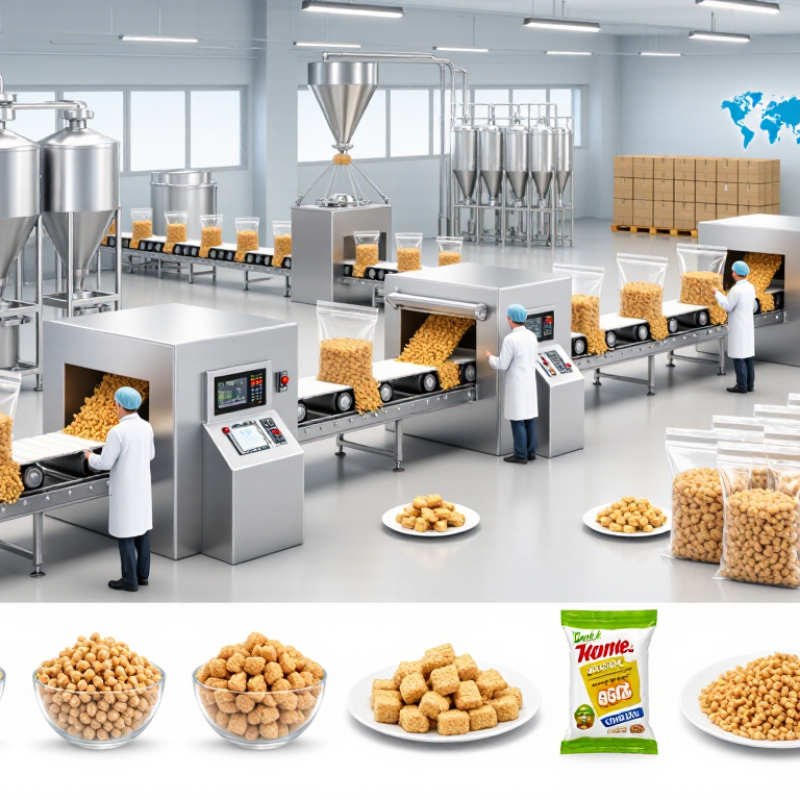
Panko is a Japanese-style breadcrumb made from bread with a light, open structure. Its flakes are larger and airier than ordinary breadcrumbs. This shape creates a crisp surface when baked, fried, or toasted. Texture matters. Panko usually absorbs less oil, although results depend on cooking temperature, coating thickness, and the food’s moisture.
Global buyers use panko for seafood, poultry, vegetables, croquettes, and prepared meals. The flakes provide visible coverage and a pleasant crunch without making the coating feel too dense. Food manufacturers also value its consistent particle size. A stable specification supports repeatable production across different factories and seasons. However, panko is not a magic solution. Poor storage can soften the flakes, while excessive moisture can reduce crispness before cooking.
When comparing the top 10 panko manufacturers, buyers should examine more than price. Useful checks include wheat origin, ingredient declarations, allergen controls, moisture limits, particle size, packaging strength, and batch traceability. Samples should be tested in the buyer’s actual recipe, not only in a supplier’s demonstration. Small differences matter. A coating may look crisp for five minutes, then lose structure inside sealed packaging. Buyers should also confirm production capacity, export documentation, shelf-life testing, and quality records. Some specifications appear impressive on paper but remain unclear during commercial trials. A careful review should leave room for adjustment.

Selecting among the top 10 panko manufacturers requires more than comparing prices. Buyers should inspect flour sources, frying controls, particle size, and allergen handling. A reliable factory can show recent microbial, moisture, and foreign-material test results. It should also explain how each batch is traced from raw materials to shipment.
Production capacity needs practical verification. Ask for samples from different lots, not one perfect carton. Compare color, flake size, oil absorption, and crunch after baking or frying. Grand View Research has projected continued growth in the global breadcrumbs market, with demand supported by foodservice and convenience products. Growth can hide weak suppliers, however. Larger output does not automatically mean consistent quality. ISO’s Survey of Management System Standard Certifications reports more than one million ISO 9001 certificates worldwide, but certification alone cannot replace an on-site audit.
Tips: Request a complete specification sheet. Check moisture limits, packaging strength, shelf life, and storage temperature. Review the manufacturer’s recall history and corrective-action records. Confirm whether production lines handle wheat, sesame, dairy, or other allergens. Codex food hygiene guidance supports risk-based controls, yet local import rules may require additional documents. Leave room for doubt. A polished audit file can still miss seasonal variation, damaged bags, or delayed laboratory testing. Test the product in your own kitchen or plant before signing a long-term contract.
Global buyers often compare the top 10 panko manufacturers by market profile, not production volume alone. Some focus on high-volume foodservice orders, while others serve retail packs and private-label projects. Their differences appear in flake size, frying performance, moisture control, and export flexibility. Experienced buyers usually request samples before signing contracts. A golden crust means little if the coating softens during delivery.
Leading manufacturers may offer standard, coarse, colored, or seasoned panko varieties. Their profiles also reflect regional demand. Asian suppliers often emphasize traditional texture, while other producers develop formulas for frozen foods, seafood, and plant-based products. Reliable facilities should show documented quality systems, allergen controls, batch testing, and traceability records. Importantly, verify production capacity during peak seasons. Capacity claims can sound impressive.
Tips: Compare at least three samples under your actual cooking conditions. Check oil absorption, crunch retention, bag strength, and shelf-life data. Ask about minimum order quantities, lead times, container loading, and backup supply plans. Confirm whether the manufacturer can adjust particle size without changing texture. Small details matter. A supplier may meet the specification but still miss your preferred color or mouthfeel. I have found that clear written standards prevent more problems than friendly promises. Still, no checklist catches everything, so periodic inspections and independent testing remain sensible for international purchasing.
Top 10 Panko Manufacturers for Global Buyers: Comparing Quality, Certifications, and Production Capacity
Quality differences often appear in the fryer, not on the product sheet. Experienced buyers should check flake size, moisture, color stability, oil absorption, and breakage after transport. A useful trial measures crispness after five, ten, and twenty minutes. Small details matter. The FAO reports that 14% of food is lost between harvest and retail. Strong packaging and controlled moisture can reduce avoidable waste. However, laboratory results may not match factory performance. Buyers should request batch records and recent retention samples.
Certifications provide stronger evidence than marketing claims. Compare HACCP plans, ISO 22000 certification, allergen controls, traceability testing, and independent audit results. ISO’s 2023 Survey shows that food-safety certification remains widely adopted across global supply chains. Still, a certificate does not prove consistent panko quality. Ask for audit scope, certificate validity, corrective-action records, and testing frequency. Production capacity also needs careful review. Request daily output, minimum order quantities, backup lines, seasonal limits, and actual export volumes. A large facility may still struggle with urgent orders.
Tips: Test at least three production lots before approval. Inspect flakes under bright light. Check moisture after opening the carton. Confirm whether capacity means installed equipment or available capacity. I would also ask for a factory video call, though this is not a substitute for an audit. Perfect documentation can hide practical weaknesses. Suppliers should explain them clearly.
| Profile | Primary Production Region | Main Panko Formats | Indicative Annual Capacity | Particle Size Range | Typical Quality Controls | Common Certifications | Export Capability | Best Fit for Global Buyers |
|---|---|---|---|---|---|---|---|---|
| Profile 01 | Japan | White, golden, fine, coarse, gluten-free | 5,000–15,000 metric tons | 0.5–8 mm | Moisture, color, bulk density, crispness, microbiology | FSSC 22000 or ISO 22000, HACCP, Kosher, Halal | Strong container-load and private-label support | Premium retail, foodservice, and Japanese cuisine applications |
| Profile 02 | United States | Traditional, whole-wheat, seasoned, gluten-free | 15,000–40,000 metric tons | 0.8–10 mm | Allergen control, metal detection, sieve analysis, oil absorption | BRCGS or SQF, FDA compliance, Kosher, Halal | High-volume North American and international distribution | Large food manufacturers and industrial breading systems |
| Profile 03 | Thailand | White, yellow, Japanese-style, seasoned | 10,000–30,000 metric tons | 1–12 mm | Frying performance, moisture migration, microbiological testing | BRCGS, HACCP, ISO 22000, Halal | Established access to Asia-Pacific, Europe, and North America | Private-label, foodservice, and seafood processors |
| Profile 04 | China | Standard, coarse, colored, seasoned | 20,000–60,000 metric tons | 0.5–15 mm | Incoming flour checks, moisture, particle distribution, foreign-material control | HACCP, ISO 22000, BRCGS, Halal | High-volume export and flexible packaging formats | Cost-sensitive buyers requiring scalable supply |
| Profile 05 | South Korea | White, extra-crispy, seasoned, gluten-free | 5,000–20,000 metric tons | 1–10 mm | Texture testing, frying color, allergen segregation, shelf-life testing | FSSC 22000, HACCP, Halal, Kosher | Reliable regional exports with customized formulations | Asian prepared foods, frozen foods, and premium foodservice |
| Profile 06 | The Netherlands | White, golden, organic, gluten-free | 3,000–12,000 metric tons | 0.8–10 mm | Organic segregation, moisture, microbiology, traceability, packaging integrity | BRCGS, IFS, EU organic, Kosher, Halal | Efficient European distribution and multilingual documentation | EU retail, organic products, and premium manufacturers |
| Profile 07 | Italy | Fine, coarse, seasoned, gluten-free | 2,000–10,000 metric tons | 0.5–8 mm | Crumb consistency, allergen management, moisture, sensory evaluation | IFS or BRCGS, HACCP, EU compliance, Kosher | Short lead times within Europe and flexible smaller batches | Specialty food, retail, and European prepared-food producers |
| Profile 08 | Brazil | Standard, coarse, seasoned, cassava-based alternatives | 5,000–18,000 metric tons | 1–12 mm | Moisture, microbiology, frying stability, raw-material traceability | BRCGS, FSSC 22000, HACCP, Halal | Competitive access to Latin America and selected overseas markets | Regional foodservice and poultry, seafood, and snack processors |
| Profile 09 | Vietnam | White, golden, coarse, seasoned | 4,000–15,000 metric tons | 1–12 mm | Moisture, frying color, pathogen testing, foreign-material inspection | HACCP, ISO 22000, BRCGS, Halal | Growing export capability with competitive ocean freight options | Seafood, poultry, frozen-food, and Asian cuisine applications |
| Profile 10 | Australia | Traditional, wholegrain, gluten-free, seasoned | 2,000–8,000 metric tons | 0.8–10 mm | Grain traceability, moisture, microbiology, allergen and gluten control | BRCGS, HACCP, Halal, Kosher, country-of-origin compliance | Strong domestic supply and Asia-Pacific export coverage | Premium, traceable, and specialty-diet product lines |
Selecting the right panko supplier requires more than comparing price per carton. Review ingredient consistency, particle size, moisture control, and production capacity. A reliable manufacturer should provide recent certificates, allergen controls, traceability records, and microbial test results. The Codex General Principles of Food Hygiene, CXC 1-1969, supports documented hazard controls throughout processing. Ask for batch samples, not only product brochures.
Logistics also deserve close attention. The FAO reports that 13.2% of food is lost between harvest and retail globally. Panko can absorb moisture during storage or transit, losing its crisp texture. Check inner packaging, container loading practices, humidity protection, and typical lead times. Request data for water activity, shelf life, and carton compression. The World Health Organization estimates that contaminated food causes 600 million illnesses annually. Supplier verification is therefore a practical duty, not paperwork.
Tips: Build a weighted scorecard before contacting the top ten manufacturers. Give food safety and consistency more weight than the lowest quote. Compare three production batches under the same frying test. Ask how the supplier handles complaints and recalls. Audit evidence matters more than confident promises. Still, no scorecard is perfect; a supplier may pass an audit yet struggle during seasonal demand. Recheck performance after the first shipment, especially when delivery routes, flour sources, or packaging materials change. WHO food safety estimates and FAO loss data provide useful context, but buyers should also validate local regulations and customer requirements.
Sign up today to keep up with the newest information from one of the Southeast’s leading suppliers of fluid handling equipment!