Top 10 Benefits of Drip Irrigation System for Global Buyers?
The drip irrigation system is revolutionizing agriculture worldwide. According to industry reports, this method can enhance water efficiency by up to 90%. This is crucial in a world facing increasing water scarcity. Traditional irrigation methods often lead to significant water waste. In contrast, drip irrigation delivers water directly to the plant roots, minimizing evaporation and runoff.
Research indicates that farmers using drip irrigation can achieve yields of up to 50% higher compared to traditional methods. This is particularly important as global food demand continues to rise, expected to reach 9.7 billion by 2050. Drip irrigation reduces fertilizer use by 40%, allowing for sustainable farming practices. It helps conserve soil health and prevents salinization, a pressing issue in many farming regions.
However, the adoption rate remains uneven. Many small-scale farmers face challenges in accessing the technology or understanding its benefits. This reflects a need for better education and support systems. As global buyers explore efficient farming solutions, the drip irrigation system stands out, providing not just benefits but also challenges to address collectively.
Advantages of Drip Irrigation for Water Conservation in Agriculture
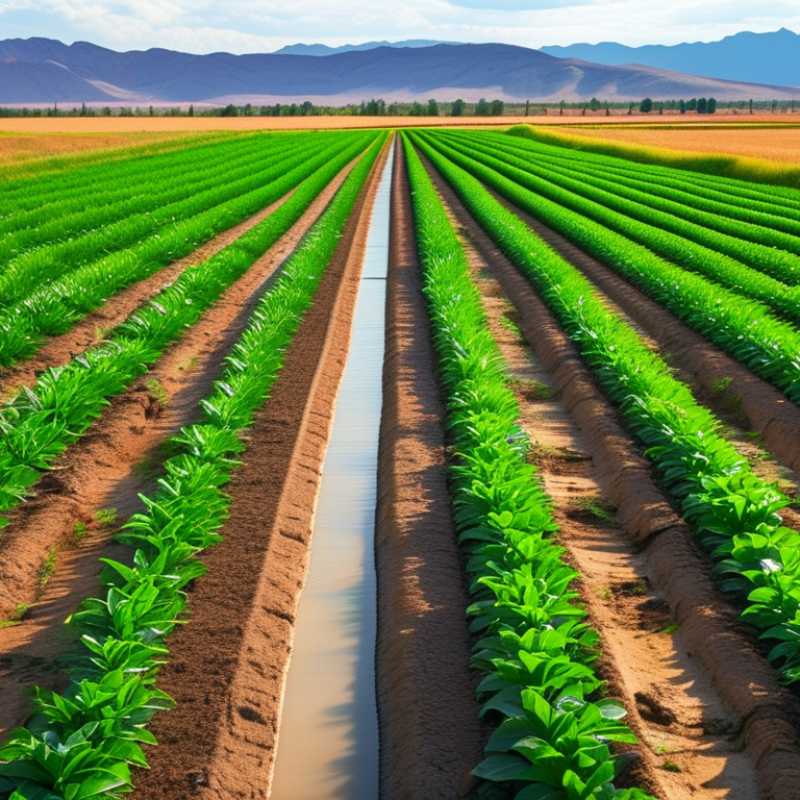
Drip irrigation systems revolutionize water management in agriculture. They deliver water directly to plant roots, maximizing water efficiency. This method reduces evaporation and runoff, making it ideal for arid regions. Farmers can save up to 50% more water compared to traditional methods. This precision helps maintain soil health and improves crop yields.
However, implementing drip irrigation does come with challenges. Initial setup costs might deter some farmers. Maintenance is crucial, as clogged emitters can disrupt water flow. Education on proper use is vital for long-term success. The benefits far outweigh the difficulties when managed correctly. Not all crops respond the same way, requiring careful monitoring. Adapting the system to specific crop needs is essential for effective water conservation.
In addition to conserving water, drip irrigation minimizes weed growth. This reduces the need for herbicides, promoting healthier ecosystems. The targeted approach also leads to better nutrient uptake. Farmers must continuously evaluate their systems to ensure optimal performance. Reflecting on these aspects encourages proactive adjustments. Engaging with experts can further enhance the system's efficiency and effectiveness.
Enhanced Crop Yield Through Precision Watering Techniques
Drip irrigation systems are revolutionizing the way we approach agricultural water management. By delivering water directly to the plant roots, these systems ensure that crops receive precise amounts of moisture. This targeted watering minimizes waste and promotes healthier growth. With proper implementation, farmers can see significant increases in crop yield.
One of the key advantages of drip irrigation is its efficiency. Less water is lost to evaporation or runoff. This method allows for consistent soil moisture levels, reducing stress on plants during dry periods. However, farmers must regularly check the system for clogs and ensure it is functioning optimally. Failure to do so can counteract the benefits and waste resources.
Moreover, precision watering enhances nutrient uptake. When water is applied correctly, it aids in dissolving nutrients in the soil. This means crops can absorb what they need more effectively. Yet, farmers must be cautious about over-fertilization, as this can lead to nutrient runoff and environmental harm. Balancing water and nutrient management is crucial for sustainable farming practices.
Reduced Labor and Maintenance Costs Associated with Drip Systems
Drip irrigation systems are transformative for farmers, particularly in managing labor and maintenance costs. These systems deliver water directly to the plant roots, resulting in higher efficiency. Consequently, fewer workers are needed to monitor and manage watering schedules. In regions where labor shortages are common, this system can provide significant relief. Automated controls further minimize the time spent on irrigation tasks.
Maintenance of drip irrigation is typically straightforward. Regular checks on emitters and lines can prevent clogs and leaks. However, users might initially find it necessary to invest in training. Understanding the system's components is crucial for efficient operation. This learning curve can be a hurdle. Yet, proper maintenance extends system longevity, ultimately reducing costs over time.
Farmers often see an immediate impact on water usage. With less evaporation and runoff, resources are used more judiciously. Balancing the upfront investment can take time, but the long-term savings are substantial. Drip irrigation encourages thoughtful water management and reflects a commitment to sustainable practices. It's a journey of adaptation, learning, and ultimately, efficiency.
Top 10 Benefits of Drip Irrigation System for Global Buyers
| Benefit |
Description |
Monthly Savings ($) |
Maintenance Frequency (Months) |
| Water Efficiency |
Delivers water directly to the root zone, minimizing evaporation. |
$50 |
6 |
| Reduced Labor Costs |
Less manual labor required for irrigation, freeing up time for other tasks. |
$200 |
12 |
| Improved Crop Yield |
Consistent moisture levels lead to healthier plants. |
$100 |
9 |
| Fertilizer Efficiency |
Fertilizers can be applied directly through the system, minimizing waste. |
$30 |
12 |
| Sustainability |
Less water usage is more sustainable for the environment. |
$70 |
6 |
| Versatility |
Suitable for various crops and agricultural setups. |
$40 |
8 |
| Reduced Weed Growth |
Water only where needed, limiting growth of weeds. |
$25 |
5 |
| Disease Control |
Reduced leaf wetness lowers the risk of fungal diseases. |
$15 |
6 |
| Easy to Install |
Installation requires minimal tools and expertise. |
$10 |
4 |
| Low Energy Consumption |
Drip systems use less energy compared to traditional irrigation. |
$20 |
12 |
Minimizing Weed Growth and Fertilizer Runoff with Targeted Irrigation
Drip irrigation systems are a powerful way to manage water efficiently. They target roots directly, minimizing excess moisture in surrounding areas. This precise watering reduces weed growth significantly. Weeds thrive in wet soil, but targeted irrigation minimizes their chances for survival.
The reduction of unintended water runoff is another key benefit. Traditional irrigation often leads to fertilizer loss. Fertilizers wash away with excess water, harming nearby ecosystems. By using drip systems, water application is localized. This allows fertilizer to stay where it is needed most—at the plant roots. Healthier plants can grow without competing for nutrients with weeds.
When implementing a drip irrigation system, consider soil testing for nutrient levels. Understanding your soil can help optimize fertilizer application. Also, monitor your system for leaks or blockages. Regular checks ensure efficiency and sustainability. With these practices, growers can achieve better yields while respecting the environment.
Improved Soil Health and Crop Resilience from Drip Irrigation Practices
Drip irrigation has transformed agriculture by enhancing soil health and crop resilience. This system delivers water directly to plant roots, minimizing evaporation and runoff. As a result, soil retains more moisture and nutrients. Healthy soil supports beneficial microorganisms, which are essential for nutrient cycling. Farmers notice improved crop yields and better quality produce.
The precise watering that drip irrigation provides reduces water stress on plants. This leads to stronger roots and healthier foliage. Resilient crops can withstand diseases and pests more effectively. Farmers often share anecdotes of how their crops thrived even in challenging weather conditions. These first-hand experiences showcase the practical advantages of adopting drip irrigation.
Nonetheless, implementing this system requires thoughtful planning. Some farmers face initial challenges in setup costs and technical knowledge. It's a learning curve for many, leading to reflections on the long-term benefits. Investing time and resources into drip irrigation can yield significant returns for soil and crops. The positive outcomes often outweigh early struggles.
Top 10 Benefits of Drip Irrigation System for Global Buyers