2026 Top Ceremonial Matcha Suppliers for Global Buyers
For global buyers, choosing a Ceremonial Matcha supplier is not a matter of color alone. A vivid green powder can look promising, yet taste flat or turn bitter in hot water. This 2026 guide introduces suppliers through the details buyers can investigate: tea-growing region, cultivar information, harvest timing, stone-milling practices, batch consistency, and traceability. Where available, documentation and testing information also help buyers assess quality with greater confidence. Small details matter.
Tea scholar Okakura Kakuzō wrote, “Tea began as a medicine and grew into a beverage.” His words point to a tradition shaped by both careful preparation and daily practice. For buyers, that means asking more than whether a product is labeled ceremonial. Request a sample. Whisk it with warm water and notice its aroma, texture, sweetness, and finish. Then compare those impressions with the supplier’s specifications and response times. Taste still decides.
The suppliers featured here serve different needs, from specialty retailers to food-service and private-label businesses. Their strengths may vary in sourcing transparency, minimum order size, packaging options, and export experience. A polished catalog is not proof of a dependable harvest. And a short specification sheet may leave important questions unanswered. Use this overview as a starting point, verify claims directly, and confirm that each lot suits your market and intended use. No ranking can replace a careful sample test.
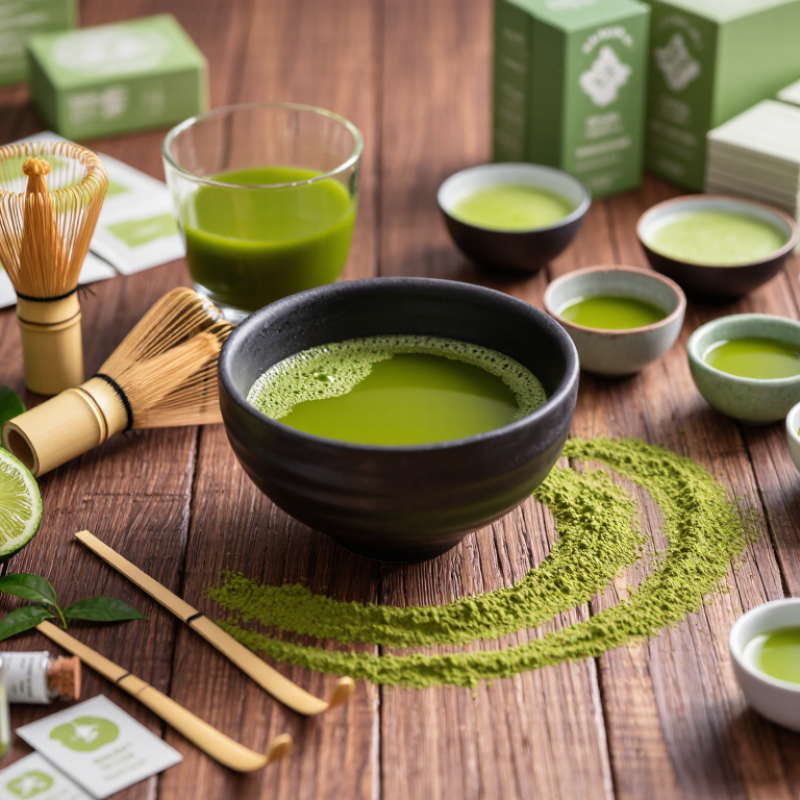
Define Ceremonial Matcha by Tencha Origin, Cultivar, and Harvest Standard
2026 Top Ceremonial Matcha Suppliers for Global Buyers
“Ceremonial” is not a universally regulated grade, so buyers should define quality through verifiable production details. Start with tencha origin: request the prefecture, growing area, harvest date, and traceability for each lot. Cultivar matters too. Yabukita, Saemidori, and Okumidori can differ in sweetness, bitterness, aroma, and color. Ask whether a blend’s cultivar proportions are disclosed. Vague answers make comparison difficult.
Harvest and processing records add useful context. Confirm whether leaves came from the spring flush, how long plants were shaded, and whether stems and veins were removed before milling. First harvest and extended shading can support a sweeter, softer cup, but neither guarantees quality. Taste the powder in plain water; look for a fresh green aroma and a fine, even texture. Color is not enough. FAOSTAT’s 2022 data record more than six million tonnes of tea production worldwide, but do not separate tencha or matcha. That gap matters: broad tea statistics cannot verify a ceremonial claim. I would treat “ceremonial” as a starting point, not proof, and compare documented lots through tasting and batch-level records.
Map Japan’s Supply Regions Against 7,579 Tonnes of Tea Exports in 2023
Japan’s 7,579 tonnes of tea exports in 2023 offer useful context, but they are not a matcha-only figure. Japan’s Ministry of Finance trade statistics track tea shipments by customs classification, while MAFF’s tea statistics describe domestic production. Buyers should compare both carefully: export volume shows overseas movement, not how much ceremonial-grade tencha was available.
Regional mapping helps explain the differences. Kyoto’s Uji area is associated with long-established shaded-tea processing; Aichi’s Nishio is another notable matcha-producing district. Shizuoka and Kagoshima contribute substantial tea production, but regional tea totals do not equal matcha output. A prefecture can ship plenty of tea and still have limited capacity for a particular grade. Small detail, but it matters.
For supplier checks, ask where the leaves were grown, where tencha was milled, and which harvest the lot represents. Request recent batch testing and a clear sensory profile; vivid green powder alone proves little. The MAFF crop reports and customs data are strong starting points, not a complete quality assessment. Export figures can also shift with demand and classification changes. The map is useful, though imperfect.
2026 Top Ceremonial Matcha Suppliers for Global Buyers - Map Japan’s Supply Regions Against 7,579 Tonnes of Tea Exports in 2023
Regional sourcing guide: Japan’s tea-growing areas offer different matcha sourcing opportunities. This is a regional map, not a ranking of suppliers; it does not imply that every producer in a region makes matcha.
| Sourcing region | Main tea-growing area | Regional tea context | Matcha sourcing fit | Buyer checks |
| Kyoto — Uji area | Southern Kyoto Prefecture and the wider Uji tea area | Uji is a long-established Japanese tea-producing area associated with shaded teas, including tencha used to make matcha. | A relevant area to investigate for traditional-style matcha and documented tea-making practices. | Confirm the tea’s actual growing and processing locations; “Uji” may describe a broader regional supply area. |
| Aichi — Nishio | Nishio City and surrounding areas | Nishio is widely recognized as a Japanese matcha-producing area, with local production of tencha and ground tea. | A practical region to include when comparing established matcha-oriented origins. | Ask whether the offered product is made from tencha and request harvest, milling, and lot details. |
| Fukuoka — Yame | Yame area, including Yame City and nearby tea-growing districts | Yame is a recognized tea-producing area; the region is also associated with shaded teas and matcha production. | Worth evaluating for buyers seeking regional provenance and shaded-tea sourcing. | Check the specific farm or cooperative origin, cultivar information, and whether the lot is intended for whisking. |
| Shizuoka | Multiple tea-growing districts across Shizuoka Prefecture | Shizuoka is one of Japan’s major tea-producing prefectures, with a broad range of tea-growing environments and styles. | A broad sourcing area; matcha availability depends on the individual producer and its tencha production. | Do not assume that a tea-growing origin is automatically a matcha origin; verify tencha supply and processing capacity. |
| Kagoshima | Tea-growing districts across Kagoshima Prefecture | Kagoshima is a major tea-producing prefecture. Its tea sector includes a range of production styles, with tencha supply varying by producer and year. | Include in volume-oriented searches, while assessing matcha-specific availability lot by lot. | Request evidence of shading, tencha processing, harvest timing, and available annual volume. |
| Mie — Ise tea area | Tea-growing areas in Mie Prefecture | Mie is an established tea-producing prefecture, commonly associated with Ise tea; individual producers may specialize in different tea types. | A supplementary region to explore when building a diversified Japanese sourcing base. | Confirm that the specific lot is tencha-derived matcha rather than another powdered green tea. |
Export context: The 7,579-tonne figure is the 2023 tea-export benchmark stated in the headline. It should not be read as matcha-only exports; export totals depend on the product categories included in the trade data.
Terminology note: “Ceremonial grade” is not a single standardized Japanese government grade. For procurement, assess the intended use, tencha origin, harvest and processing records, sensory sample, food-safety documentation, and lot-specific availability. Regional context can be checked against Japanese Ministry of Agriculture, Forestry and Fisheries materials and prefectural tea-industry information; export definitions should be checked against Japan Customs trade statistics.
Compare 2026 Supplier Profiles by Grade, Capacity, MOQ, and Lead Time
For global buyers, supplier profiles are most useful when grade, capacity, minimum order quantity, and lead time appear side by side. Ask what “ceremonial” means in each supplier’s specification; the term is not applied identically everywhere. Request a recent sample and check its vivid green color, fresh aroma, fine texture, and clean finish in water. A tasting note alone is not enough.
Capacity figures need context. Confirm monthly export availability, seasonal changes, and whether the quoted volume includes your required packaging. For MOQ, compare the smallest trial order with the threshold for repeat shipments. A low MOQ may suit a new product launch, but it does not guarantee steady supply. Check lead time from order confirmation to dispatch, and ask how holidays or harvest timing affect it. Get the details in writing.
A spreadsheet can look reassuring. It can also hide gaps. Supplier estimates may shift, and published lead times may not reflect customs or freight delays. Compare like with like: same grade, pack size, and delivery terms. If figures seem unusually precise, ask what they are based on. That question is easy to overlook.
Verify Global Compliance Through COAs, Pesticide MRLs, and Traceability
For global buyers, a ceremonial-grade label does not prove a lot is safe or traceable. Request a batch-specific certificate of analysis (COA) from a laboratory accredited to ISO/IEC 17025. Check the sample date, lot code, methods, and tested pesticide list—not just a “pass” stamp. The European Food Safety Authority’s 2022 pesticide-residue report found 96.3% of sampled food products compliant with legal limits. That dataset covers many foods, not matcha specifically, but it shows why documented checks matter.
Compare each pesticide result with the maximum residue limit (MRL) in the destination market. Limits can differ by country, and a generic “below limit” statement may not show which rules were applied. Ask suppliers for the actual results, units, quantification limits, and the relevant MRL reference. A COA is a snapshot, not a guarantee. Match the report’s lot number to the sealed pouch or shipment documents; even a small mismatch deserves follow-up.
Traceability should connect the finished powder to its harvest region, processing site, and production lot. Request records that link those steps, plus the date and scope of any audit. Then verify a sample report directly with the laboratory when possible. It takes extra time. Still, that check can reveal stale paperwork or incomplete testing. One caveat: paperwork cannot replace independent sampling of incoming lots, especially when color, aroma, and particle size vary between harvests.
Assess Pricing and Supply Risk Using Japan’s 2023 Tea Export Value of ¥29.2 Billion
Japan’s tea export value reached ¥29.2 billion in 2023, a useful signal of international demand. But this figure covers tea exports broadly; it does not show how much ceremonial matcha was exported. Nor does export value reveal available stock, harvest quality, or supplier capacity. That distinction matters. A rising market can still face tight supplies.
For global buyers, treat the figure as context, not a price forecast. Ask suppliers for the harvest year, origin, cultivar, available lot size, and expected lead time. Request recent quality records and confirm how the matcha is packed and stored. Compare quotes only after checking grade, order volume, shipping terms, and currency. A low price may reflect a different specification, not a better deal. Supply plans can also be imperfect: weather, processing schedules, and export timing may shift. Build room for delays, and avoid relying on one source for every order.
Tips: Ask for a small sample before committing. Put delivery windows and replacement terms in writing. Recheck quotes when exchange rates or freight costs change. The ¥29.2 billion figure is a starting point, not a guarantee of supply.