

Private Label Supplements give brands a way to serve specific wellness needs, from daily nutrient support to sports nutrition. The category is broad, but shoppers often begin with familiar formats: capsules, powders, softgels, and gummies. On a store shelf, a vitamin bottle may sit beside a collagen tub or a probiotic pack. Each product brings different formulation, sourcing, and labeling considerations. The details matter.
Dr. Pieter Cohen, a physician-researcher who studies dietary supplements, has repeatedly emphasized the need to scrutinize supplement claims. A practical summary of his caution is simple: evidence should matter more than persuasive packaging. That perspective is useful when comparing popular private-label categories, including vitamins and minerals, probiotics, protein and collagen, omega-3 oils, and botanical products. Popularity alone does not prove that a product works for every person.
This guide explores the leading types of Private Label Supplements and the choices brands face when developing them. It considers intended use, format, ingredient quality, clear labeling, and responsible claims. A magnesium capsule and a flavored protein powder do not solve the same problem. Nor do they carry the same expectations for taste, serving size, or consumer education. Some product decisions remain difficult; a polished label cannot fix weak evidence or inconsistent quality. Readers will find a practical overview, not a promise of results.
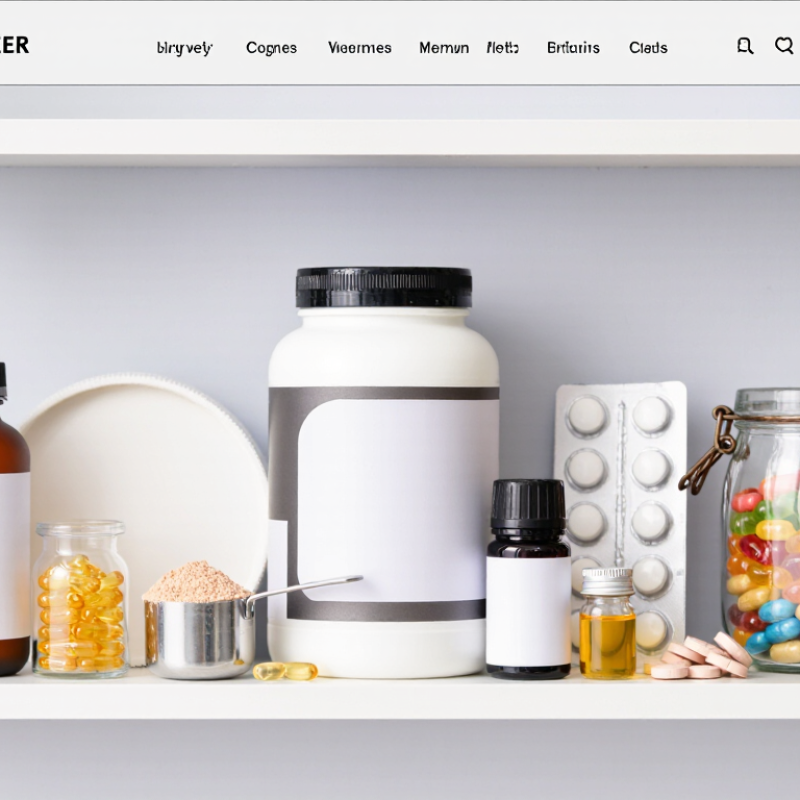
Private label supplements are products made by a contract manufacturer and sold under a retailer’s own label. The seller typically selects a ready-made formula or works with the manufacturer on its ingredients, format, and packaging. Capsules, powders, gummies, and liquids are common forms. The label may look simple, but reliable sourcing and clear documentation matter.
Main categories are often grouped by their ingredients or intended use. Vitamins and minerals include familiar options such as vitamin D or magnesium. Botanicals contain plant-derived ingredients, while protein powders and electrolyte mixes are often positioned for active lifestyles. Probiotics and other digestive-support products form another category.
These groups can overlap: a powder might combine protein, minerals, and botanicals. That can make comparisons tricky.
Quality checks deserve attention. Buyers can review ingredient specifications, allergen statements, manufacturing controls, and available third-party test results. A certificate of analysis can help verify that a particular batch meets stated specifications, though it does not prove every health claim. Labels should give serving sizes and ingredients plainly. Small details count. Formulas may also differ in taste, texture, and stability, so a sample can reveal issues that a product sheet misses. I would not assume that a popular category automatically suits every customer; individual needs and professional advice may matter.

Vitamins and minerals are common private label supplements because they can fit simple, everyday routines. A basic multivitamin may combine several nutrients, while single-nutrient products focus on one, such as vitamin D or iron. The right choice depends on diet, age, health, and individual needs; more is not automatically better. Needs vary. Supplements should complement food, not replace varied meals with vegetables, grains, protein, and fruit.
Tips: Read the Supplement Facts panel and check the amount per serving, serving size, and ingredient list. Look for clear quality information, such as independent testing, when available. Check expiry dates, too. A bottle beside your breakfast bowl may be easy to remember, but consistency does not make an unsuitable product appropriate.
Some nutrients can interact with medicines or be risky at high doses. Ask a qualified health professional before starting a supplement, especially if you take medication, have a health condition, or are pregnant. Keep a simple note of what you take and why. It can feel fussy, but it makes a later review more useful. Labels can also be confusing, and I would not assume that a broad “daily support” claim tells you whether a product suits your needs.
Herbal and botanical supplements are popular private label options because they can be developed for specific wellness interests. Ginger and peppermint are often chosen for digestive support, while turmeric products are commonly positioned around general wellness. The ingredient matters. So does the evidence behind the wording on the label. Responsible descriptions avoid promising to prevent or treat disease, and explain what a product is intended to support.
Formulation takes more than selecting a familiar herb. A manufacturer should verify botanical identity, screen for contaminants, and document ingredient specifications. Clear serving sizes and standardized extracts can help make products more consistent from batch to batch. Ask for current quality records, such as certificates of analysis, and check that label claims match the available evidence. Details matter. Herbal products can interact with medicines, and some may not suit pregnancy or certain health conditions. Customers should be encouraged to consult a qualified health professional when unsure. That caution can feel less marketable, but it builds trust. Botanical sourcing also deserves scrutiny: harvest location, plant part, and processing can affect quality. Even a well-designed formula has limits, and those limits should be stated plainly.
Sports nutrition is a practical private-label category because products can fit specific training routines.
Common options include protein powders, electrolyte mixes, carbohydrate gels, and creatine monohydrate. Protein powder offers a convenient way to add protein after exercise, though ordinary meals can serve the same purpose. Electrolyte mixes may replace sodium and fluid lost through sweat during prolonged or hot sessions. Carbohydrate gels provide portable fuel for endurance exercise. Creatine monohydrate is widely studied for repeated high-intensity efforts, but it is not suitable for everyone.
Not magic.
Clear product labels matter. They should list serving sizes, ingredients, allergens, and directions without implying that a supplement guarantees better performance or faster recovery. A useful product description also explains who might use it and when.
For example, a runner may carry a gel for a long training session, while a recreational lifter may prefer a shake when a meal is not convenient. Individual needs vary with diet, exercise, health, and sweat loss.
Reliable manufacturing deserves equal attention. Private-label sellers should work with qualified manufacturers, review ingredient specifications, and seek appropriate testing for identity and contaminants. Taste and texture matter, too: a powder can look polished on a label but still mix poorly in a shaker.
That detail is easy to overlook. People with medical conditions, those taking medication, and competitive athletes with specific testing needs should seek qualified advice before choosing products.
Private-label supplements often target specific routines rather than broad wellness claims. Sleep formulas may combine melatonin with magnesium or calming botanicals; digestion products commonly feature probiotics, fiber, or digestive enzymes. Immune-health products often use nutrients such as vitamin C, vitamin D, and zinc. Ingredients and doses matter: a familiar label does not guarantee that a formula suits every person. The Council for Responsible Nutrition’s 2024 Consumer Survey found that 75% of U.S. adults use supplements. Grand View Research valued the global dietary supplements market at $177.5 billion in 2023, reflecting strong demand across categories.
For sleep products, clear serving instructions and cautions about drowsiness help consumers make informed choices. Digestive formulas should identify probiotic strains or fiber amounts, not just list broad ingredient names. Immune formulas should avoid implying that supplements prevent or treat illness. Small details matter. A product can look polished and still leave questions about testing, ingredient sourcing, or evidence; brands should be ready to answer them.
Tips: Check ingredient amounts, suggested use, and quality-testing details before choosing a formula. For probiotics, look for strain names and viable counts through the stated shelf life. For sleep products, consider timing and possible interactions with medicines. These steps are easy to overlook, and labels can be crowded.
| Category | Common Formula Types | Frequently Used Ingredients | Typical Formats | Formulation Considerations |
|---|---|---|---|---|
| Sleep support | Single-ingredient melatonin; botanical blends; non-melatonin evening formulas | Melatonin, magnesium, L-theanine, valerian root, chamomile | Tablets, capsules, gummies, powders | Ingredient combinations and serving amounts should be reviewed for safety, interactions, and suitability for the intended adult audience. Melatonin may cause drowsiness. |
| Digestive health | Probiotic products; digestive enzyme blends; fiber supplements; soothing botanical formulas | Probiotic microorganisms, lactase, alpha-galactosidase, psyllium husk, ginger | Capsules, powders, chewables, gummies | Probiotic products should identify strains and viable counts through the end of shelf life. Fiber formulas should include clear directions for use with adequate fluids. |
| Immune health | Essential nutrient formulas; zinc products; vitamin-and-botanical blends | Vitamin C, vitamin D, zinc, elderberry | Tablets, capsules, gummies, powders, liquids | Check total nutrient amounts across the serving and avoid implying that a supplement prevents or treats infection. Nutrient needs and tolerable upper intake levels vary by age and individual circumstances. |
Note: Ingredients and formats listed are common examples, not medical advice or a recommended formula. Dietary supplement labeling and marketing claims should comply with applicable regulations; products should not be presented as diagnosing, treating, curing, or preventing disease.
Sign up today to keep up with the newest information from one of the Southeast’s leading suppliers of fluid handling equipment!