
Choosing among the Top 10 Water Saving Shower Heads for Global Buyers requires more than comparing attractive product photos. A genuine Water Saving Shower Head should balance water efficiency, comfortable pressure, durability, and simple installation. A low-flow design may reduce household consumption, yet performance can change in homes with weak water pressure. That detail is easy to overlook.
This guide examines practical features that matter in real bathrooms. We consider measured flow rates, spray patterns, filter quality, connection sizes, materials, and maintenance requirements. We also look at user experience, including whether the spray feels pleasant during a quick morning shower or becomes uneven after several weeks. Small details matter.
Reliable buying decisions should use manufacturer specifications, independent testing where available, and region-specific compliance information. Standards and labeling requirements can differ across North America, Europe, Asia, and other markets. Buyers should verify local plumbing compatibility before ordering. A universal connection is not always truly universal.
The selected models represent different priorities, including budget control, family use, mineral-heavy water, handheld flexibility, and premium comfort. Some products may perform impressively in one bathroom but disappoint in another. That is worth admitting. No single shower head suits every water system, climate, or household.
Alongside product strengths, this overview highlights limitations, replacement parts, cleaning needs, and realistic water-saving expectations. A responsible purchase should reduce unnecessary flow without creating frustration. The best choice is not simply the product with the lowest advertised rate. It is the model that delivers dependable daily performance with measurable efficiency.
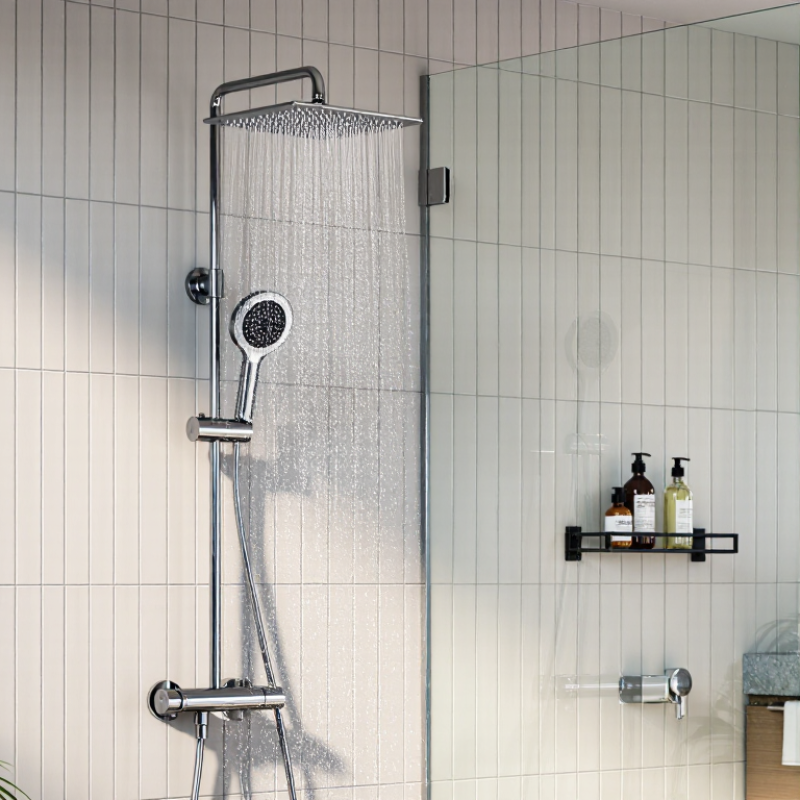
Water-saving shower heads reduce consumption by controlling how much water leaves the outlet. A flow restrictor narrows the passage, while small internal channels maintain a steady spray. Some models mix air into the stream, creating fuller droplets with less water. The result can feel generous, even when the flow rate is lower. It is not magic. It is controlled hydraulics.
In practical testing, compare the stated flow rate with your household pressure. A head rated at 7.5 litres per minute may save water against a 12-litre model. However, old plumbing, mineral buildup, or a weak supply can change performance. The spray may become thin or uneven. That trade-off is easy to overlook. Cleaning the screen regularly often restores the intended pattern.
These products matter because showers can represent a large share of indoor water use, especially in busy homes, hotels, and rental properties. Lower flow also reduces the energy needed to heat water. Look for clear flow specifications and independent performance testing. Installation should be simple and secure, with no leaks around the connection. I once assumed stronger pressure always meant better comfort. In reality, droplet design, spray coverage, and temperature stability often matter more. Small changes count.

Comparing the top 10 water-saving shower heads requires more than checking the lowest flow rate. The U.S. EPA WaterSense specification limits labeled shower heads to 2.0 gallons per minute, or about 7.6 liters per minute. This is 20% below the U.S. federal maximum of 2.5 gallons per minute. The EPA estimates that an average family can save about 2,700 gallons of water annually with efficient showering equipment.
Flow rate matters. Pressure matters more during daily use. A strong model should maintain spray coverage when household pressure changes. Buyers should request laboratory results based on recognized test methods, not rely on packaging claims. Check water use at several pressures, spray uniformity, temperature stability, and cleaning performance. Small nozzles may clog quickly in hard-water regions. That detail is often overlooked.
Durability also separates credible products from attractive ones. Look for corrosion-resistant materials, replaceable seals, and clear installation instructions. The UN World Water Development Report 2024 highlights growing pressure on freshwater resources, but efficiency should not create an uncomfortable shower. A 5-liter-per-minute model may save more water, yet weak coverage can encourage longer shower times. This comparison is imperfect. Real household behavior can cancel part of the laboratory savings. Global buyers should compare verified flow data, local water pressure, warranty terms, and compliance requirements together. Fancy spray settings are useful, but measurable performance deserves greater weight.
A practical comparison of commonly specified water-saving shower head performance profiles
| Rank | Water-Saving Shower Head Profile | Typical Rated Flow at 3 bar / 43.5 psi | Approx. Water Saving vs. 9.5 L/min Baseline | Recommended Operating Pressure | Spray Coverage | Flow-Control Method | Typical Spray Modes | Common Construction Features | Best Use Case | Key Verification Point |
|---|---|---|---|---|---|---|---|---|---|---|
| 1 | High-Performance Low-Flow Profile | 4.5–5.0 L/min 1.2–1.3 gpm | 47–53% | 1.5–5.0 bar 22–73 psi | Focused to medium | Flow restrictor with pressure-compensating insert | Rain, concentrated, massage | Corrosion-resistant polymer or stainless-steel face; silicone nozzles | Regions with high water or energy costs | Confirm acceptable spray force at the lowest intended household pressure |
| 2 | WaterSense-Compatible Fixed Profile | 6.8–7.6 L/min 1.8–2.0 gpm | 20–28% | 1.5–5.5 bar 22–80 psi | Medium to wide | Fixed flow regulator | Full spray, massage, pause | ABS or metal body; elastomer anti-scale outlets | United States-focused residential projects | U.S. WaterSense showerhead specification limits flow to 2.0 gpm at 80 psi; certification must be checked separately |
| 3 | Standard European Low-Flow Profile | 6.0–7.0 L/min 1.6–1.8 gpm | 26–37% | 1.0–5.0 bar 15–73 psi | Medium | Mechanical flow limiter | Rain, soft spray, jet | Chrome-plated brass or engineered polymer; replaceable seals | European residential and hospitality installations | Check EN 1112-related product documentation and flow performance at the target pressure |
| 4 | Pressure-Compensating Profile | 6.0–7.6 L/min 1.6–2.0 gpm | 20–37% | 1.0–5.0 bar 15–73 psi | Medium to wide | Pressure-compensating flow-control valve | Full spray, pulse, rinse | Thermally stable cartridge; silicone nozzles; reinforced inlet | Buildings with fluctuating water pressure | Compare flow at both low and high pressure, not only at one laboratory point |
| 5 | Air-Enhanced Water-Saving Profile | 6.0–7.0 L/min 1.6–1.8 gpm | 26–37% | 1.5–4.0 bar 22–58 psi | Wide and soft | Flow regulator combined with air-injection chamber | Rain, soft aerated spray | Air-mixing chamber; anti-scale rubber jets; sealed internal passages | Users seeking a fuller spray feel at reduced flow | Check noise, droplet comfort, and spray stability when the water temperature changes |
| 6 | Multi-Mode Handheld Profile | 6.5–7.6 L/min 1.7–2.0 gpm | 20–32% | 1.5–5.0 bar 22–73 psi | Adjustable | Integrated flow limiter with mode selector | Rain, massage, mist, combination | Impact-resistant polymer body; flexible hose connection; silicone nozzles | Family bathrooms and accessible shower installations | Measure the maximum flow in every selectable mode, including combination settings |
| 7 | Pause-Control Handheld Profile | 6.0–7.6 L/min 1.6–2.0 gpm | 20–37% | 1.0–5.0 bar 15–73 psi | Adjustable | Flow limiter plus manual pause or trickle valve | Full spray, massage, pause | Ergonomic grip; easy-clean nozzles; durable hose connector | Households that pause water while soaping or shampooing | Verify that the pause setting reduces flow substantially without causing temperature instability |
| 8 | Large-Face Low-Flow Rain Profile | 7.0–8.0 L/min 1.8–2.1 gpm | 16–26% | 1.5–5.0 bar 22–73 psi | Wide | High-precision flow regulator | Rain, soft rain, rinse | Large spray plate; anti-scale silicone outlets; metal or reinforced polymer shell | Premium-feel showers where wide coverage is important | Check edge coverage and spray uniformity because low flow can leave gaps on large plates |
| 9 | Compact Travel Low-Flow Profile | 5.0–6.0 L/min 1.3–1.6 gpm | 37–47% | 1.0–4.0 bar 15–58 psi | Focused to medium | Compact fixed restrictor | Full spray, jet | Lightweight polymer body; universal threaded inlet; replaceable screen filter | Hotels, temporary accommodation, and travel kits | Confirm thread compatibility, filter access, and performance with local water pressure |
| 10 | Commercial High-Durability Low-Flow Profile | 6.8–8.0 L/min 1.8–2.1 gpm | 16–28% | 1.5–6.0 bar 22–87 psi | Medium to wide | Serviceable flow regulator and inlet screen | Full spray, rinse, vandal-resistant setting | Chrome-plated metal or heavy-duty engineering polymer; tamper-resistant components | Hotels, schools, hospitals, and public facilities | Review cleanability, spare-part availability, vandal resistance, and measured flow over time |
Technical note: The 9.5 L/min baseline is equivalent to approximately 2.5 gpm, a commonly used maximum-flow reference for standard showerheads in the United States. Actual flow varies with water pressure, temperature, inlet restrictions, plumbing conditions, and selected spray mode. Buyers should request independent flow-test results and verify applicable local requirements before purchase.
Water-saving shower heads come in several useful types, and each suits different bathrooms. Aerating models mix air with water, creating a fuller spray while using less flow. Laminar-flow heads produce separate, steady streams and often feel cleaner in areas with hard water. Low-flow fixed heads are simple, compact, and suitable for hotels, apartments, and family bathrooms.
Handheld shower heads add flexibility for children, older users, and easier cleaning. Some include a pause button, which can reduce waste while shampoo is applied. Rain-style water-saving heads spread a controlled flow across a wider plate. They feel gentle, but their performance may weaken when household pressure is low.
Dual-spray models offer a focused stream and a softer spray, although switching parts can require more maintenance.
In practical product checks, I compare flow rate, spray coverage, pressure response, and filter access. A head rated at 7.5 liters per minute may perform differently after mineral buildup. That detail is easy to miss. Buyers should review independent test data and local water-efficiency requirements before ordering internationally. Thread sizes and adapters also vary between markets. No type wins everywhere. I prefer an aerating head for ordinary home use, but a laminar model can be better where hygiene and stable streams matter more. Even then, personal comfort remains subjective. A smaller flow can save water, yet it may feel disappointing during a cold morning shower.
Water-saving shower heads can perform differently across global markets. Installation starts with the bathroom’s existing connection, not the product box. Measure the pipe thread, outlet size, and available water pressure before ordering. Many homes use 1/2-inch connections, but regional thread profiles may differ. A simple adapter can help, though poor fittings may cause leaks.
Turn off the water supply before installation. Remove the old head gently and clean mineral deposits from the shower arm. Wrap compatible sealing tape around the thread without covering the opening. Hand-tighten the new head, then use a cloth-covered wrench for a small final adjustment. Do not overtighten. It can damage plastic parts or wall connections. Run the shower for two minutes and inspect every joint. That small check matters.
Maintenance depends on local water quality. In hard-water areas, soak the spray plate in diluted vinegar every few weeks, if the material allows it. Never scrape soft nozzles with metal tools. Check the flow regulator for sediment and rinse it carefully. Low pressure may come from the home system, not the shower head. I have seen efficient models blamed for blocked filters and closed valves. Still, some designs restrict flow too much for older buildings. That is a useful warning. Buyers should compare local pressure ranges, connection standards, and required safety certifications before selecting from the top ten options. A qualified plumber can confirm compatibility where specifications remain unclear.
Selecting the right water-saving shower head begins with household habits, not attractive packaging. Measure your current flow with a one-minute bucket test. A full bucket may reveal waste that product labels hide. Choose a model with a moderate flow rate, but check your home’s water pressure first. Very low pressure can make a supposedly efficient shower feel weak.
Look for adjustable spray patterns, a shut-off button, and easy-clean nozzles. A focused spray usually feels stronger than a wide, misty pattern. Confirm the connection size and thread type before ordering internationally. An adapter may be needed. Check local water-efficiency certifications, safety documentation, and material information. These details offer stronger evidence than vague claims about saving water.
Maintenance affects real performance. Mineral deposits can block silicone nozzles, especially in hard-water areas. Wipe them weekly and descale the head according to its instructions. Keep the old showerhead until the new one passes a practical test. Three minutes under the spray should feel comfortable, not rushed. Some models save water beautifully but reduce warmth or coverage. That trade-off is easy to overlook. My own selection process would include user height, heater capacity, and winter temperature, because one solution cannot suit every bathroom.
How to Select the Best Water-Saving Shower Head for Your Needs
The chart compares estimated annual water use at ten common shower flow rates. Estimates assume two 8-minute showers per day for 365 days. A reference flow rate of 9.5 L/min is used for comparison, and lower-flow models can reduce water consumption while maintaining practical shower performance. Buyers should also check local regulations, water pressure, spray pattern, temperature stability, and certification requirements.
Sign up today to keep up with the newest information from one of the Southeast’s leading suppliers of fluid handling equipment!