

What Are Aluminium Takeaway Containers?
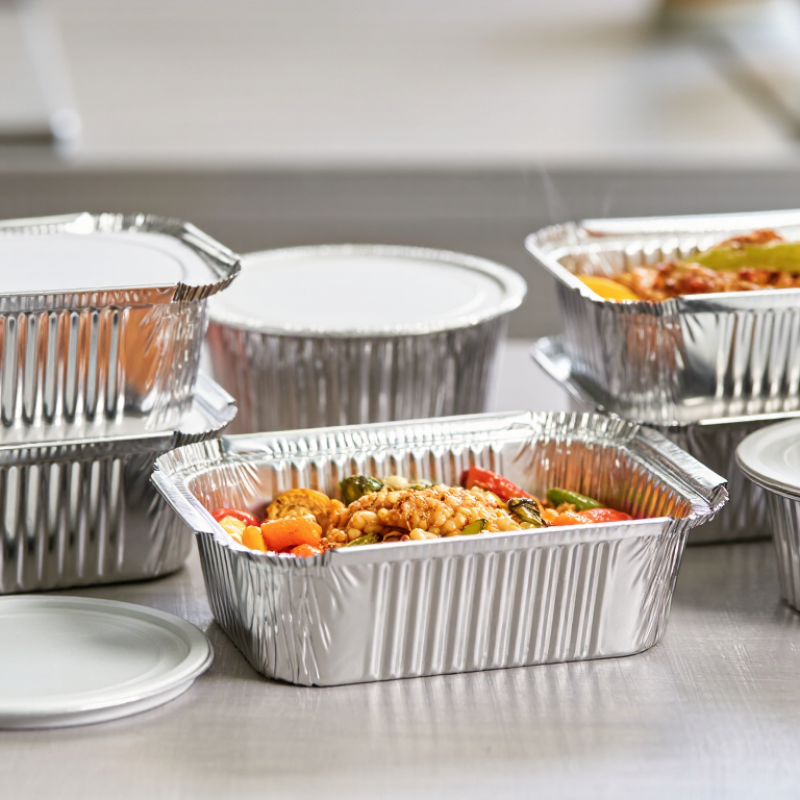
Aluminium Takeaway Containers are lightweight food packages shaped from thin aluminium sheet. They hold hot meals, baked dishes, and leftovers, and many designs include fitted lids. Their rigid walls help protect food during transport. The metal also conducts heat quickly, so a container may become hot to touch. Handle it carefully.
Gerd Götz, former Director General of European Aluminium, has described aluminium as a “permanent material” because it can be recycled repeatedly without losing its properties. That principle helps explain the material’s appeal, though recycling outcomes depend on local collection and sorting systems. A container is not automatically recycled just because it is recyclable. Small details matter: food residue, mixed materials, and the rules of a local facility can affect what happens next.
For restaurants and caterers, these containers offer practical benefits. They stack neatly, travel well, and suit many oven-ready meals when the product is specifically designed for that use. Check the manufacturer’s instructions before heating or storing food. Lids and coatings can vary. So can performance.
This guide explains what Aluminium Takeaway Containers are, how they are made, and where they work best. It also looks at common sizes, key advantages, limitations, and disposal considerations. The material has clear strengths, but it is not a perfect answer for every meal or supply chain. That deserves a closer look.
Definition and Basic Structure of Aluminium Takeaway Containers
What Are Aluminium Takeaway Containers?
Definition and Basic Structure of Aluminium Takeaway Containers
Aluminium takeaway containers are lightweight food vessels made from thin, formed aluminium sheet. They commonly hold prepared meals, baked dishes, or chilled portions for transport. The metal conducts heat quickly, so food may cool or warm faster than in insulated packaging. Actual performance depends on the container’s thickness, shape, and use.
A typical container has a flat base, raised sidewalls, and a rim that is often folded or rolled for stiffness. Corners may be rounded or gently angled to help the container hold its shape. Some designs include shallow ridges in the base or walls. These details can improve rigidity, though they do not make every container equally sturdy. A lid may be supplied separately and should match the rim for a secure fit. Small differences matter.
Tips: Check the base and rim before filling, especially with saucy or heavy food. Use a lid designed for that container size. Aluminium transfers heat readily, so handle hot contents with care. A container can look firm and still flex when lifted.
What Are Aluminium Takeaway Containers? - Definition and Basic Structure of Aluminium Takeaway Containers
| Aspect | Description | Practical Details |
|---|---|---|
| Definition | An aluminium takeaway container is a lightweight food package made from thin aluminium sheet, commonly formed into a tray or pan for packing and transporting food. | It is used for a range of hot or cold meals. The exact design depends on the food, serving size, and intended handling. |
| Container body | The body is typically made from a single piece of formed aluminium with a base, side walls, and an open top. | The base may be flat or shaped, while the walls provide structure and help contain the food. |
| Rim and edge | The upper edge is usually reinforced or rolled to make the opening more rigid and provide a surface for fitting a lid. | Rim shape and stiffness vary by container design; a secure fit depends on using a compatible lid. |
| Compartments | Some containers have one open area, while others have raised dividers that separate different foods. | Dividers can help keep foods apart, but they do not necessarily create a leakproof seal between sections. |
| Lid options | Lids may be made from aluminium foil, plastic, paperboard, or other materials designed for the container format. | Heat tolerance and suitability for an oven or other appliance depend on the lid material. Check the lid’s instructions separately from the container’s. |
| Material and heat transfer | Aluminium conducts heat readily and is lightweight. Container thickness and shape influence its rigidity and performance. | Thin aluminium can bend under pressure. Use care when handling hot food or a heated container. |
| Oven and microwave use | Many uncoated aluminium containers are suitable for conventional oven use, subject to the product’s instructions and the appliance guidance. | Metal containers should not be placed in a microwave unless the microwave manufacturer explicitly permits that specific use. Never assume a lid is oven- or microwave-safe. |
| Recycling | Aluminium is recyclable, but acceptance of food containers depends on local recycling rules and available facilities. | Remove leftover food where practical and check local guidance, since some programs may not accept contaminated or very thin foil items. |
| Common formats | Available formats include shallow trays, deeper pans, lidded meal containers, and compartmented trays. | Capacity, dimensions, wall depth, and thickness vary by format; there is no single universal size or specification. |
Note: Always follow the handling, heating, and disposal instructions provided for the specific container and lid.





Stay Connected
Sign up today to keep up with the newest information from one of the Southeast’s leading suppliers of fluid handling equipment!