

China is a major manufacturing and export base for food ingredients. Its preservative sector serves bakeries, beverages, sauces, dairy products, meat processing, and animal nutrition. Common Preservatives from China include sodium benzoate, potassium sorbate, calcium propionate, and natamycin. Each one has a different technical purpose.
Market data shows why these ingredients attract global attention. Grand View Research’s 2024 Food Preservatives Market Size, Share & Trends Analysis Report estimated the global market at approximately US$3.1 billion in 2023. The report also forecasts steady growth through 2030. IMARC Group’s 2024 market analysis highlights processed foods, beverages, bakery products, and dairy applications as major demand areas. These figures describe market direction, not product quality. That distinction matters.
Quality assessment must go beyond price and production volume. China’s GB 2760 food-additive standard, together with later official amendments, defines permitted uses and maximum levels in China. International buyers should also review Codex references, destination-country rules, and relevant FAO/WHO JECFA evaluations. A dependable supplier should provide batch-specific certificates, purity results, allergen statements, heavy-metal testing, and traceability records. Clear documentation is essential.
Still, a catalog alone is not enough. A sample may perform well in a clean laboratory but behave differently in acidic drinks, humid bakery fillings, or salted sauces. Storage temperature matters. Packaging matters too. Some reports simplify the market, and supplier claims may require verification. This article compares the Most Common Preservatives from China through function, application, documentation, and practical sourcing risks.
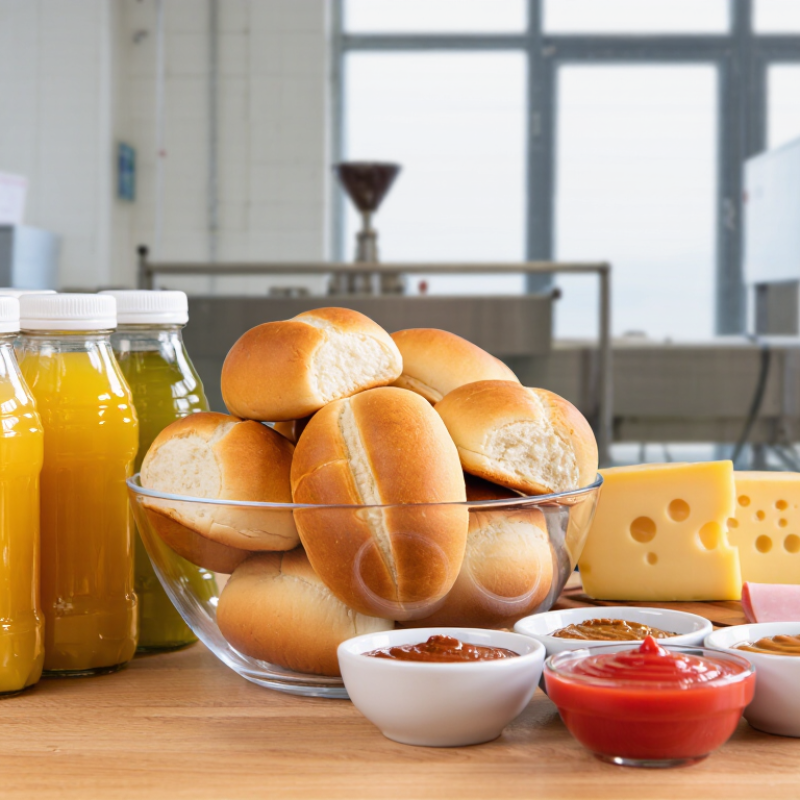
What Are Preservatives and Why Are They Used in China?
Preservatives are approved substances that slow microbial growth, oxidation, or spoilage in food. Common examples include sorbates, benzoates, propionates, and nitrites. They can protect bread from mold, keep sauces stable, and extend chilled-food quality during transport. In China, long supply routes make this function especially practical. Food may travel from coastal factories to inland retailers for several days.
China regulates preservatives through its national food additive standard, GB 2760. The standard defines permitted substances, food categories, and maximum use levels. Manufacturers must also verify dosage, product acidity, processing conditions, and storage temperature. A preservative is not a substitute for hygiene. That distinction matters.
The FAO and WHO Joint Expert Committee on Food Additives evaluates substances using acceptable daily intake values. For example, JECFA lists an acceptable daily intake of 0–5 mg per kilogram of body weight for benzoates. Sorbates have an ADI of 0–25 mg per kilogram. These figures support risk-based control, not unlimited use. UNEP’s 2024 Food Waste Index estimated 1.05 billion tonnes of food waste worldwide in 2022. Preservatives may help reduce avoidable spoilage, especially in processed and packaged foods. Still, longer shelf life is not automatically better. Formulation choices, labeling accuracy, and consumer habits remain important. Some applications deserve closer review.

Common Food Preservatives used in China, their functions, applications, and practical characteristics
| Preservative | INS / E Number | Primary Function | Common Food Applications | Key Characteristics | Use Considerations in China |
|---|---|---|---|---|---|
| Sorbic Acid | INS 200 / E200 | Inhibits molds, yeasts, and some fungi | Cheese, bakery products, fruit preparations, beverages, and preserved foods | Works best in acidic foods; relatively mild flavor impact when used correctly | The permitted food category and maximum level must be checked against the applicable Chinese food-additive standard |
| Potassium Sorbate | INS 202 / E202 | Controls mold and yeast growth | Beverages, jams, sauces, dairy products, baked goods, and dried fruit products | Highly water-soluble and convenient for liquid food systems; most effective at lower pH | Often selected when a soluble sorbate format is needed; dosage depends on product category and formulation |
| Benzoic Acid | INS 210 / E210 | Suppresses yeasts, molds, and selected bacteria | Acidic beverages, sauces, pickled foods, fruit products, and condiments | Most effective in acidic products; limited usefulness in neutral or low-acid foods | Food-category authorization and maximum-use levels must be verified before application |
| Sodium Benzoate | INS 211 / E211 | Antimicrobial preservation in acidic foods | Soft drinks, fruit beverages, syrups, sauces, jams, and pickled products | Good water solubility and broad industrial availability; performance is strongly pH-dependent | Should be assessed together with the product's acidity, ingredient interactions, and applicable Chinese limits |
| Propionic Acid | INS 280 / E280 | Prevents mold growth, especially in bakery products | Bread, cakes, pastries, cheese, and other grain-based foods | Particularly useful against bread mold; may have a noticeable acidic odor at excessive levels | Application level must be adjusted to product type, sensory requirements, and regulatory limits |
| Calcium Propionate | INS 282 / E282 | Inhibits mold and rope-forming microorganisms | Bread, rolls, cakes, tortillas, and other baked products | Stable in dough systems and commonly used where extended bakery shelf life is required | Excessive use can affect taste or fermentation; formulation trials are recommended |
| Nisin | INS 234 | Antimicrobial peptide active mainly against many Gram-positive bacteria | Dairy products, canned foods, ready-to-eat foods, and selected meat or beverage products | Can help control heat-resistant spoilage bacteria; does not replace hygienic processing | Effectiveness depends on pH, heat treatment, food composition, and the target microorganisms |
| Natamycin | INS 235 | Controls surface molds and yeasts | Cheese surfaces, sausage casings, and selected food coatings | Primarily a surface treatment; very low water solubility limits its use in beverages and bulk liquid foods | Authorized applications and treatment methods are category-specific and require careful label compliance |
| Sulfur Dioxide and Sulfites | INS 220–228 / E220–E228 | Preserves food, inhibits microbes, and can slow enzymatic browning | Dried fruit, wine-related products, certain processed vegetables, and selected starch-based foods | Provides both antimicrobial and antioxidant-related effects; sulfite-sensitive consumers require consideration | Residual sulfite levels, permitted food categories, and labeling requirements must be checked carefully |
Note: INS and E numbers identify internationally recognized food-additive numbering systems. Actual permitted applications and maximum use levels should be confirmed against the latest applicable Chinese standards before commercial production.
China produces several widely used food preservatives for domestic and international food manufacturers. Sodium benzoate is common in acidic drinks, sauces, fruit preparations, and pickled products. Potassium sorbate helps control mold and yeast in cheese, bakery fillings, beverages, and dried fruit. Calcium propionate is frequently used in sliced bread and other baked goods because it helps slow mold growth. Specifications matter.
Sodium diacetate and sodium propionate are also produced in China for selected bakery, meat, and prepared-food applications. Natamycin is another preservative made by Chinese manufacturers, especially for controlling surface mold on certain cheeses and processed foods. However, each preservative works within a specific pH range, dosage limit, and food category. More is not better. Poor formulation can affect flavor, texture, or shelf stability.
Reliable sourcing requires more than checking a product name. Buyers should request a current certificate of analysis, manufacturing date, batch number, assay result, moisture level, heavy-metal limits, and microbiological data. Clear traceability is essential. Independent laboratory testing can verify important claims before large-volume purchasing. I would not treat Chinese origin as proof of quality, or as evidence of poor quality. Supplier audits, storage conditions, and consistent batch performance deserve equal attention. Even detailed specifications can miss practical issues, such as caking after humid transport or unexpected flavor changes in a finished product.
Chinese preservatives work through chemistry, not mystery. Sodium benzoate performs best in acidic foods, such as fruit drinks, sauces, and pickled vegetables. Benzoic acid enters microbial cells and disrupts their internal pH balance. According to the FAO/WHO Joint Expert Committee on Food Additives, benzoic acid has a group acceptable daily intake of 0–5 mg per kilogram of body weight. The dosage still depends on the food category and local regulations.
Potassium sorbate follows a similar pattern. It slows yeast and mold growth in bakery fillings, dairy-style products, and fruit preparations. Its effect becomes stronger when the product is mildly acidic. JECFA lists sorbic acid and its salts with an acceptable daily intake of 0–25 mg per kilogram of body weight. That number is not a dosing instruction. Chinese manufacturers must also follow GB 2760-2024, which specifies permitted additives, food categories, and maximum-use levels.
Calcium propionate is more practical in sliced bread and other moist baked foods. It interferes with mold development while usually causing little flavor change at controlled levels. In real production, temperature, water activity, packaging, and sanitation often matter just as much. A preservative cannot repair poor hygiene. It is only one barrier. I have seen a small pH change alter performance noticeably, especially in fruit sauces. That makes formulation testing essential. The difficult part is balance: too little may shorten shelf life, while too much can create an unwanted aftertaste or regulatory problem.
How to read the chart: The values show the approximate pKa of the active weak-acid form. In foods with a pH below the pKa, a larger share remains undissociated, which generally improves its ability to enter microbial cells and inhibit yeast, mold, or bacteria.
Food applications: Benzoates are commonly associated with acidic beverages, sauces, and condiments; sorbates are widely used in cheese, fruit preparations, bakery products, and beverages; propionates are mainly used in bread and other baked goods; acetates are used in sauces, pickled foods, and bakery products; dehydroacetate is used in selected acidic food applications where permitted by applicable regulations.
Important: The chart compares chemistry rather than maximum legal use levels. Actual permitted preservatives, concentrations, and food categories depend on current Chinese food-safety standards and the specific product.
China supplies several widely used preservatives, including sodium benzoate, potassium sorbate, calcium propionate, and natamycin. Their quality depends on more than appearance or price. Buyers should verify chemical identity, assay, moisture, acidity, heavy metals, and microbiological limits. These details must match the relevant Chinese national standard, product specification, and destination-market rules.
Reliable suppliers should provide a current certificate of analysis for every batch. The document should show testing methods, production dates, lot numbers, and laboratory approval. A strong quality system may include HACCP, ISO 22000, or equivalent food-safety controls. However, certification alone is not enough. Audits should examine raw-material records, sealed packaging, warehouse humidity, and traceability exercises. Export documents must also match the actual shipment. Small inconsistencies can create serious delays.
Tips: Request an independent laboratory test before large orders. Compare the supplier’s specification with Codex guidance and your local regulations. Check whether the preservative is permitted for your specific food category. Ask for samples from several production batches, not only one. I would also review storage instructions carefully, because moisture and heat can affect stability. Some suppliers may present polished documents but offer limited technical evidence. That is a warning sign, although not always proof of poor quality. Standards change, and older purchasing habits can become unreliable. Keep written approval records and reassess suppliers regularly.
Choosing Chinese preservatives should begin with the product, not the lowest quotation. Sodium benzoate, potassium sorbate, calcium propionate, and natamycin serve different applications. Their performance depends on pH, moisture, temperature, packaging, and storage time. A preservative suitable for fruit beverages may fail in bakery fillings.
Ask suppliers for a current specification sheet, certificate of analysis, batch number, production date, and traceability records. Check purity, microbiological limits, heavy metal results, and recommended storage conditions. Independent laboratory testing is valuable, especially for the first shipment. A clean document is helpful, but it does not replace testing. Verify the supplier’s quality system, export experience, and ability to maintain consistent batches.
Use the permitted dosage for your target market and product category. Local food or cosmetic regulations may differ, even when the chemical name is identical. Conduct small pilot trials before commercial production. Measure taste, odor, color, texture, and microbial stability during realistic storage. Do not add more simply because preservation seems weak. The problem may involve poor sanitation, unsuitable packaging, or an incorrect pH.
Keep the material sealed, dry, and clearly labeled. Separate opened bags from new stock. Record every batch used in production. A cheaper preservative can create hidden costs through rework or rejected goods. This is easy to underestimate. Buyers should also question unclear test methods, unusually broad shelf-life claims, and pressure to skip samples. Some purchasing decisions look efficient at first, but need deeper review.
Sign up today to keep up with the newest information from one of the Southeast’s leading suppliers of fluid handling equipment!