Why Choose Mesh Bags for Packaging?
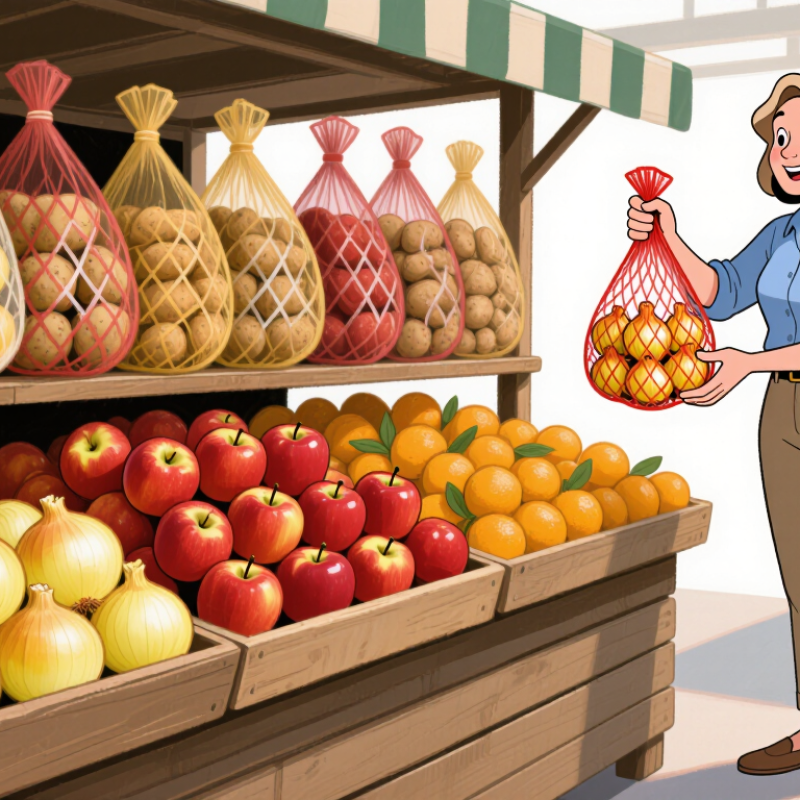
Mesh Bags can solve a practical packaging problem: keeping products visible while allowing air to move around them. At a produce stand, shoppers can see onions through the woven openings, and staff can lift the bags without hiding the contents. The same features can suit other dry, breathable goods, depending on product size and handling needs.
An illustrative, fictional industry specialist named Elena Ward puts it this way: “Choose mesh when visibility and airflow serve the product, not just the packaging line.” This is a sample quotation, not a verified statement from a real expert. That distinction matters. Reliable packaging decisions should rest on the product, the route it travels, and how customers will handle it—not on a polished slogan.
Mesh Bags may reduce excess material compared with some packaging formats, but that is not automatic. Mesh type, bag weight, reuse, and end-of-life options all affect the outcome. A lightweight bag can still disappoint if seams split or openings let small items escape. Check the load, rub the fabric between your fingers, and test a filled bag before ordering at scale. Simple checks. Often overlooked.
This guide explores where mesh packaging performs well, what trade-offs deserve attention, and which questions buyers should ask suppliers. There is no perfect bag for every use. Sometimes mesh is the sensible choice; sometimes it isn’t.
What Mesh Bags Are and How They Are Made
Mesh bags are lightweight packaging made from connected strands, leaving a visible grid across the surface. This structure lets air move around packed goods and makes contents easier to inspect. Common materials include polypropylene, polyester, nylon, and natural fibers. The choice depends on the item’s weight, handling needs, and intended reuse. Small details matter. Mesh is not a perfect fit for every product.
Manufacturing starts with selecting or extruding fibers into thin strands. These strands may be knitted, woven, or formed into netting, depending on the desired opening size and stretch. A loose grid can suit bulky produce, while tighter mesh helps contain smaller items. Workers or machines cut the material into panels, then join the edges with stitching, heat sealing, or another compatible method. Handles, drawstrings, or reinforced edges may be added for support.
Before packing, manufacturers can inspect dimensions, seams, and mesh consistency. Sample load tests provide a useful check, though results do not guarantee performance in every situation. Filling and handling matter too. Sharp edges can snag strands, and overloaded seams may split. That weakness is easy to overlook when a bag looks sturdy on a shelf.
How Mesh Design Supports Ventilation and Product Visibility
Mesh bags let air move through the package instead of trapping it around the contents. The open weave can help reduce moisture buildup when produce is packed cool and dry. Small gaps between strands also make it easier to spot bruising, color changes, or damaged items before purchase. That visibility matters on a busy market table, where shoppers often make quick choices.
Ventilation is useful, but it is not a cure-all. Warm produce sealed inside a crowded bag may still soften or spoil. In packing tests, check how the mesh opening size affects airflow and whether smaller items slip through. A bag holding onions needs a different structure from one carrying small citrus. The handles and seams deserve attention, too; a full bag can place uneven strain on them.
Visibility also has limits. Dark mesh, poor lighting, or tightly packed contents can hide defects rather than reveal them. And the exposed surface may collect dust during handling. It’s worth checking the bag after transport, not just at the packing bench. Mesh packaging can make inspection simpler, though it still depends on careful sorting and sensible storage. One detail is easy to miss: shoppers may pull at the weave while choosing produce. A loose strand can catch.
Key Benefits of Mesh Bags for Packaging
Mesh bags offer practical benefits for packaging products that need airflow and quick visual checks. Their open weave helps moisture escape, which can reduce trapped dampness around items such as produce or laundry. Contents remain visible, so staff can identify colors, sizes, or product types without opening each bag. They are also lightweight, which can make handling and storage easier. Small details matter.
A mesh bag can help organize items while keeping them accessible. Strong seams and a suitable mesh size are important; delicate goods may snag, while very small items can slip through wider openings. Many bags can be reused, but their useful life depends on the material, load, and cleaning routine. Mesh is not a barrier to dust or liquid, so it may not suit every product. That limitation is easy to overlook.
Tips: Match the opening size to the contents, and check seams before packing. Avoid overfilling, since stretched mesh can tear. If moisture control matters, test the bag with the actual product first. A simple trial can reveal problems before wider use.
Products and Industries That Use Mesh Bags
Mesh bags suit products that benefit from airflow and a clear view. Produce growers use them for onions, potatoes, garlic, and citrus, packing crops in sleeves or larger sacks. Shoppers can check color and size without opening the package. Air circulates around the produce, but mesh does not control temperature or humidity. It is not a cooler.
Garden centers also use mesh packaging for bulbs and seed potatoes, where customers often want to inspect the contents. In seafood and aquaculture supply chains, mesh sacks can hold shellfish during storage or transport, when the package must allow water to pass through. Some hardware and manufacturing suppliers use mesh pouches for lightweight parts that need sorting or quick visual checks. The right mesh size matters: openings that are too large can let small items slip out.
Retailers may favor mesh because it displays products neatly on shelves and makes quantities easy to see. Yet the same openness can expose contents to dust, snagging, or rough handling. That trade-off is easy to overlook. A packer should consider product weight, sharp edges, storage conditions, and how far the goods will travel. A breathable bag may work well for dry onions, but it is a poor choice when the product needs a sealed moisture barrier.
How to Choose the Right Mesh Bag for Your Needs
Choosing the right mesh bag starts with the product, not the color or price. Check its size, weight, shape, and surface. A bag holding onions needs different support from one holding smooth beach toys. For delicate produce, choose softer mesh and smaller openings to reduce rubbing and prevent items from slipping out. For bulky goods, look for reinforced seams and a closure that stays secure during handling.
Think about how the bag will be used. Open-weave mesh allows airflow and makes contents easy to see, but it may not contain crumbs or very small parts. Tighter mesh offers more containment, though it can slow drying. Small details matter: a drawstring should be easy to grip, and the bag should leave enough room for the contents without stretching its seams. Test the closure.
Estimate the filled weight, then compare it with the supplier’s stated capacity. Do not judge strength by mesh thickness alone; seam construction and fabric quality also affect durability. There is no perfect mesh size for every job. A sample filled with the actual product can reveal snagging, sagging, or awkward access before a larger order. That step takes time, and it may still miss problems that appear after repeated use.