

Why Are Golden Breadcrumbs a Top Choice for Buyers?

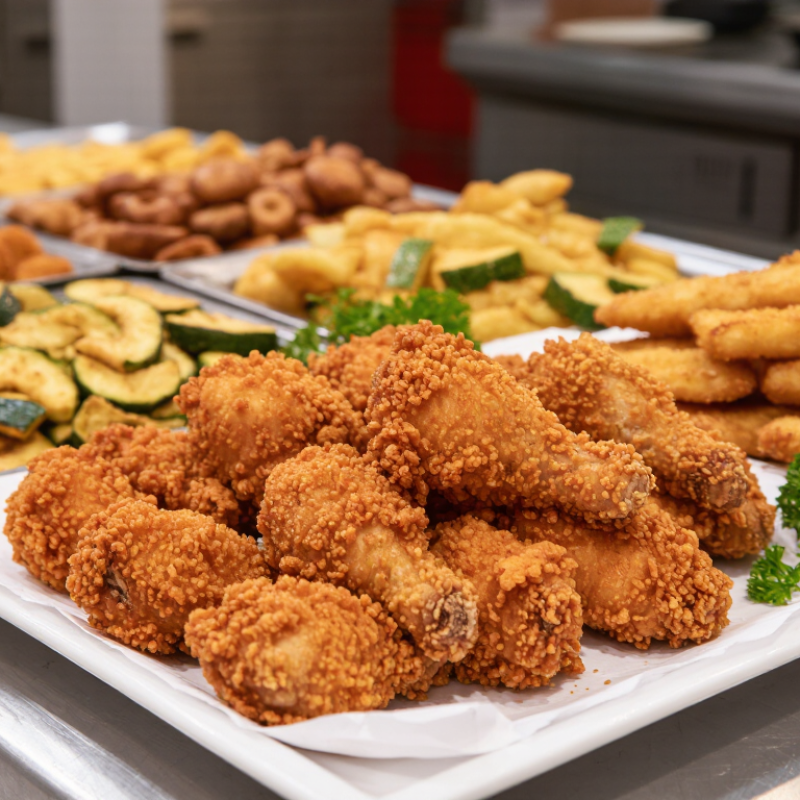
Golden Breadcrumbs earn buyer attention for a simple reason: they make food look crisp before the first bite. Their warm, even color can give fried chicken, fish, vegetables, and baked toppings a familiar, appetizing finish. Buyers also value practical performance. A consistent crumb size can support predictable coating, portioning, and appearance across busy kitchens. Small details matter.

The USDA Economic Research Service’s Food Expenditure Series reports that food away from home represented 58.5% of U.S. food spending in 2023. That figure does not prove demand for any particular breadcrumb, but it highlights the scale of restaurant and food-service purchasing. For those buyers, dependable ingredients can help keep products consistent across shifts and locations. Golden Breadcrumbs may suit that need, especially when color and crunchy texture are part of the expected eating experience.

Still, appearance alone is not enough. Buyers should compare ingredient lists, allergen information, crumb texture, packaging, and performance in their own recipes. A coating that looks golden in the bag may darken too quickly in a fryer, or soften under sauce. Worth testing. Supplier claims should be checked against product specifications and kitchen trials, not accepted on color alone. That practical caveat is easy to miss. Golden Breadcrumbs can be a strong choice, but the best option depends on the menu, cooking method, and customer expectations.
Why Are Golden Breadcrumbs a Top Choice for Buyers?

What Golden Breadcrumbs Are and How They Are Made

Golden breadcrumbs are dried, finely ground pieces of bread with a yellow-gold to light-brown color. They are used to coat foods, add a crisp surface, or give fillings a little structure. The exact shade depends on the bread and how it is baked or toasted. That color matters.

Production usually begins with bread baked from flour, water, yeast, and other ingredients. Once cooled, the bread is broken into pieces and dried until its moisture is low enough for grinding. Some makers toast the crumbs to deepen their color and flavor. The pieces are then sifted to create a more even texture. Small differences remain.

Golden breadcrumbs may feel fine and sandy, or slightly coarse between the fingers. Coarser crumbs tend to form a more pronounced crust, while finer ones coat food evenly. Recipes and equipment affect the final result, so color alone does not guarantee a particular crunch. A very dark batch can taste more toasted, sometimes more bitter. That is not always an improvement. For consistent use, check the ingredient list and keep opened crumbs sealed in a cool, dry place; moisture can soften their texture.


Key Qualities That Set Golden Breadcrumbs Apart

Golden breadcrumbs stand out through more than appearance. Their warm, toasted color gives baked dishes a crisp-looking finish, especially on casseroles, vegetables, and fish. For consistent results, an even crumb size helps the coating brown more uniformly and cling without forming thick patches. Small details count.

Texture is another useful quality. Fine crumbs create a close coating, while a coarser cut adds a more noticeable crunch. Golden breadcrumbs are often pre-toasted, so they may color quickly in the oven or pan. Watch the heat. Their existing color can make over-browning harder to spot, and cooking times vary with crumb size and moisture.

They are also easy to season. A pinch of pepper, dried herbs, or grated hard cheese can suit the dish, but check the ingredient list before adding salt; some products are already seasoned. For a crisp topping, mix the crumbs with a little oil or melted butter and spread them loosely. Keep them sealed and dry, since stale crumbs lose their crunch. Not every dish needs that texture, though; a softer filling may call for a gentler coating.

How Golden Breadcrumbs Improve Texture, Color, and Flavor

Golden breadcrumbs improve a coating through more than appearance. Their fine, dry particles spread evenly over chicken, fish, or vegetables. In the pan, the surface turns crisp while the center stays tender. A coarse crumb can add crunch, but it may leave bare patches. Particle size matters.

Color and flavor develop together during cooking. Heat browns the crumb’s sugars and proteins, creating toasted aromas and a warm golden finish. USDA FoodData Central lists dry plain breadcrumbs at about 72 grams of carbohydrate per 100 grams. That starch-rich base helps form a crisp surface, though browning also depends on heat, moisture, and cooking time. A light oil coating can deepen the color; too much may make the crust greasy. Watch the edges. They darken quickly.

For a more even finish, press crumbs gently onto a lightly moistened surface, then leave the coating undisturbed until it sets. This practical approach reduces loose crumbs in the pan. It is not foolproof: thick pieces may brown before the center cooks. The USDA figure describes composition, not a guaranteed texture or flavor, so test the coating with the food and equipment being used.

Common Uses of Golden Breadcrumbs in Cooking

Why Are Golden Breadcrumbs a Top Choice for Buyers?
Common Uses of Golden Breadcrumbs in Cooking

Golden breadcrumbs are useful when a dish needs a crisp, evenly browned coating. Press them gently onto chicken, fish, or sliced vegetables after dipping each piece in egg or another suitable binder. A light, even layer helps the crumbs toast without hiding the food’s flavor. For a less oily finish, arrange coated pieces on a lightly greased baking tray and turn them once during cooking. Watch closely near the end; crumb color can deepen quickly. Small details matter.

They also add texture to baked pasta, casseroles, and gratins. Scatter a thin layer over the top before baking, with a little oil or melted butter to encourage browning. For meatballs or vegetable patties, mix a small amount into the ingredients to help bind them. Add gradually: too much can make the mixture dense, and the right amount depends on its moisture. Golden crumbs are convenient, but they are not a fix for every texture problem. A soggy topping may need less moisture, not more crumbs.

Why Are Golden Breadcrumbs a Top Choice for Buyers?

Common Uses of Golden Breadcrumbs in Cooking

Typical amounts per four servings: Golden breadcrumbs add a crisp coating to fish or chicken, help bind meatballs, and create a crunchy topping for casseroles, macaroni and cheese, and stuffed vegetables. Amounts are practical estimates and vary by recipe.

What Buyers Consider When Choosing Golden Breadcrumbs

Buyers choosing golden breadcrumbs should match crumb size to the finished dish. Fine crumbs create a close, even crust on fish or vegetables, while larger flakes add a rougher crunch to baked toppings. Check color across several handfuls, not just the package window; uneven browning can signal inconsistent batches. Color alone is a weak shortcut. USDA FoodData Central lists nutrient values for different breadcrumb entries, a useful reminder that recipes and nutrition profiles vary. Compare the supplier’s specification sheet and label rather than assuming all golden crumbs are alike.

For health-conscious menus, sodium deserves a close look. FDA Nutrition Facts guidance sets the sodium Daily Value at 2,300 milligrams; 20% Daily Value or more per serving is considered high. Buyers should also confirm allergen statements, ingredient lists, pack size, and storage instructions before placing volume orders. In a kitchen test, fry or bake the crumbs using the intended recipe, then check adhesion, color, crispness, and how quickly the coating softens. A sample can look ideal and still disappoint after delivery or cooking. Ask for batch consistency and shelf-life details, too; these practical checks matter as much as a golden appearance.

Stay Connected

Sign up today to keep up with the newest information from one of the Southeast’s leading suppliers of fluid handling equipment!