
Nitrate Based Fertilizer is in high demand because it supplies nitrogen in a form plants can absorb quickly. Farmers use nitrate-containing products across fruit, vegetable, grain, and greenhouse production. Some products also provide nutrients such as calcium or potassium, depending on their formulation. That matters. In a field, timely nitrogen can support leafy growth and crop development, especially when soil supplies are limited. Water-soluble formulations can also fit fertigation systems, where nutrients are delivered through irrigation. The appeal is practical: growers can match applications more closely to crop stages and production needs.
Demand is shaped by more than crop nutrition alone. Intensive farming, protected cultivation, and pressure to produce reliable harvests all contribute. Yet nitrate moves readily with water, so heavy rain or excessive irrigation can carry it below the root zone. That can waste fertilizer and create environmental concerns. It is not automatic. The right product, rate, and timing depend on crop, soil, weather, and irrigation conditions. Cost and storage requirements also influence purchasing decisions, while product composition varies between formulations. A clear explanation of demand should therefore weigh convenience and rapid availability against these limits. The following discussion can examine the main market drivers, common agricultural uses, and practical considerations for responsible application. It should avoid treating nitrate fertilizer as a universal solution: careful soil testing and locally appropriate recommendations remain essential. One detail is easy to overlook: fast availability helps only when roots can use the nutrient.
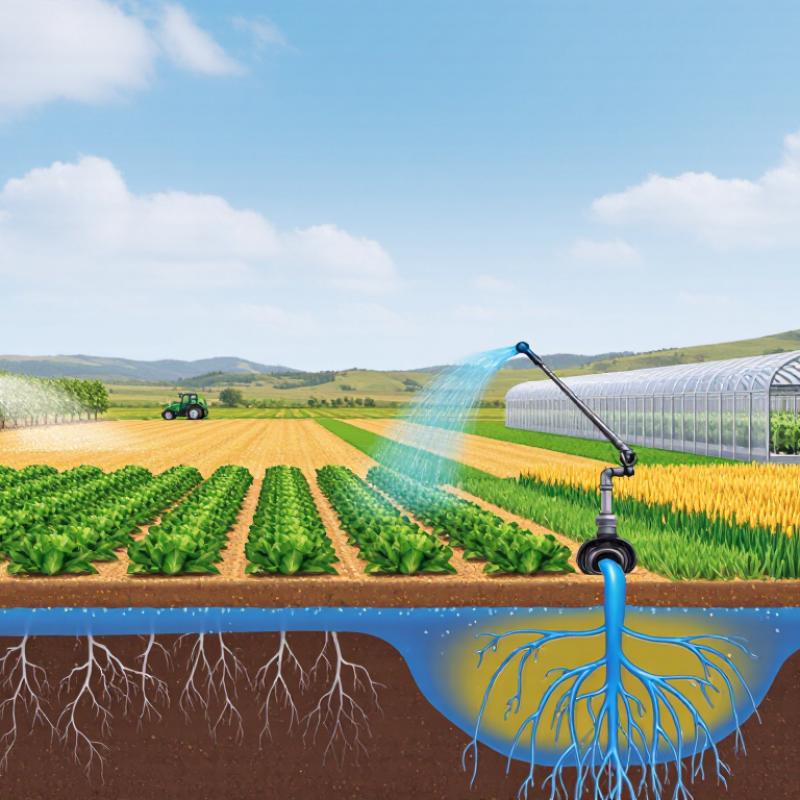
Nitrate-based fertilizers are materials that provide nitrogen as nitrate ions (NO3−), often alongside other nutrients. Some products also contain ammonium, making nitrogen available in more than one form. Because nitrate dissolves readily in water, it can move through moist soil toward active roots. Roots absorb it, and plants use the nitrogen to make amino acids, proteins, and chlorophyll. These compounds support leaf growth and photosynthesis. Effects can appear quickly. Still, a quick green response is not proof of balanced nutrition.
That solubility requires careful management. Heavy rain or excessive irrigation can carry nitrate below the root zone, where crops may not capture it. Applying smaller, well-timed amounts can improve uptake, though the right schedule depends on the crop, soil, and weather. A soil test helps show whether nitrogen is needed. Growers should also consider crop growth stage and local recommendations. More is not automatically better. Overapplication can waste money, increase nitrate loss, and encourage excessive leafy growth. One limitation is easy to miss: nitrate moves, while a plant’s demand changes week by week. Field decisions can be messy. Even careful estimates need checking against crop appearance and soil conditions.

Nitrate-based fertilizers are widely used because plants can absorb nitrate nitrogen directly through their roots. This form of nitrogen supports the production of amino acids, proteins, and chlorophyll. With adequate nitrogen, young leaves can develop a healthy green color and capture more sunlight. That matters during active growth, when crops are building stems and foliage. Timing matters.
Nitrate nitrogen can act quickly, but its benefits depend on crop needs, soil conditions, and weather. Heavy rain may move nitrate below the root zone, while excess nitrogen can encourage leafy growth at the expense of other needs. A grower might see pale lower leaves and suspect nitrogen shortage, but symptoms can have other causes. Soil testing and crop observation provide a more reliable basis for decisions. It is easy to assume that more fertilizer means faster growth; that assumption deserves a second look.
Tips: Check soil-test results and follow local crop guidance. Apply amounts suited to the crop’s growth stage, and avoid spreading fertilizer before heavy rain when practical. વધુ is not better.
Farmers choose nitrate-based fertilizers because nitrate is already in a form roots can absorb. When crops are growing quickly, that can help deliver nitrogen without waiting for soil microbes to convert urea or ammonium. A grower side-dressing leafy vegetables, for example, can place soluble nitrate near active roots and respond to visible pale leaves. The International Fertilizer Association’s 2024 medium-term outlook estimated global fertilizer consumption at about 205 million tonnes of nutrients in 2023/24. That figure covers all major nutrients, not nitrate products alone, but it shows the scale of demand for reliable crop nutrition.
Speed matters. So does placement. Nitrate fertilizers dissolve readily, making them useful in fertigation and in cooler soils where microbial conversion may be slower. They can also reduce ammonia loss compared with surface-applied urea under some conditions. But the advantage is not automatic. Nitrate moves with water, so heavy rain or over-irrigation can carry it below the root zone. The IPNI 4R Nutrient Stewardship framework recommends matching nutrient source, rate, timing, and placement to crop needs and local conditions. That is practical guidance, not a guarantee. A farmer who applies nitrate too early may lose part of the investment. Soil tests, weather forecasts, and split applications help—but they do not make every field predictable.
Nitrate-based fertilizers are used where crops need readily available nitrogen during active growth. Vegetables, fruit orchards, and greenhouse crops often receive them through fertigation or carefully timed side-dressing. A grower may apply a soluble source through drip lines while lettuce heads are filling, or top-dress a cereal field before rapid stem growth. These systems value quick uptake and precise timing. But nitrate can move below roots after heavy rain or excessive irrigation.
The International Fertilizer Association’s Assessment of Fertilizer Use by Crop estimated that cereals accounted for roughly half of global fertilizer nutrient use in 2017/18. That figure covers fertilizer nutrients overall, not nitrate products alone. It nevertheless shows why wheat, maize, and rice are major nitrogen markets. Oilseeds, including canola, also need substantial nitrogen, while intensive vegetable production can require frequent, smaller applications. The best source and timing still depend on soil tests, crop stage, and local conditions.
Tip: Match application to crop uptake. Check soil nitrate before adding more, especially in sandy fields or under drip irrigation. Keep records of rates and rainfall; they reveal losses that a single field visit may miss. Precision is not perfect, either: sampling can miss uneven patches, so reassess after unusual weather.
| Crop or crop group | Typical farming system | Why nitrate fertilizers are used | Common application approach | Typical relevance |
|---|---|---|---|---|
| Leafy vegetables (lettuce, spinach, and similar crops) | Intensive open-field production and protected cultivation | Short growing cycles and rapid growth can make timely nitrogen supply valuable. Nitrogen management is important for yield and crop quality. | Split applications or fertigation, guided by crop stage and soil or plant tests. | High in intensive systems |
| Greenhouse vegetables (tomato, cucumber, and pepper) | Greenhouse or other protected systems, often using drip irrigation | Frequent irrigation and controlled nutrient delivery suit soluble nitrate sources. Calcium nitrate and potassium nitrate can also supply calcium or potassium, respectively. | Small, repeated fertigation doses adjusted to crop demand and water quality. | High |
| Brassicas (cabbage, cauliflower, and broccoli) | Commercial field vegetable production | These crops can have substantial nitrogen requirements during leafy growth and head or curd development; readily available nitrogen may be useful when a timely correction is needed. | Basal fertilizer plus carefully timed in-season applications, according to local recommendations. | Moderate to high |
| Potatoes | Field production, including irrigated production | Nitrogen supports canopy development, but excessive or poorly timed nitrogen can delay tuber maturity and affect crop quality. | Rate and timing matched to yield goals, soil supply, and the crop’s growth stage; split applications may be used. | Moderate |
| Fruit crops and berries | Orchards and berry farms using drip or microsprinkler irrigation | Soluble nitrate sources can be delivered through irrigation and adjusted during active growth. Nutrient programs also account for perennial crop needs and fruit quality. | Fertigation in repeated doses, with application guided by soil, water, and plant analyses. | Moderate to high in fertigation systems |
| Cereals (wheat, barley, and maize) | Large-scale rain-fed or irrigated field farming | Nitrate-containing fertilizers can provide readily available nitrogen for in-season applications. They compete with other widely used nitrogen sources, so use varies by region and farm practice. | Often applied in split doses or as a top-dressing when supported by local guidance and weather conditions. | Variable |
| Rice | Flooded or intermittently flooded paddy systems | Nitrate is often less suited to continuously flooded soils because soil conditions can promote nitrate loss through denitrification. Nitrogen management commonly considers other forms and application timing. | Follow paddy-specific recommendations; avoid assuming nitrate sources are the preferred option. | Generally lower in flooded systems |
Nitrate-based fertilizers supply nitrogen in a form plants can absorb quickly. That speed appeals to growers managing fast-growing vegetables, cereals, and fruit crops, especially when early growth or visible nitrogen deficiency needs attention. The OECD-FAO Agricultural Outlook 2024–2033 projects global agricultural production to grow by 1.1% annually, with productivity gains supporting much of that increase. Higher output targets help sustain demand for dependable nitrogen sources. But nitrate is not a universal fix. Its performance depends on crop, soil, weather, and application timing.
Market demand also reflects the need for flexible field operations. Many nitrate products dissolve readily, making them suitable for fertigation and targeted applications. The International Fertilizer Association’s 2024 outlook estimated global fertilizer consumption would rise about 4% to 192.5 million tonnes of nutrients in 2023/24. This figure covers all fertilizer types, not nitrate alone, but it signals renewed pressure on nutrient supply. Growers also weigh price, availability, and expected yields. Rain can move nitrate below the root zone. It can leach. That risk makes careful placement and rates important, though real-world timing is not always perfect.
Tips: Match application rates to soil tests and crop needs. Split applications can help align nitrogen supply with plant uptake, especially where heavy rain is likely. Keep local agronomic advice in view.
Sign up today to keep up with the newest information from one of the Southeast’s leading suppliers of fluid handling equipment!