What is Wood Veneer and Why is it Important for Your Business?
In the world of woodworking, Wood Veneer is an essential material. It refers to thin slices of wood, typically less than 3 millimeters thick. This versatile product plays a crucial role in furniture making, cabinetry, and interior design. Companies that utilize wood veneer often achieve a balance of aesthetics and functionality.
Wood veneer enhances the beauty of wood without the expense of solid lumber. This material allows businesses to create stunning products while minimizing waste. Skilled artisans and manufacturers rely on wood veneer to showcase fine grain patterns. The appeal of wood veneer lies in its ability to deliver luxury at a lower cost.
However, it's important to choose quality veneers carefully. Varieties differ in durability and appearance. Misleading labels can lead to unexpected results. Therefore, businesses must verify their sources. Investing in genuine wood veneer guarantees both integrity and beauty in final products. With thoughtful selection, companies can elevate their offerings while embracing sustainability.
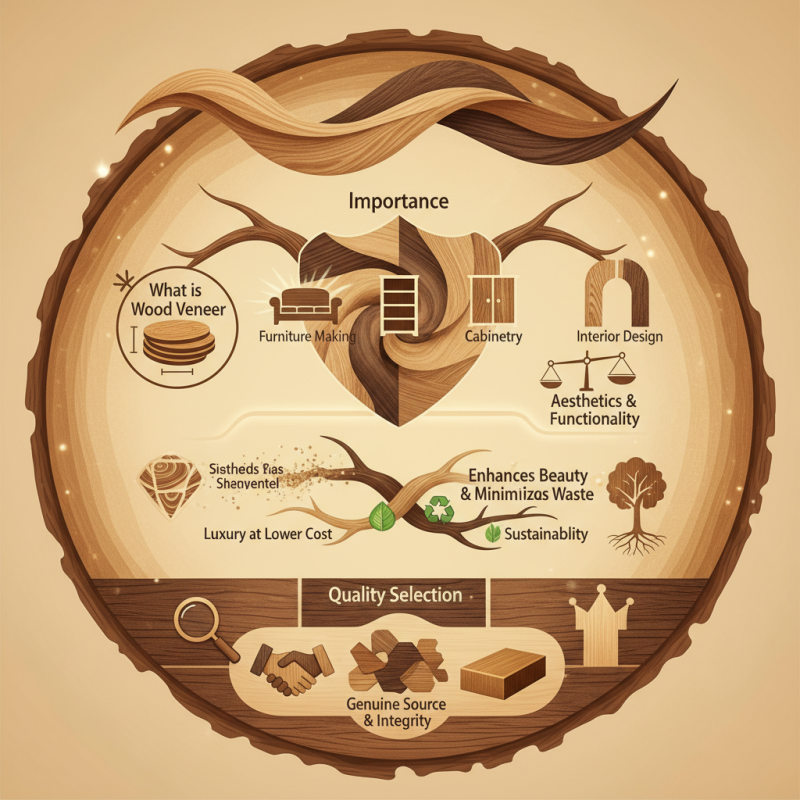
What is Wood Veneer and Its Composition
Wood veneer is a thin layer sliced from a log. This material is often used in furniture, cabinetry, and decorative finishes. The composition of wood veneer is crucial. Typically, it consists of high-quality hardwoods, which offer durability and an attractive appearance.
Veneer is crafted through various methods, such as rotary cutting or slicing. Each method influences the grain patterns and texture of the final product. This versatility allows businesses to achieve unique aesthetics. However, working with veneer requires precision. This material can be less forgiving than solid wood. Any mistakes during application or finishing can compromise its beauty.
In addition, the environmental impact of using wood veneer can be positive. It utilizes less wood compared to solid lumber, promoting sustainability. Yet, it's important to source veneer responsively to avoid deforestation issues. Businesses must reflect on their material choices. Selecting the right wood veneer can enhance product value while supporting eco-friendly practices.
Historical Significance and Evolution of Wood Veneer
Wood veneer has a rich history that dates back thousands of years. Ancient civilizations, including the Egyptians and Mesopotamians, utilized veneers for their aesthetic and practical qualities. These thin layers of wood allowed artisans to create beautiful furniture and decorative surfaces. The use of wood veneer spread throughout Europe during the Renaissance. Craftsmen began to experiment with different designs, enhancing the value of their creations.
In the 19th century, advancements in technology revolutionized veneer production. The invention of slicing machines made it easier to produce veneers in bulk. This evolution led to more accessible decorative options for a broader range of consumers. However, the rise of mass production came with concerns about sustainability. The demand for veneer can strain forest resources if not managed responsibly. Business owners today must reflect on sourcing practices to ensure they support sustainable forestry.
Today, wood veneer remains significant in various industries. Its lightweight nature and versatility make it ideal for furniture, cabinetry, and interior design. However, not all veneers are created equal. The quality often depends on the source and production methods. Understanding these factors is crucial for businesses wanting to make informed, ethical choices. Balancing innovation with responsibility continues to shape the future of wood veneer.
Applications of Wood Veneer in Various Industries
Wood veneer has a wide array of applications across different industries. In the furniture sector, it is often used to create stunning surfaces that mimic solid wood. This is particularly important for reducing costs while still achieving a high-end look. Wood veneer can transform ordinary pieces into eye-catching furniture. The intricate patterns and grains add uniqueness that consumers value. However, the challenge lies in selecting quality veneers to maintain durability.
In the construction industry, wood veneer finds its place in wall paneling and cabinetry. Custom designs can enhance spaces, making them feel warmer and more inviting. Architectures often face the dilemma of balancing aesthetics with environmental impact. Using veneers wisely allows for efficient use of materials, but sourcing responsibly is crucial. Companies may struggle to ensure sustainable practices in a competitive market.
The automotive industry also utilizes wood veneer. Luxury vehicles often feature wooden accents for a touch of elegance. This enhances the overall aesthetic appeal, but it leads to questions about the sourcing of the wood. Designers face the responsibility of choosing eco-friendly options. Failure to consider this can lead to backlash from consumers who prioritize sustainability. The importance of wood veneer in various sectors underscores the need for thoughtful application and ethical sourcing.
Advantages of Using Wood Veneer for Business Growth
Wood veneer is a thin layer of wood, typically less than 3mm thick, that is sliced from logs. This material allows businesses to enjoy the beauty of solid wood at a fraction of the cost. Reports indicate that the wood veneer market is projected to grow at a CAGR of over 6% from 2021 to 2026. This growth highlights its importance in various industries, especially in furniture and interior design.
Using wood veneer can significantly enhance the aesthetic appeal of products. It offers the warmth and texture of real wood while minimizing waste. According to industry data, more than 70% of furniture manufacturers now incorporate wood veneer for both cost-efficiency and sustainable practices. This shift not only attracts eco-conscious consumers but also supports brand image.
Tip: When choosing wood veneer, consider its thickness and grain pattern. Thicker veneers provide better durability, while unique grain patterns can elevate product uniqueness. Additionally, ensure that your supplier is reputable. This can guarantee the quality and sustainability of the materials you are using. Balancing aesthetics with practicality is key in design decisions. This requires careful selection and ongoing reflection on consumer preferences.
Advantages of Using Wood Veneer for Business Growth
Sustainability and Eco-friendliness of Wood Veneer Products
Wood veneer is gaining attention for its sustainability and eco-friendliness. Unlike solid wood, veneer is often produced from fast-growing trees. This process conserves resources. Research from the Forest Stewardship Council indicates that selective logging for veneer can yield 10 to 30 times more product than traditional lumber methods. This efficiency helps reduce deforestation and protects biodiversity.
Using wood veneer in business can also minimize waste. The thin sheets allow for large surface areas to be covered with minimal material. According to a report by the U.S. Forest Service, utilizing veneers can lead to over 50% less waste compared to solid wood. Companies committed to sustainability find that embracing wood veneers aligns with eco-conscious consumer demands.
Yet, there are challenges to consider. Some may question the durability of veneers compared to solid wood. Proper handling and application are essential. The reality is that not all veneers are created equal. Selecting high-quality veneers from reliable sources can mitigate potential issues. The shift toward sustainable materials is essential, but it necessitates careful assessment to ensure long-term viability and consumer satisfaction.