
Top 10 Best Garden Irrigation Systems for 2026
Choosing the right garden irrigation system can transform a dry, uneven garden into a healthier and more manageable space. However, the best option depends on soil type, plant variety, garden size, water pressure, and local weather. A compact drip system may suit raised beds, while rotating sprinklers can cover broader lawns more efficiently. Some gardens need both.
This guide examines the Top 10 Best Garden Irrigation Systems for 2026 through practical, evidence-based criteria. We consider watering consistency, installation effort, timer accuracy, durability, maintenance, and long-term water use. Product specifications and user experiences both matter. Neither tells the whole story.
Small details can change performance. A clogged filter may weaken several emitters. A badly placed sprinkler can leave one corner dusty and another flooded. Smart controllers may reduce waste, but they still need sensible schedules and reliable weather data. That distinction matters.
The selections reflect current design trends and real gardening concerns, not simply impressive features. No system is perfect. I may favor adjustable controls, yet some gardeners prefer simple equipment they can repair themselves. Local regulations, seasonal rainfall, and available replacement parts also deserve attention. A system that performs well in one region may disappoint elsewhere.
Use this list as a careful starting point. Compare coverage charts, check connection sizes, and inspect warranty terms before buying. The most expensive choice is not automatically the most dependable. A well-fitted, regularly checked system often delivers better results than a sophisticated setup installed without planning.
How Garden Irrigation Systems Work
Top 10 Best Garden Irrigation Systems for 2026
How Garden Irrigation Systems Work
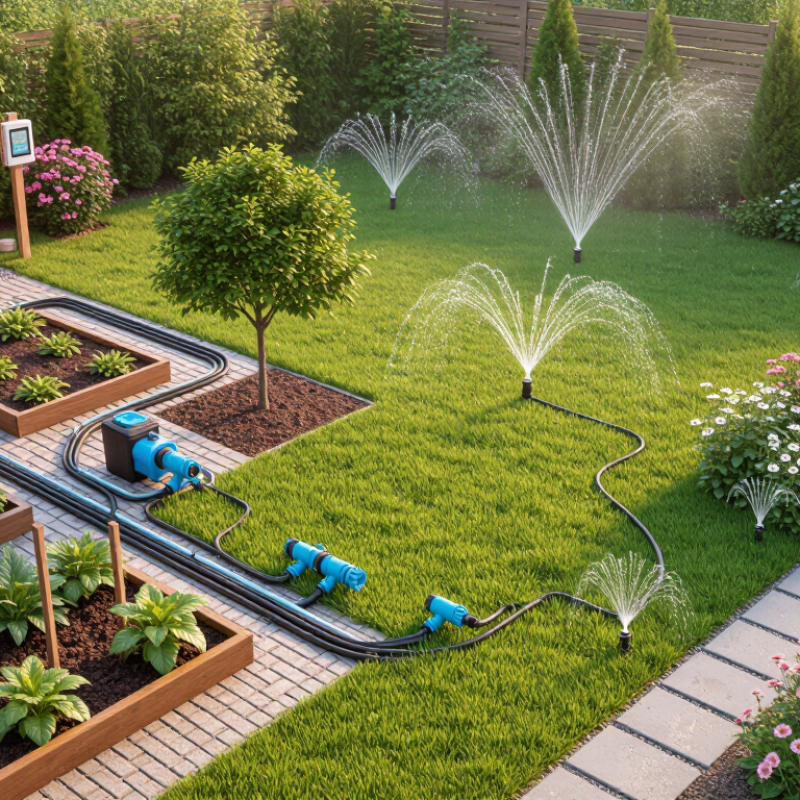
A garden irrigation system moves water from a supply line through filters, valves, pipes, and emitters. Each component controls pressure, timing, or delivery. Drip lines release water slowly beside plant roots. Sprinklers spread droplets across larger beds, but wind can carry some water away.
The operating logic is simple. A timer opens an electric valve at scheduled hours. Water then travels through the selected zone. Soil moisture sensors can delay watering after rain. Weather-based controllers adjust schedules using temperature, rainfall, and evaporation data. EPA WaterSense estimates that weather-based irrigation controllers can save an average household about 8,800 gallons annually.
Small details matter. A clogged filter creates dry patches. Excessive pressure produces mist instead of useful droplets. Uneven soil can also mislead a sensor. I once found a healthy-looking bed receiving twice the water of a nearby container. The timer was correct; the layout was not.
The FAO AQUASTAT database reports that agriculture accounts for roughly 70% of global freshwater withdrawals. Garden irrigation is smaller, but inefficient systems still waste measurable water. Efficient design begins with plant zones, soil type, and root depth. A timer alone cannot solve poor placement. This is where many systems disappoint.
| Rank | Irrigation System | How It Works | Typical Operating Pressure | Typical Coverage or Spacing | Approximate Water-Use Efficiency | Best For | Main Advantages | Common Limitations | Automation Potential |
|---|---|---|---|---|---|---|---|---|---|
| 1 | Subsurface Drip Irrigation | Perforated tubing is buried below the soil surface and releases water directly into the root zone. | 15–30 psi | Burial depth: usually 10–30 cm; lateral spacing depends on soil type and crop roots. | 85–95% | Vegetable beds, perennial borders, orchards, and areas where surface tubing is undesirable. | Very low evaporation, minimal foliage wetting, and a clean appearance. | Leaks and clogged emitters can be difficult to detect; installation requires careful planning. | Excellent; works with filters, pressure regulators, valves, and soil-moisture sensors. |
| 2 | Inline Dripline | Pressure-compensating or non-compensating emitters built into a tube deliver slow, measured flow along planted rows. | 10–30 psi | Emitter spacing commonly ranges from 20–45 cm; suitable for long rows and hedges. | 90–95% | Raised beds, vegetable gardens, hedges, and densely planted borders. | Uniform root-zone watering, low runoff, and efficient use of water. | Requires filtration and flushing; rodents, digging, and sharp bends may damage tubing. | Excellent; easily divided into timed irrigation zones. |
| 3 | Point-Source Drip Irrigation | Individual emitters apply a controlled flow to selected plants through small distribution tubes. | 10–30 psi | Emitter spacing is customized; commonly one or more emitters per plant. | 85–95% | Containers, shrubs, trees, mixed plantings, and plants with different water requirements. | Highly precise and easy to customize for individual plants. | More fittings and exposed tubing can increase maintenance and installation time. | Excellent; compatible with timers, valves, and moisture-based controls. |
| 4 | Micro-Sprinkler System | Small spray heads, bubblers, or rotating devices distribute a gentle pattern over a limited area. | 15–30 psi | Typical radius: approximately 1.5–4 m, depending on nozzle and pressure. | 70–85% | Flower beds, nurseries, ground cover, small fruit trees, and sandy soils. | Provides broader coverage than drip while using less water than many large sprinklers. | Some water is exposed to wind and evaporation; spray heads may be disturbed by pets or tools. | Excellent; can be installed as separate low-pressure zones. |
| 5 | Soaker Hose System | A porous hose slowly seeps water along its length, moistening the soil beside or beneath the hose. | 10–25 psi | Usually laid 30–45 cm apart, depending on soil texture and plant spacing. | 70–90% | Small beds, borders, hedges, and simple do-it-yourself installations. | Low cost, simple to install, and produces little airborne spray. | Water distribution can be uneven on slopes or long runs; excessive pressure may cause misting. | Good; works with a timer and pressure regulator. |
| 6 | Oscillating Sprinkler | A row of nozzles moves through an arc, creating a rectangular or square pattern of fine water streams. | 30–50 psi | Common coverage: approximately 90–280 m², depending on water pressure and model design. | 60–75% | Small and medium lawns, rectangular beds, and temporary watering areas. | Easy to reposition and provides relatively uniform coverage on level ground. | Wind can distort the pattern; some water may land on paths or other non-planted surfaces. | Moderate; can be connected to a hose timer or automatic valve. |
| 7 | Gear-Drive Rotary Sprinkler | A rotating head uses internal gears to distribute water in a controlled circular or adjustable arc. | 30–50 psi | Typical radius: approximately 4–10 m, depending on nozzle, pressure, and model. | 60–75% | Medium lawns and larger landscaped areas requiring adjustable arcs. | Quiet operation, adjustable coverage, and slower application than many spray heads. | Needs adequate pressure and head-to-head coverage planning to avoid dry spots. | Excellent; suitable for permanent zones controlled by valves and timers. |
| 8 | Impact Sprinkler | A spring-loaded arm interrupts the water stream and rotates the sprinkler head across a circular or partial-circle pattern. | 40–70 psi | Typical radius: approximately 6–18 m, depending on nozzle size and pressure. | 55–70% | Large lawns, open gardens, and areas where long throw distance is required. | Durable, adjustable, and capable of covering broad open spaces. | Usually louder than gear-drive heads; wind and overspray can reduce precision. | Excellent; can be installed on permanent underground zones. |
| 9 | Traveling Sprinkler | A wheeled sprinkler moves along a hose or designated path while spraying water from rotating arms. | 40–60 psi | Suitable for long, open lawn areas; coverage depends on travel path and hose length. | 50–70% | Large lawns where permanent underground irrigation is not installed. | Reduces the need to move a sprinkler manually and can cover wide areas. | Requires a clear path, may leave wheel tracks, and normally provides less precise coverage. | Limited; generally used with a hose timer or automatic shutoff device. |
| 10 | Smart Zoned Irrigation System | Multiple irrigation zones are controlled by a programmable controller that adjusts watering using schedules, weather data, or soil sensors. | 25–60 psi, depending on the sprinkler or drip zones | Coverage is designed by zone; separate zones can serve lawns, beds, containers, and trees. | 70–95% | Mixed landscapes, busy gardeners, water-conscious properties, and larger gardens. | Allows different watering schedules, rain adjustments, leak alerts, and remote control. | Higher installation cost and greater setup complexity; sensors require correct placement. | Excellent; supports weather-based scheduling, flow monitoring, and soil-moisture sensors. |
Typical pressure, coverage, spacing, and efficiency figures vary with soil type, pipe size, water quality, elevation, nozzle selection, wind, and system maintenance. A filter and pressure regulator are recommended for most drip and micro-irrigation installations.
Related Posts
-
7 Secrets to Selecting the Best Sprinkler System Installation for Your Landscape
-
How to Identify Top Suppliers for the Best Outdoor Cooking Station
-
What Is a BBQ Island and How Does It Work?
-

5 Essential Tips for Setting Up Your Perfect Outdoor Grill Station
-
How to Choose the Best Outdoor Fountains for Your Space?
-

Ultimate Guide to the Best Outdoor Grill Station: 5 Key Specifications You Must Know



Stay Connected
Sign up today to keep up with the newest information from one of the Southeast’s leading suppliers of fluid handling equipment!