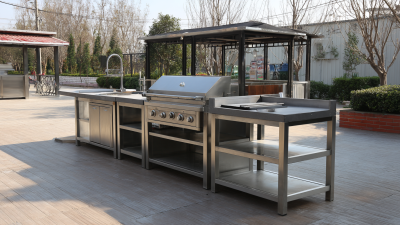

What Is a BBQ Island and How Does It Work?

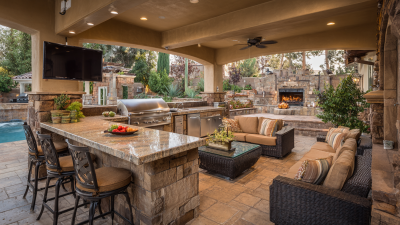
A bbq island is more than a grill placed beside a patio. It is a purpose-built outdoor cooking station with a grill, counters, storage, and sometimes a sink or refrigerator. Its structure may use masonry, concrete, metal, or weather-resistant cabinetry. The design should match the space, cooking habits, and local climate.

Steven Raichlen, a widely recognized barbecue author and educator, has said, “Barbecue is not just food; it’s an experience.” A bbq island makes that experience more practical. Imagine searing steaks beside a stone countertop, while utensils rest in a nearby drawer. Guests can talk with the cook without crowding the indoor kitchen. That convenience is often the island’s greatest value.

However, a bbq island is not automatically a better outdoor kitchen. Poor ventilation, weak foundations, and unsuitable materials can create expensive problems. Gas, electrical, and plumbing work should follow local safety requirements. Professional installation may be necessary. The island also needs clearance from walls, roofs, furniture, and combustible surfaces. These details are easy to overlook.

This guide explains what a bbq island includes and how its main systems work together. It explores cooking equipment, counter space, fuel choices, storage, ventilation, and weather protection. It also considers maintenance and realistic installation costs. Some designs look impressive but offer little working space. Others seem modest yet perform exceptionally well. The best choice depends on how often you cook, what you prepare, and how much upkeep you accept.
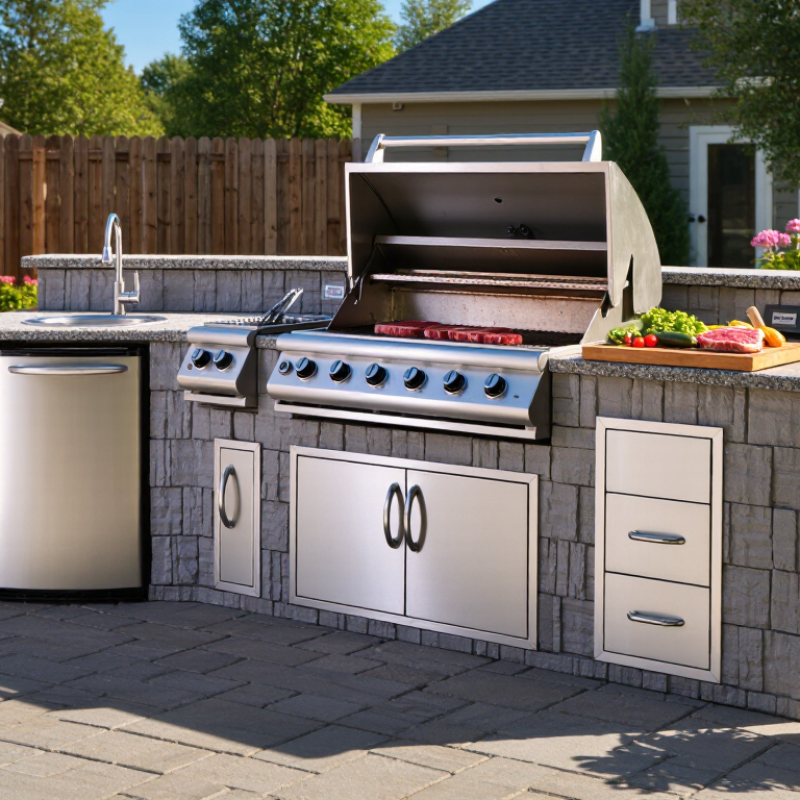
What Is a BBQ Island and How Does It Work?

What Is a BBQ Island?

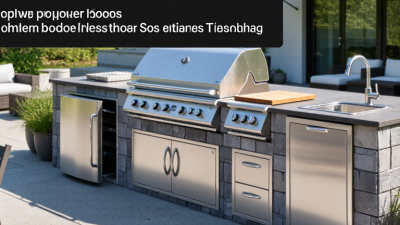
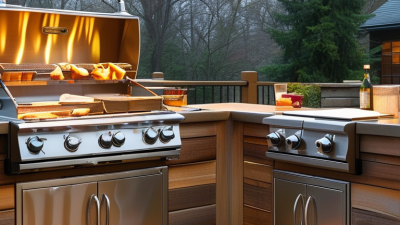
A BBQ island is a permanent outdoor cooking station, not simply a grill placed beside a patio. It usually combines a built-in grill, heat-resistant countertop, storage cabinets, and space for food preparation. Some islands also include a sink, refrigerator, side burner, lighting, or waste storage. The structure may use masonry, concrete, or weather-resistant panels. Its layout should support a simple movement: raw food from storage, cooking at the grill, and serving across the counter.

The island works through coordinated zones. Gas, electricity, drainage, and ventilation must be planned before construction. A professional installer should check clearances, fuel connections, and local safety requirements. NFPA’s Home Grill Fires report recorded an average of 11,421 home grill fires annually from 2017 to 2021. That figure makes ventilation and safe placement more than design details. They are essential.

Cooking performance also depends on temperature control. USDA FSIS guidance recommends 145°F for whole cuts of meat, 160°F for ground meat, and 165°F for poultry. A reliable thermometer belongs in the island’s working area. In my experience, deep counters often look impressive but create awkward reaching. Storage should stay close, but not directly beside intense heat. The word “island” can mislead people; it is not automatically self-contained. Poor drainage, limited shade, or an inaccessible shutoff can make an expensive outdoor kitchen frustrating to use.

Key Components of a BBQ Island

What Is a BBQ Island and How Does It Work?

Key Components of a BBQ Island

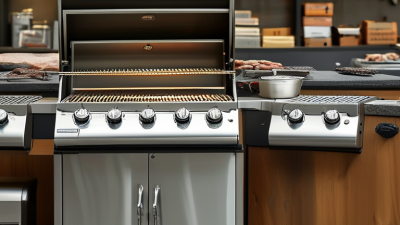
A BBQ island is an outdoor cooking station built around a grill. It combines cooking, storage, and preparation space in one fixed area. The grill provides direct heat for searing meat, vegetables, and seafood. Some models also include burners for sauces or side dishes. I have found that a generous countertop makes cooking much less stressful.

The main components include the grill, heat-resistant countertop, cabinets, and fuel connection. Cabinets store tools, trays, and seasonings away from rain and dust. A stable countertop gives you room to season food before it reaches the heat. Ventilation panels are essential when the island uses gas. They help prevent dangerous gas buildup inside enclosed spaces. A sink, refrigerator, or waste container can improve workflow, but each requires careful planning. The layout is rarely perfect at first.

Tips: Leave clear space around hot surfaces. Keep combustible materials away from the grill. Check fuel lines and connections regularly. An experienced installer should inspect gas systems and electrical work. I once underestimated counter space, and crowded preparation areas quickly became frustrating. Measure your cooking tools before finalizing cabinet sizes. Also, choose surfaces that resist heat, moisture, grease, and frequent cleaning. A small level can reveal uneven installation before it becomes a daily annoyance.

What Is a BBQ Island and How Does It Work? — Key Components of a BBQ Island

A BBQ island is a permanent outdoor cooking station that combines cooking, preparation, cleaning, storage, and utility connections in one countertop structure. The chart shows typical planning widths for common components; actual dimensions vary by layout and equipment.

How a BBQ Island Works

A BBQ island is a fixed outdoor cooking station with a grill, counter space, storage, and utility connections. It works like a small kitchen, but its heat and weather demands are different. Fuel enters through a gas line or a refillable cylinder. Electric models use a dedicated circuit. The burner creates heat beneath the cooking grate, while vents help control airflow and reduce trapped gas or heat.

The cooking process depends on steady heat movement. Open burners heat the grate directly, while heat shields spread energy across the surface. A lid holds hot air around thicker food, such as chicken or brisket. Grease falls into a tray, which must remain accessible for cleaning. The U.S. Department of Agriculture recommends cooking poultry to 165°F, so a reliable food thermometer matters more than visual judgment. Guessing is risky.

Good construction also requires clearance from walls, roofs, and combustible materials. The National Fire Protection Association reported an average of 11,421 home fires involving grills each year from 2017 to 2021. That figure deserves attention. Ventilation, shutoff access, and stable surfaces are not decorative details. They are working safety systems. The Hearth, Patio & Barbecue Association reported that about 80% of U.S. households owned a grill or smoker in 2024. Yet ownership does not guarantee good installation. I have seen attractive outdoor kitchens with poor drainage and awkward grease access. They look finished, but they work badly.

What Is a BBQ Island and How Does It Work? - How a BBQ Island Works

BBQ Island Element What It Is How It Works Typical Considerations
Built-In Grill The primary cooking appliance installed into the island structure. Burners generate heat beneath cooking grates, while heat diffusers help distribute that heat across the grilling surface. Cooking area, heat output, grate material, lid design, and fuel type affect performance.
Island Structure A permanent outdoor counter or cabinet system that supports the grill and provides work space. The frame carries the weight of the appliances and countertop while enclosing storage and utility areas. The structure should be weather-resistant, level, stable, and suitable for outdoor use.
Fuel Supply The system that delivers energy to the grill, commonly natural gas, propane, charcoal, or electricity. Gas or electricity reaches the appliance through approved connections, while charcoal produces heat through combustion. Gas connections require proper sizing, shut-off access, leak checks, and compliance with local codes.
Control System Knobs, valves, ignition components, and temperature controls used to operate the grill. Adjusting the controls changes gas flow, electrical heating, or airflow, which changes cooking temperature. Controls should remain accessible and protected from excessive heat and moisture.
Ventilation Openings Vents that allow heat and leaked gas to escape from enclosed cabinet spaces. Openings promote air movement and reduce the risk of heat or combustible gas accumulating inside the island. Vents must not be blocked, covered, or removed; placement should follow appliance and local code requirements.
Countertop A heat-resistant work surface surrounding the cooking appliance. It provides space for food preparation, serving, utensils, and temporary placement of cookware. The surface should resist outdoor moisture, stains, temperature changes, and routine food preparation.
Heat Zones Separate areas of the cooking grate with different temperature levels. One burner or section can provide higher direct heat while another provides lower indirect heat for slower cooking. Multiple burners make it easier to sear, finish, warm, or cook different foods at the same time.
Storage Cabinets Enclosed compartments located below or beside the countertop. They hold grilling tools, cookware, serving items, and other outdoor kitchen accessories. Storage areas should stay dry and should not be used to store fuel containers unless specifically designed and approved for that purpose.
Grease Management Trays, channels, or containers that collect cooking grease and food residue. Drippings move away from the burners into a removable area that can be emptied and cleaned. Regular cleaning reduces flare-ups, smoke, odors, and grease-fire risk.
Lighting Task lights or appliance lights used to illuminate the cooking and preparation areas. Lighting improves visibility when grilling after sunset and helps users monitor food and controls. Outdoor-rated electrical components and weather protection are important for safe operation.
Optional Appliances Additional equipment such as side burners, refrigerators, sinks, smokers, or warming drawers. Each appliance performs a specific preparation, cooking, cooling, cleaning, or holding function within the outdoor kitchen. Every appliance needs adequate clearance, utility access, ventilation, drainage, or electrical protection as applicable.
Operating Sequence The general process used to cook with the completed BBQ island. Open the lid if applicable, confirm ventilation, start the approved fuel supply, ignite the grill, preheat, adjust heat zones, cook food, and shut down the system after use. Follow the appliance instructions, keep flammable materials away, and allow hot surfaces to cool before cleaning or covering.

Types of BBQ Islands and Fuel Systems

A BBQ island is a fixed outdoor cooking station built around a grill. It may include counters, storage drawers, sinks, and a small refrigerator. Custom masonry islands offer strong, permanent construction and can match a patio’s stonework. Modular islands are easier to install and replace. Portable units suit renters or smaller yards, although they provide less counter space. I have found that counter height matters more than expected when preparing food beside a hot grill.

Fuel systems change the cooking experience. Propane heats quickly and works well where gas lines are unavailable. Natural gas provides continuous fuel, but a qualified professional should install the connection. Charcoal creates intense heat and smoky flavor, yet it needs longer preparation and careful ash removal. Pellet systems use compressed wood fuel and electronic controls, offering steady temperatures with a different smoke profile. Electric grills can fit balconies or covered spaces, if local rules permit them. They usually produce less browning.

Safety depends on the island’s design, not only the grill. Noncombustible materials should surround heat-producing equipment. Adequate ventilation prevents dangerous heat buildup. Gas lines need shutoff access and leak checks. Clearance requirements vary by location, so local building guidance matters. I once underestimated storage space for fuel tools and cleaning supplies. That was inconvenient. A practical design leaves room for utensils, heat-resistant gloves, and a safe landing area for hot pans.

Planning, Installation, and Maintenance Requirements

What Is a BBQ Island and How Does It Work?

A BBQ island is a fixed outdoor cooking station with a grill, counter space, storage, and sometimes a sink. It works by combining heat, preparation, and serving areas into one weather-resistant structure. Good planning starts with the cooking routine. Measure the grill, allow space for open lids, and leave clear walking paths around the island. Sun, wind, drainage, and nearby walls also affect comfort and safety. A shaded location may protect food and controls, but it can collect moisture if drainage is poor.

Installation requires more than placing a grill inside a counter. The frame and surfaces should tolerate outdoor heat, rain, and repeated cleaning. Keep combustible walls, fences, and overhead materials at safe distances recommended by the appliance instructions. Gas lines, electrical connections, and plumbing should be inspected and installed by qualified professionals. Local permits may apply. Include accessible shutoff valves. They matter during emergencies and repairs.

I have seen plans focus heavily on appearance while ignoring service access. That mistake becomes expensive later.

Maintenance begins after installation. Clean cooking grates after use, empty grease containers, and remove food residue from burners. Inspect gas hoses, connectors, seals, and electrical outlets regularly. Look for cracks, corrosion, loose fittings, or unusual odors. Use a fitted cover, but let the island dry before covering it. Check drainage after heavy rain. Water trapped beneath the counter can damage hidden components. Seasonal inspection is easy to postpone. That is exactly why small problems often become major repairs.

Stay Connected

Sign up today to keep up with the newest information from one of the Southeast’s leading suppliers of fluid handling equipment!