
10 Best Outdoor Grill Stations for Every Backyard

An outdoor grill station can make backyard cooking feel more organized, whether you are grilling for two or hosting a full table. The right setup gives the grill a stable home and keeps tools, seasonings, and serving plates close at hand. But more features do not always mean a better fit. A roomy island may overwhelm a narrow patio, while a compact cart can feel crowded during a family cookout.

This guide to the 10 best outdoor grill stations compares options for different yard sizes, cooking habits, and budgets. It considers practical details such as prep space, storage, materials, mobility, and compatibility with your grill. Weather exposure matters, too. Stainless steel, sealed cabinets, and protective covers may help, but care requirements vary by product and climate. Check manufacturer instructions before choosing a location or adding accessories.

A good-looking station is only part of the decision. Measure the space, leave safe clearance around heat sources, and consider how the grill connects to fuel or power. Think about cleanup as well: grease trays, reachable surfaces, and storage that stays dry can make regular use easier. Some stations will still require upkeep, and no material is entirely maintenance-free. That is worth remembering. The best choice is the one that suits your space, cooking routine, and willingness to maintain it—not simply the most elaborate setup.
10 Best Outdoor Grill Stations for Every Backyard

What an Outdoor Grill Station Is and How It Fits a Backyard

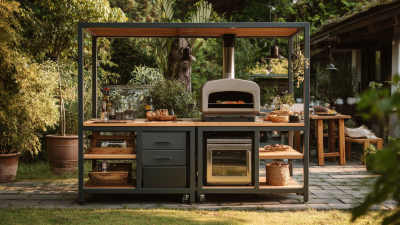
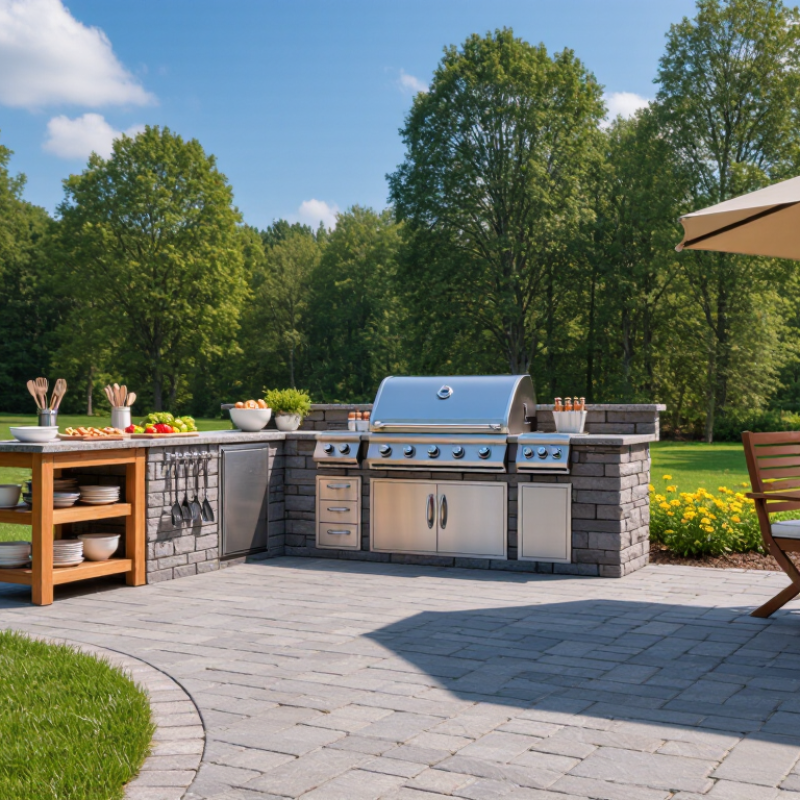
An outdoor grill station is a dedicated cooking area built around a grill, with useful surfaces and storage close by. It can be a simple cart with a side shelf or a fixed counter with drawers and space for food preparation. The goal is practical: keep tools, plates, and ingredients within reach without crowding the cooking area. Keep it simple. A heat-resistant worktop gives you a place to set down a tray, while closed storage helps protect utensils from rain and dust. In practice, a station works best when its features match how often you cook and how much space you have.

Its position should fit the backyard, not just the view. Leave clear room around the grill, and keep it away from overhanging branches, fences, and busy walkways. A spot near the patio can make serving easier, but smoke and wind may affect nearby seating. Small yards need careful planning. A compact mobile station can be moved when guests arrive or the weather shifts. Consider the ground, too: a level, stable surface makes cooking safer and cleaning less awkward. Shade can help on hot afternoons, though a covered structure must allow proper ventilation. It is not always elegant. I still think a station can look attractive and be slightly inconvenient if storage doors open into a narrow path.

Key Factors for Choosing a Grill Station

A useful grill station starts with the space, not the accessories. Measure the grill, open lid, and walking route; leave room to carry a tray without turning sideways. NFPA data recorded an average of 11,421 home fires involving grills, hibachis, or barbecues each year from 2017 to 2021. NFPA recommends keeping grills at least three feet from siding, deck rails, and eaves. That clearance affects station placement. Avoid trapping the cooker in a tight corner, and check that nearby surfaces can handle heat and weather. Measure twice.

Choose a worktop with enough landing space for raw ingredients, utensils, and a clean serving platter. Separate raw and cooked food areas where possible; a narrow counter can make that awkward. USDA Food Safety and Inspection Service guidance sets safe minimum temperatures at 165°F for poultry, 160°F for ground meat, and 145°F for whole cuts, followed by a three-minute rest. A thermometer needs a reachable, dry storage spot. Consider storage, too: enclosed cabinets protect tools from rain, but only if they drain and ventilate well. Wheels help on uneven patios, though a heavy station may be steadier without them. I’d still sketch the setup at full scale with tape before buying; measurements on paper can hide a surprisingly cramped corner.

Ten Grill Station Styles for Different Backyard Needs

Ten Grill Station Styles for Different Backyard Needs

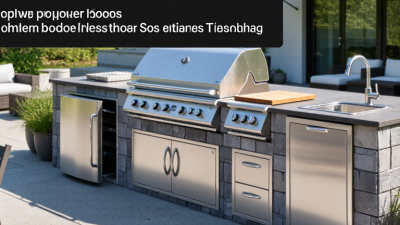
A built-in masonry station suits a permanent patio and offers sturdy counter space. A freestanding cart works for smaller yards and can be moved when needed. Modular stations let you add storage or prep space over time. An island layout creates a social hub, while a compact corner station makes better use of a narrow yard. Each needs enough clearance for safe cooking and comfortable movement.

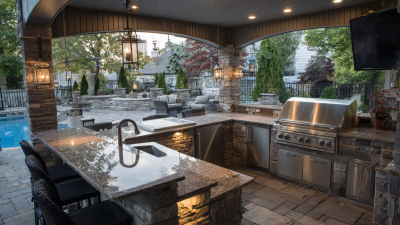
A covered station can offer shade, but the grill must meet the shelter’s ventilation and clearance requirements. A kamado-focused setup needs a stable base for its heavy ceramic cooker. A prep-first station gives chopping and serving room priority. A mobile station suits changing layouts, and an accessible design can include lowered counters and clear approach space. A polished plan can still feel cramped once chairs and open cabinet doors enter the picture.

Tips: Measure the grill, walking paths, and storage before buying. Keep heat away from walls and overhanging branches. Check the grill manual for spacing guidance. Some layouts look less impressive on paper, but work better on busy evenings.

Materials, Features, and Layouts to Compare

A strong grill station starts with materials suited to your weather, not just a polished showroom look. Stainless steel resists corrosion, but grade and exposure matter near salty air. Powder-coated steel can look crisp, though chipped edges may need attention. Stone and masonry feel substantial; they also add weight and make later layout changes harder. HPBA’s 2023 State of the Barbecue Industry report says 80% of U.S. households own a grill or smoker, so a station should support more than occasional cooking. Think about a heat-safe landing surface, covered storage, and a sink only if plumbing is practical. Small details count.

Layout often matters more than extra features. A straight run suits narrow patios, while an L-shape separates hot cooking from chopping and serving. An island invites conversation, but can crowd a modest yard. Measure the grill lid’s full swing, door openings, and walking routes before choosing. Leave clearances required by the grill maker, especially near walls and overhead structures. Put prep space beside the cooking zone, not across the patio. A nearby bin helps, too. I would rethink any plan that places the refrigerator far from the counter; the extra steps become annoying fast. Compare storage depth, weather protection, lighting, and access to utilities, then check whether each feature earns its footprint.

10 Outdoor Grill Station Layouts: Typical Planning Footprints

Compare example overall width and depth for common backyard station layouts. Measurements are representative planning dimensions in inches, not fixed standards; actual footprints depend on appliance specifications and site conditions.

Allow additional room for safe clearances, access, and circulation. Confirm dimensions with the appliance installation instructions and local requirements before building.

Installation, Safety, and Routine Maintenance

A well-planned grill station starts with its location, not its countertop. Choose a firm, level surface that drains after rain. Keep the grill away from doors, overhanging branches, and dry plants. Follow the appliance maker’s clearance instructions; heat can damage siding even when flames look contained. For gas or electrical connections, use a qualified professional and check every fitting before the first cook. Don’t guess. A slightly awkward layout is better than a cramped, unsafe one.

Tips: Measure the grill with its lid open. Keep a clear path to the house and a suitable fire extinguisher nearby. Check that cabinets and work surfaces are rated for outdoor exposure. Recheck clearances after adding screens, shade structures, or storage. Small changes matter.

Let the grill cool fully before cleaning. Brush grates, empty grease trays, and wipe spills before residue hardens. Grease buildup can flare unexpectedly. Inspect hoses, connections, burners, and fasteners regularly; look for cracks, corrosion, blocked ports, or loose parts. Store tools dry, and cover the station only when it is cool and dry. After storms or long periods without use, take another careful look. Maintenance is easy to postpone, and that is usually when small problems become costly.

10 Best Outdoor Grill Stations for Every Backyard - Installation, Safety, and Routine Maintenance

Grill Station Type Best For Typical Unit Footprint Installation Considerations Key Safety Practices Routine Maintenance
Built-In Gas Island A permanent outdoor kitchen with counter space and storage. Grill head commonly spans about 30–42 inches; the complete island varies by layout. Use a grill designed for built-in installation. Provide the ventilation, noncombustible enclosure, gas connection, and clearances specified in its installation instructions. Have fixed gas work completed by a qualified professional. Keep required clearances from combustible walls, roof overhangs, and other materials. Check connections for leaks using an approved method; never use a flame to test for leaks. Clean cooking grates and grease trays regularly. Inspect the burner, ignition system, gas hose or piping, and ventilation openings before the cooking season.
Freestanding Gas Cart Station Flexible layouts and households that want a movable grill with side shelves. Often about 24–60 inches wide, depending on the grill and cart. Place on a stable, level, heat-resistant surface. Connect a propane cylinder or natural-gas supply only as specified for the grill; do not convert fuel types unless the grill is designed for conversion. Use outdoors only. Keep the propane cylinder upright and away from excessive heat. Close the cylinder valve when the grill is not in use. Brush grates after cooking, remove grease buildup, and check hoses and connections for wear, cracking, or leaks. Store or cover the grill only when it is cool and dry.
Charcoal Kettle Station Small patios or yards where a simple charcoal setup is preferred. The kettle is commonly about 18–26 inches in diameter; allow additional room for safe access. Set the grill on a firm, noncombustible surface. A nearby heat-resistant side table can provide a place for utensils and food without crowding the cooking area. Use outdoors only, away from enclosed spaces. Never use gasoline or other unapproved accelerants. Keep children and pets away from the hot grill and coals. Empty ash only after it has cooled completely. Clean the cooking grate, clear ash from vents, and check the bowl, lid, legs, and handles for damage or corrosion.
Kamado-Style Ceramic Station Low-and-slow cooking, roasting, and grilling with a compact cooking footprint. The cooker is commonly about 18–30 inches wide; its heavy base may require a dedicated stand. Use a purpose-built, stable stand or cart rated for the cooker’s weight. Check that the supporting surface is level and can carry the combined weight of the cooker and stand. Open the lid carefully, especially at high temperatures, to reduce the risk of a sudden flare of heat. Keep the cooker clear of combustible materials and do not move it while hot. Remove cooled ash, keep air vents clear, and clean the grate. Inspect the gasket and ceramic body for wear or damage; avoid thermal shock from rapid temperature changes.
Pellet Grill Station Convenient temperature-controlled smoking and outdoor cooking. Often about 24–36 inches wide, excluding shelves and clearance space. Position near a suitable outdoor electrical outlet and protect the connection as directed by the instructions. Keep the hopper and grill dry, and allow room for the exhaust and service access. Use outdoors only. Keep the exhaust unobstructed, manage grease to reduce fire risk, and unplug the grill before cleaning electrical components. Remove ash from the fire pot, clean grease channels and the drip tray, and check the temperature probe. Store pellets dry and inspect the power cord for damage.
Flat-Top Griddle Station Cooking foods such as vegetables, eggs, and chopped or thinly sliced items. Cooking surfaces commonly range from about 22–36 inches wide. Choose a stable outdoor location with enough room for the cooking surface, side shelves, and access to its fuel supply. Follow the manufacturer’s setup instructions for propane or natural gas. Keep grease away from open flames and empty the grease collection system safely. Use suitable utensils and heat-resistant gloves when handling hot surfaces. Clean the surface after use as directed and maintain its seasoning if required. Empty the grease cup when cool and inspect burners, hoses, and ignition components.
Portable Tabletop Grill Station Compact outdoor spaces, camping areas where permitted, or occasional cooking. Commonly about 12–24 inches wide; the stand or table adds to the total footprint. Place on a sturdy, level, heat-resistant surface. Use only the fuel and compatible connections specified for the particular grill. Do not use in a tent, garage, vehicle, or other enclosed space. Confirm that local rules allow grilling in the chosen area, especially on shared balconies. Clean the grate and interior after the grill has cooled. Check fuel connections and fasteners, and transport or store the unit only when fully cool.
Outdoor Electric Grill Station Locations where electric cooking is preferred or open flames are restricted. Often about 18–36 inches wide, depending on whether it is tabletop or cart-mounted. Use a model rated for outdoor use and connect it as instructed. Keep plugs and connections protected from water; use an appropriate outdoor outlet and circuit. Do not use an indoor appliance outdoors. Keep the grill and electrical connections away from standing water, and disconnect power before cleaning. Clean the cooking surface and grease tray when cool. Inspect the cord, plug, controls, and housing for damage, and keep the unit dry when stored.
Modular Masonry Island A built-in look with durable counter space and a layout tailored to the yard. Overall size varies; compact layouts may start around 6 feet long, with larger installations requiring more space. Plan the foundation, drainage, utility routes, ventilation, and access panels before construction. Use outdoor-rated materials and have gas and electrical work completed in accordance with local requirements. Follow the grill’s required clearances even when it is surrounded by masonry. Ensure enclosed compartments are ventilated as specified for the installed appliance. Clean counters and cooking components with materials suitable for their surfaces. Inspect joints, drainage, access panels, gas connections, and electrical fittings periodically.
Compact Balcony Grill Station Small outdoor areas where grilling is permitted by building rules and local regulations. Usually a compact tabletop or narrow-cart setup, about 12–24 inches wide. Check lease, building, fire-safety, and local rules before choosing a grill. Select only a grill and fuel type expressly permitted for the location. Never assume a balcony is suitable for grilling. Keep the grill away from railings, siding, furniture, and overhead materials; do not leave it unattended. Remove grease and food residue after use, check the surface beneath the grill for heat damage, and store fuel and accessories only as allowed by applicable rules.

Planning note: Footprints are approximate dimensions of the grill or cooker, not required safety clearances. Confirm the appliance instructions, local codes, fire regulations, and property rules before installation or use.

Stay Connected

Sign up today to keep up with the newest information from one of the Southeast’s leading suppliers of fluid handling equipment!